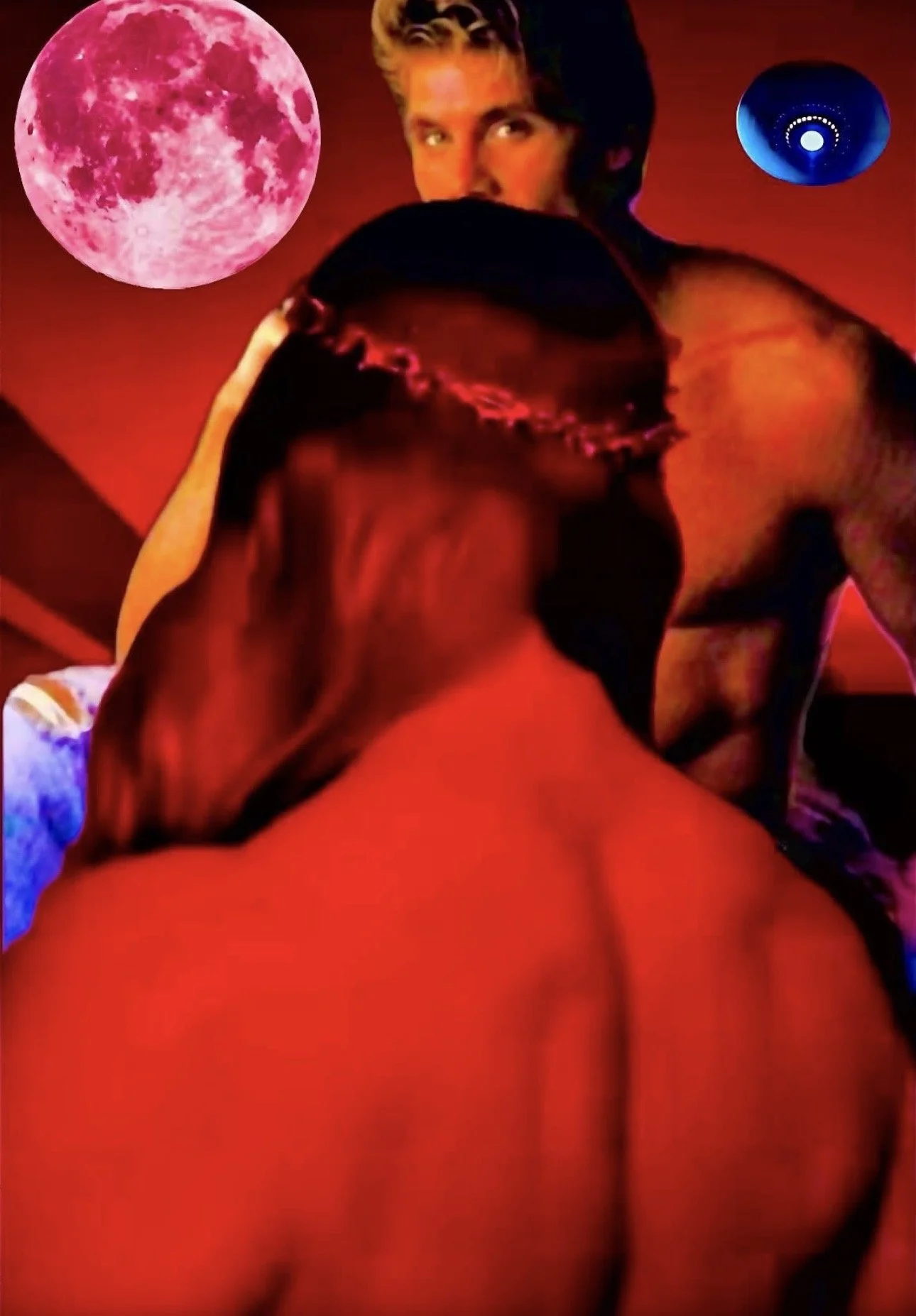
Incline

Inclination is Flattening

Digital Photocollage

2026

The inclination to love is natural, unwavering. It moves beyond calculation — an impulse, a natural act of self preservation and self actualization combined. It is the foundation of civilization, of romantic love, the giving of oneself to another. It is what makes us human.

For gay men, while this impulse is no less real, no less urgent, no less necessary, the obstacles set in place by an intolerant dominant culture to flatten it are formidable. A complex system of strategies — social, political, religious, cultural — designed to keep gay men separate and silent. Alone. This is what happens when inclination is flattened. It will not hold.

On Dinner Etiquette

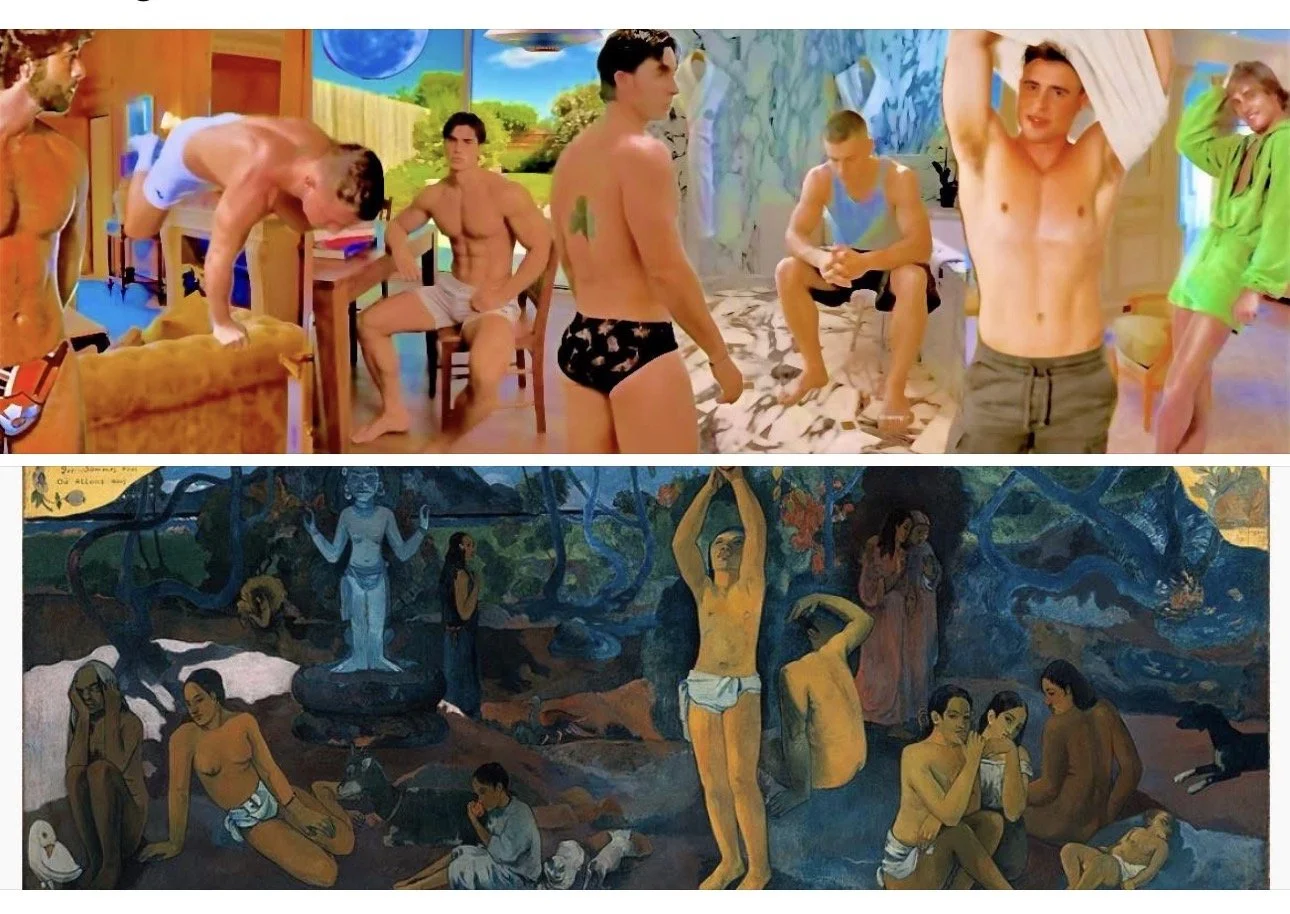
Where Do We Come From? What Are We? Where Are We Going?

Gauguin, 1898

Where Do We Come From? What Are We Having For Dinner?

Behan, 2026

Paul Gauguin sailed to Tahiti in 1891 convinced he could recover something primal and uncorrupted — that he could arrive in another culture, look at its people, and understand them. His monumental 1898 painting arranges bodies along a long horizontal plane, figures at rest and in motion, asking the largest questions a human being can ask: where do we come from, what are we, where are we going. It is a magnificent painting and a deeply complicated one. Gauguin was the outsider looking in — the Western eye trained on an “other” culture, certain of its own capacity to comprehend what it was seeing. Gay culture has always known that position from the other side. They are the ones perpetually examined, explained, and theorized about by those who have never lived inside the life being described.

The horizontal arrangement found in Gauguin’s work is reflected in Behan’s collage — gay men spread across a sun-drenched domestic interior landscape, going about the vivid, ordinary business of living — reading, exercising, dressing, existing —bodies serving as the argument. Behan’s collage argues the working out of the everyday is the answer to the cosmic questions humans like to ask, and it turns out the answer almost always includes “what do you want for dinner?”

Humor is not a retreat from seriousness. It is one of the most serious responses available to a human being. To laugh at our own fragility — at the gap between the questions we ask and the lives we actually live — is to hold both things at once without being destroyed by either. It is, finally, a form of hope. Cindy Sherman has described seeing humor in almost everything, treating her work as a one-person mischievous show. Her clown series uses garish color and deliberate artifice to expose the fabricated nature of social roles not to mock but to liberate. When the construction is exposed, we are free to laugh at it. And when we laugh at it, we are free.

Gauguin asked where we are going. Sherman shows us the costume we are wearing while we figure it out. The Closet Series suggests we stop and have a bite first.

Beauty

Terrible Beauty | Digital Photo Collage | 2026 | Gay Domestic | The Subdivision

Yeats described Ireland as a terrible beauty being born — a nation finally free, but having never known freedom, uncertain how to inhabit it.

For gay men, the cost of freedom is leaving behind the closet for good. Not as easy as one might think.

One hundred years on from independence, Ireland has made those choices with remarkable clarity.

Same-sex activity was decriminalized in 1993. In 2015 Ireland became the first country in the world to legalize same-sex marriage by popular referendum — not by courts, but by the people. Marriage equality is now constitutionally protected. Discrimination based on sexual orientation is explicitly outlawed. Dublin, Cork, and Galway boast vibrant LGBTQ+ communities.

Ireland went from one of Europe’s most socially conservative Catholic nations to one of its most progressive within a single generation.

A terrible beauty indeed. Fully realized, reborn.

3 THREE III

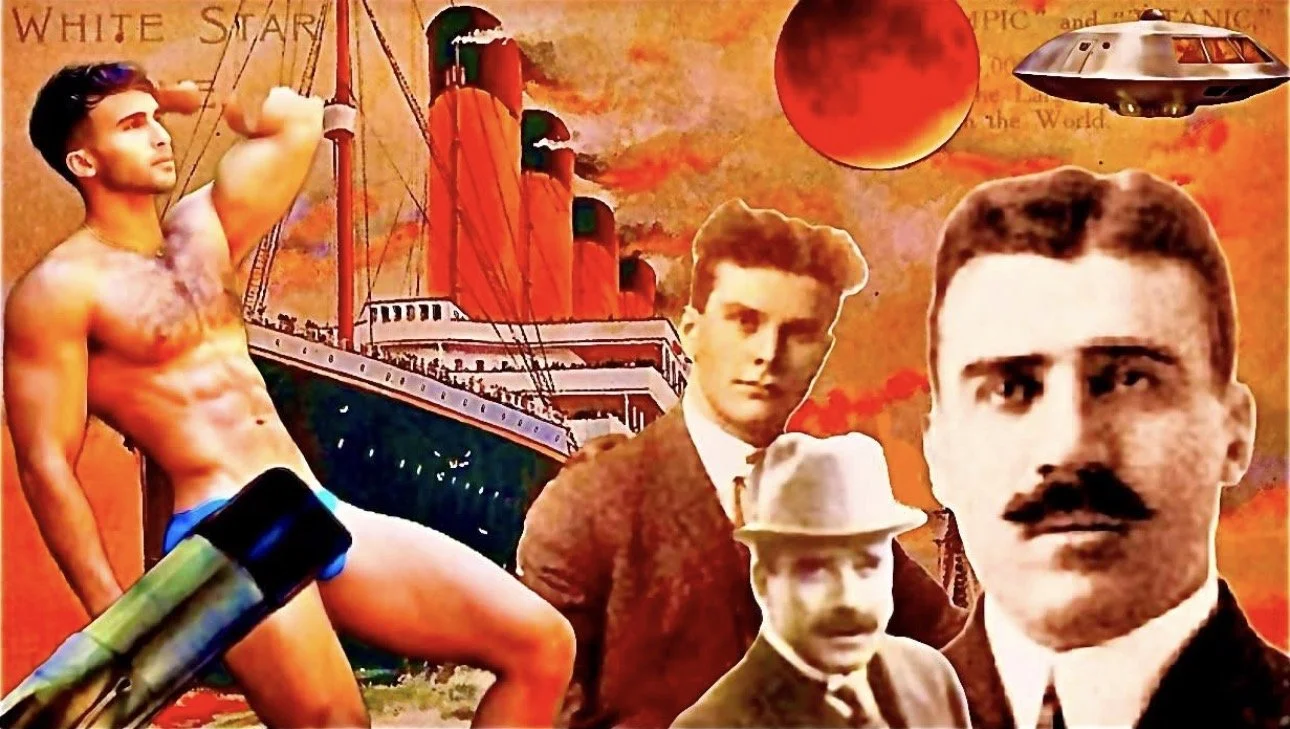
The Three Musketeers | Digital Photo Collage | 2026 | The Closet | The Subdivision

Thomson Beattie. Thomas McCaffry. John Hugo Ross.

Three wealthy Canadians, confirmed bachelors, constant companions, and bon vivants.

They traveled the world together — Italy, Egypt, North Africa, the Aegean. They dressed alike. They were mistaken for brothers. The Winnipeg Free Press called them inseparable. They shared cabin C-6 on the Titanic. All three lost in the April 15, 1912 sinking.

LGBTQ+ historians widely believe today they were much more than friends. But labels like “gay” weren’t spoken in 1912. They lived as honestly and as authentically as the constructs of Edwardian society would allow.

Who can blame them? Not the Subdivision.

On Percentage

Interrupted Lives, Interrupted Voyage | Digital Photo Collage | 2026

Historians estimate that between 110 and 220 of the roughly 2,200 people aboard the Titanic would have had same-sex attractions. We know seven names.

Frank Millet, American painter. Major Archibald Butt, military aide to two American presidents. They shared a house for years and are widely believed to have been romantically involved.

Ella Holmes White and Marie Grice Young, who shared First Class stateroom C-32 and lived their lives together.

Thomson Beattie, Thomas McCaffry, and John Hugo Ross — the Three Musketeers of Winnipeg, bon vivants, possible Edwardian throuple, inseparable to the end.

All lost. April 15, 1912.

Because coming out in the modern sense was not an option in 1912 for legal reasons alone, biographical details are the only clues history left us.

Seven names.

Hundreds of stories we will never know.

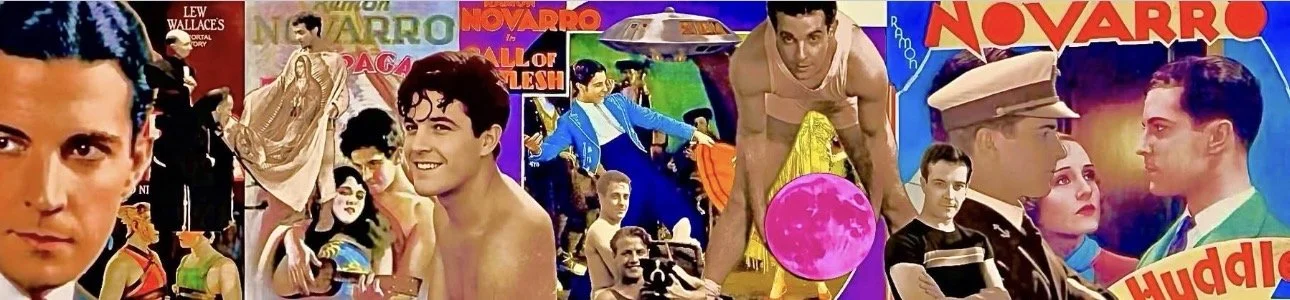
Ramón

Yes, Silent Film Star Ramón Novarro and Argentine Olympic Swimmer José Caraballo Were Lovers in the 1930s | Digital Photo Collage | 2026

Ramón Novarro.

Mexican-born.

Ben-Hur.

Hollywood’s Latin Lover.

One of the most handsome and highest paid Hollywood stars of the 1920s and 1930s.

Gay his entire life. In the closet his entire life.

MGM marketed him as a straight romantic lead while studio executives privately knew the truth. He struggled to reconcile his sexuality with his devout Catholic faith and the brutal homophobia of his era.

In 1934 he met José Caraballo, a 19-year-old Argentine Olympic swimmer, in Buenos Aires and brought him back to California. They were lovers for a year and a half. He cast José as the lead in his 1935 film Contra la corriente.

Then they parted.

That contradiction — a life lived fully in private, carefully erased in public — defined everything. His hidden life coming into the light only at the very end thru antigay violence.

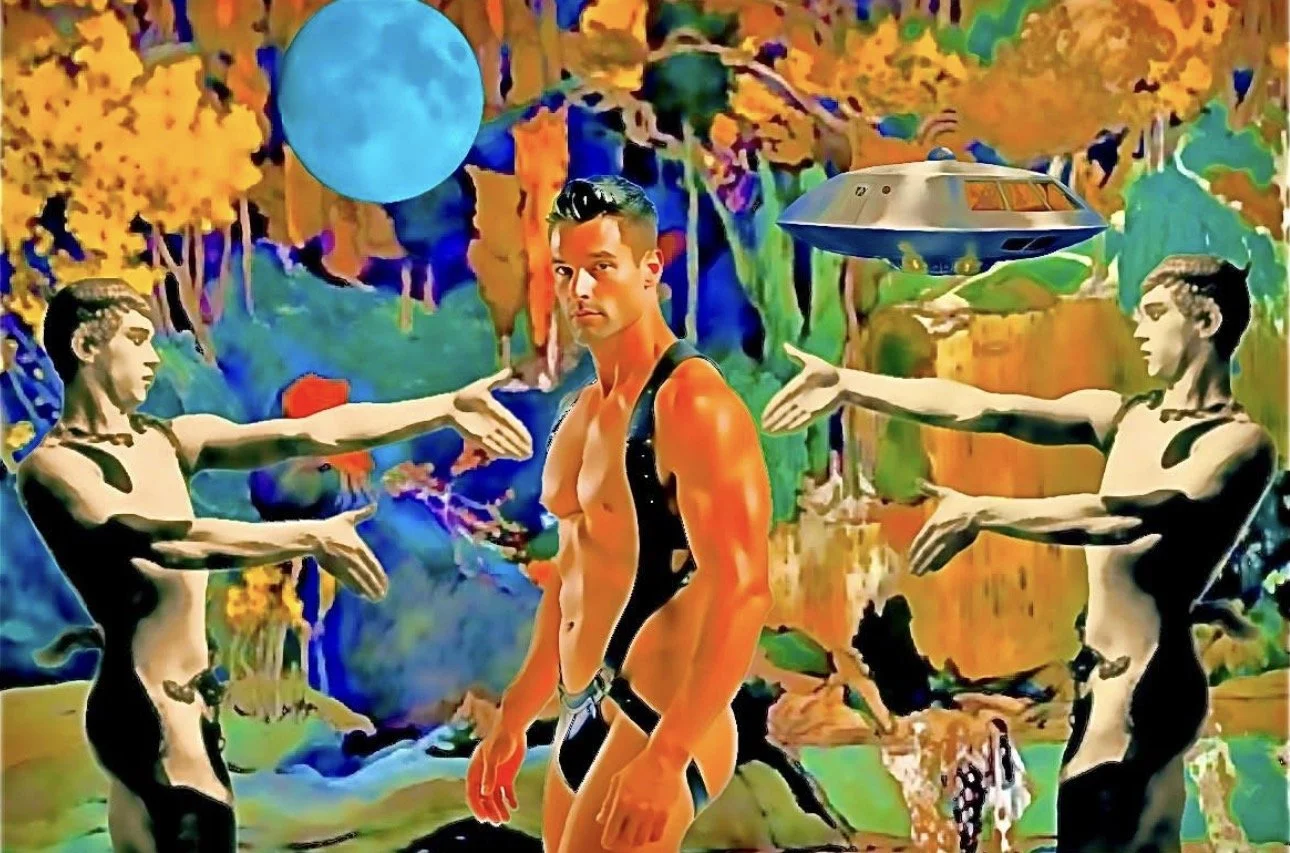
Prelude

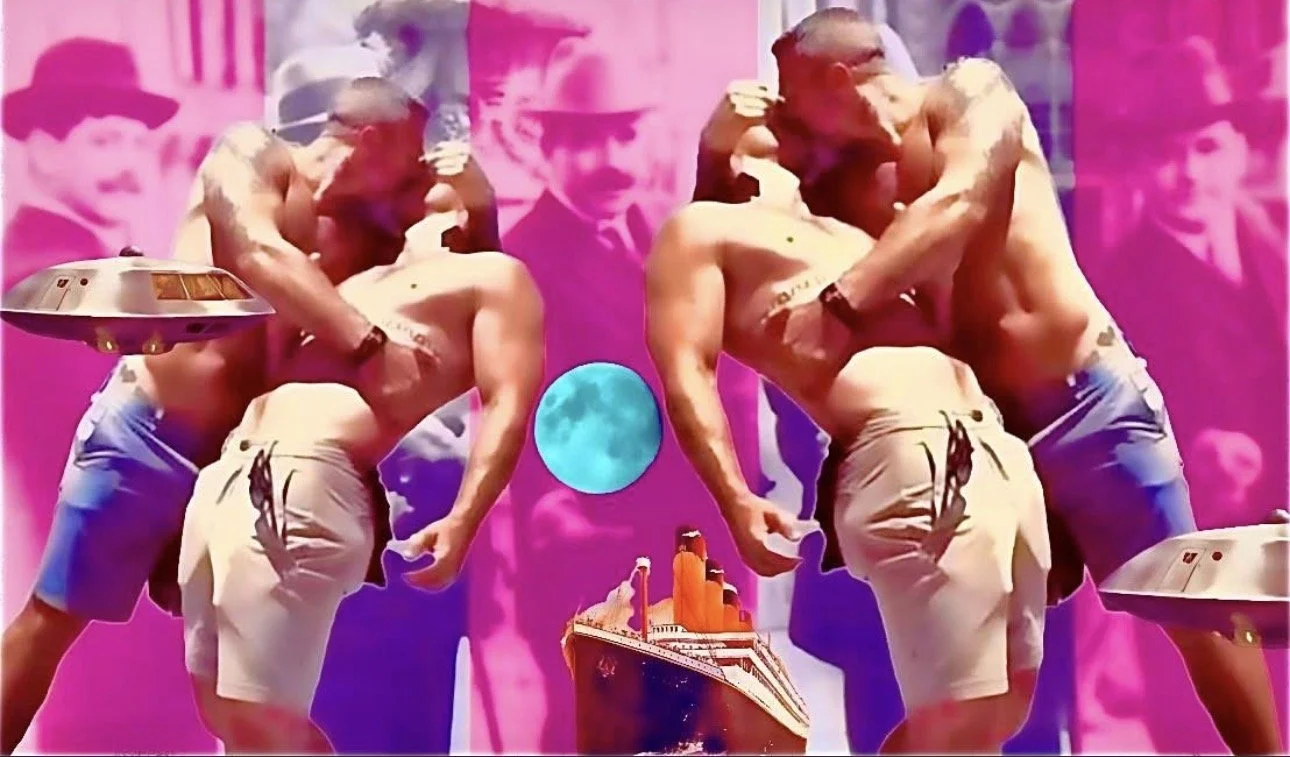
Prelude to the Afternoon of a Faun | Digital Photo Collage | 2026 | The Closet | The Subdivision

In 1912 Vaslav Nijinsky choreographed and performed Prélude à l’après-midi d’un faune for the Ballets Russes, causing an international scandal with its frank, unapologetic sensuality.

Nijinsky was bisexual. His lover and patron was Sergei Diaghilev, director of the Ballets Russes.

The desire was always there. Everyone saw it. Nobody named it.

The fauns in this collage are Nijinsky himself — his own image from the original 1912 production, doubled, reaching from across 113 years toward a man from 2025, against the original ballet’s backdrop.

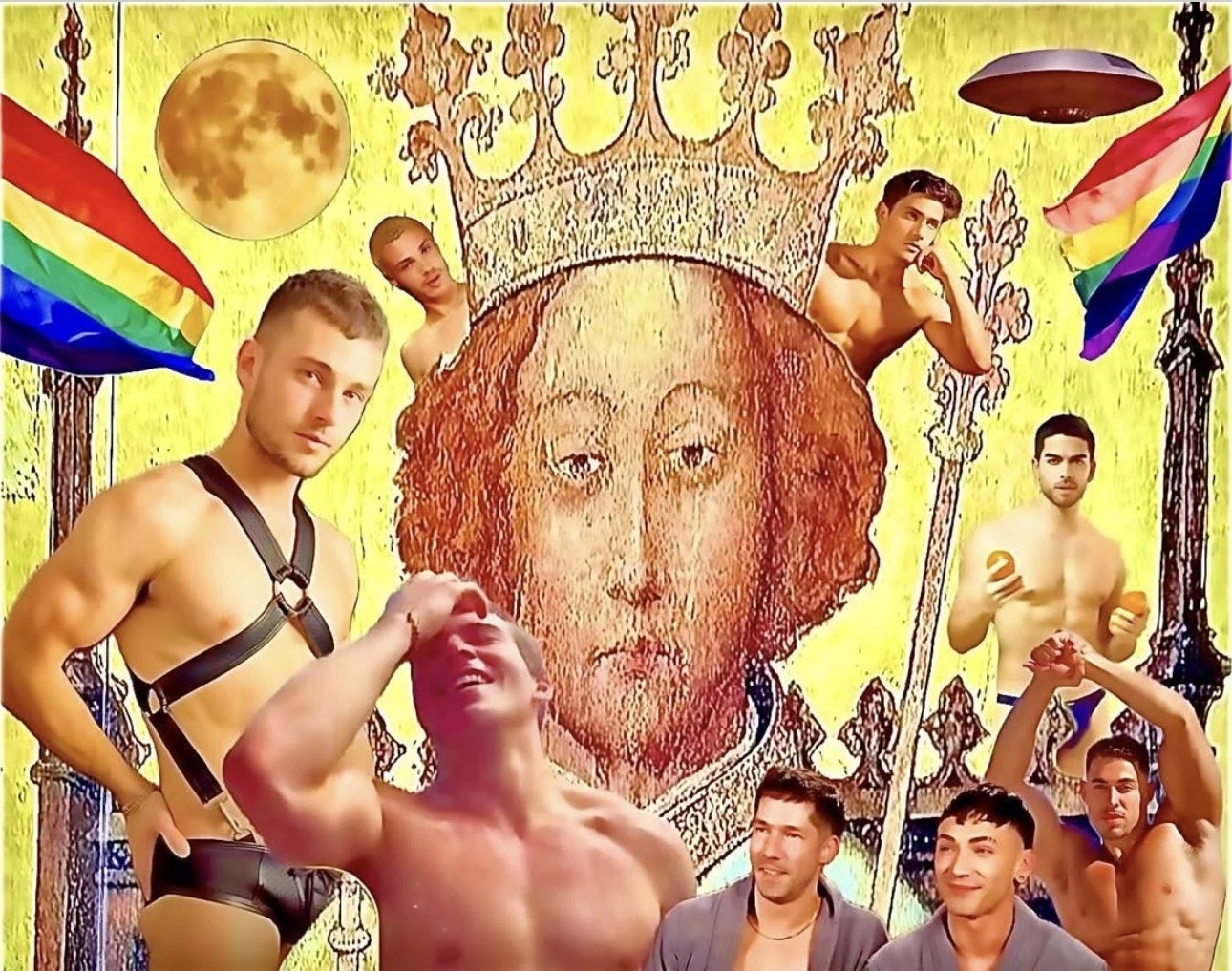
The Crown

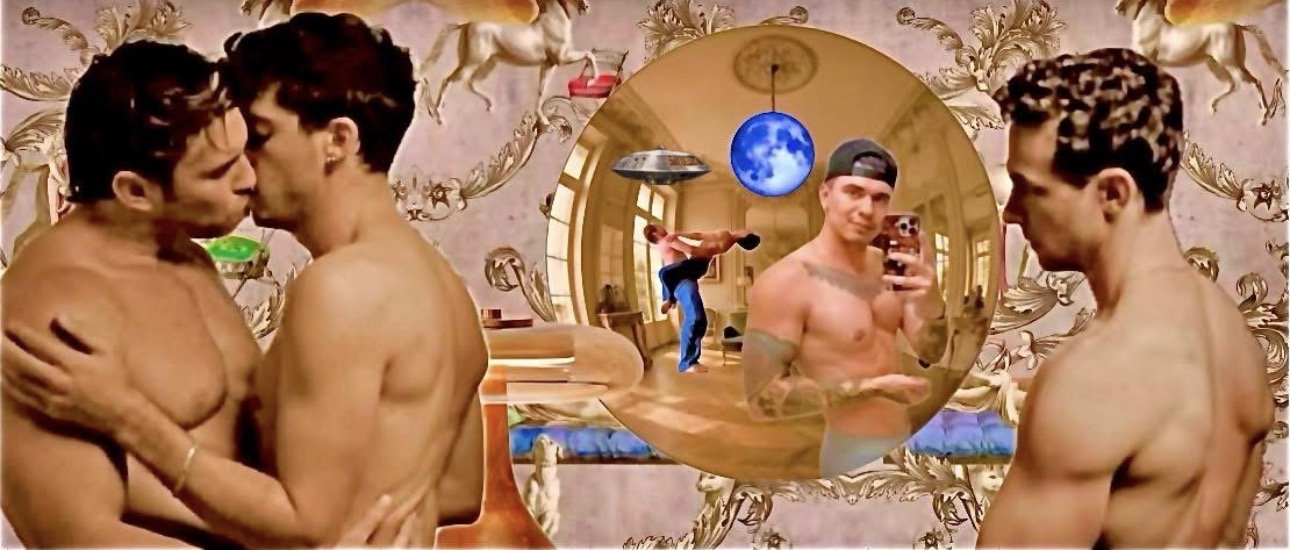
Crown | Digital Photo Collage | 2026 | Gay Domestic | The Subdivision

Marriage is the crowning achievement of humanity — the triumph of partnership, the art of long conversation, the continuous practice of choosing each other.

Gay people have always known this.

Gays didn’t fight for the right to marry because it was convenient. Gays fought for it because they understood its value.

The crown belongs to all.

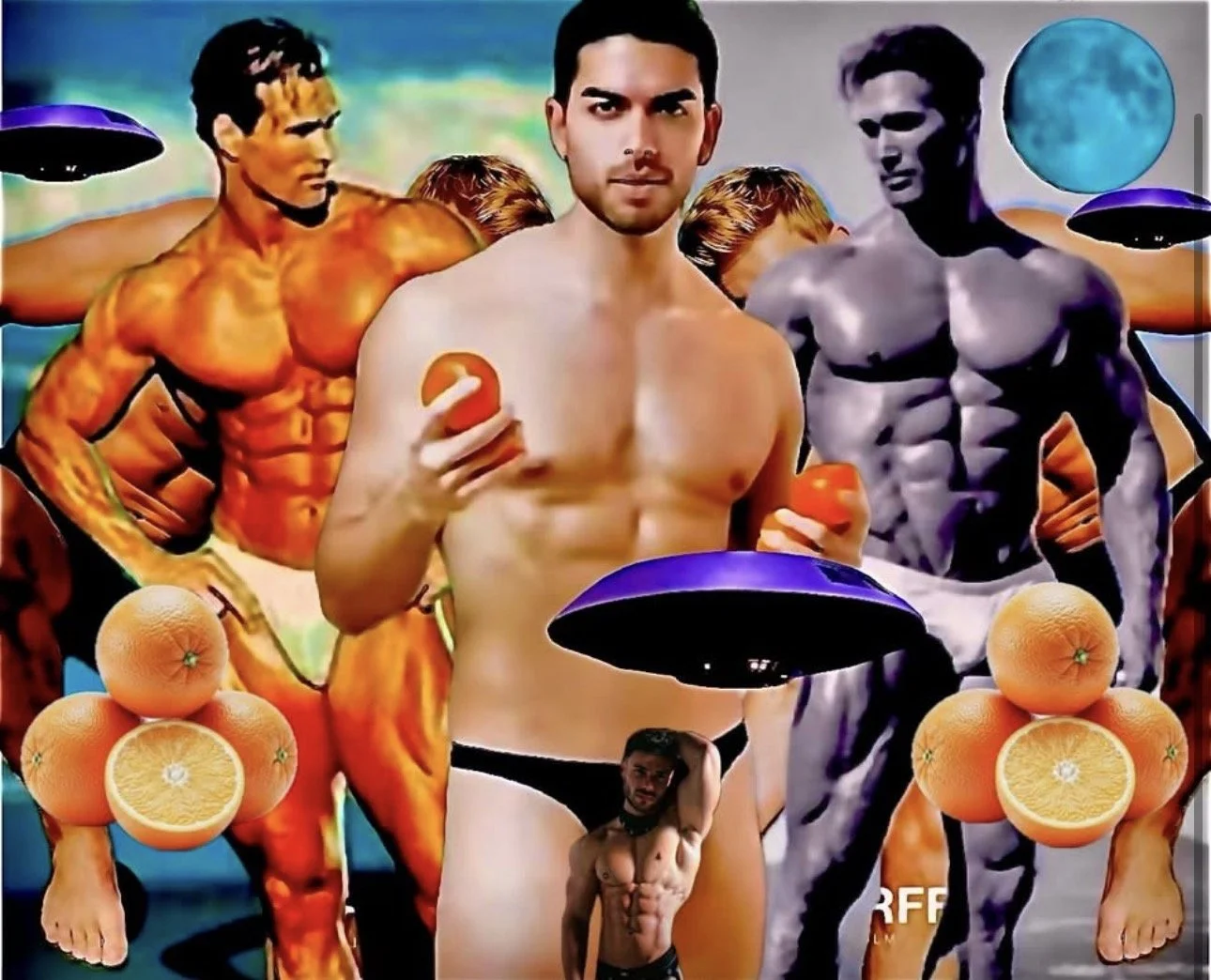
Orange You Glad

Orange You Glad | Digital Photo Collage | 2026 | The Closet Series — Behan |

Married adults live 1.5 to 2 years longer than their unmarried peers.

Married men have a 46% lower rate of cardiovascular death.

Married individuals engage in preventive care at higher rates than unmarried adults.

Married adults report shorter hospital stays, fewer doctor visits, and less need for nursing home care.

Married adults are 16 percentage points more likely to rate their lives as thriving.

Millennial and Gen Z married adults report 15-16% better mental health than their single counterparts.

The science is not ambiguous — marriage is good for you.

That is why it should belong to everyone.

Perfect

Perfect Fit | Digital Photo Collage | 2026 | The Closet | The Subdivision

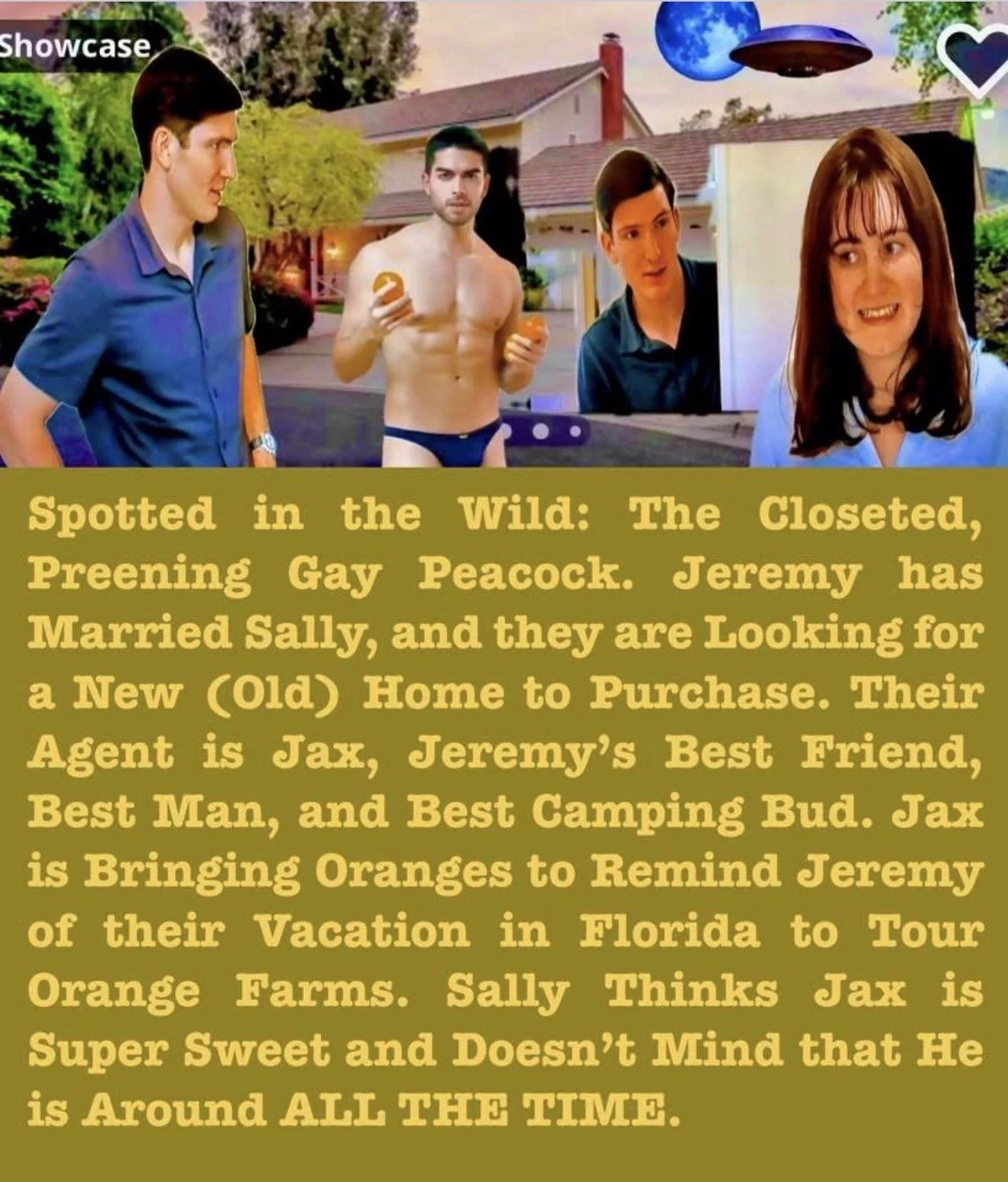
Spotted in the Wild:

The Closeted, Preening Gay Peacock. Jeremy has Married Sally, and they are Looking for a New (Old) Home to Purchase.

Their Agent is Jax, Jeremy’s Best Friend, Best Man, and Best Camping Bud. Jax is Bringing Oranges to Remind Jeremy of their Vacation in Florida to Tour Orange Farms.

Sally Thinks Jax is Super Sweet and Doesn’t Mind that He is Around ALL THE TIME.

The Closet offers straight women one option.

Lots of trips to Home Goods with Jeremy and Sally. Frequent camping trips with Jeremy and Jax.

The Closet fits everyone inside its walls — with room to spare.

Dark Sepia

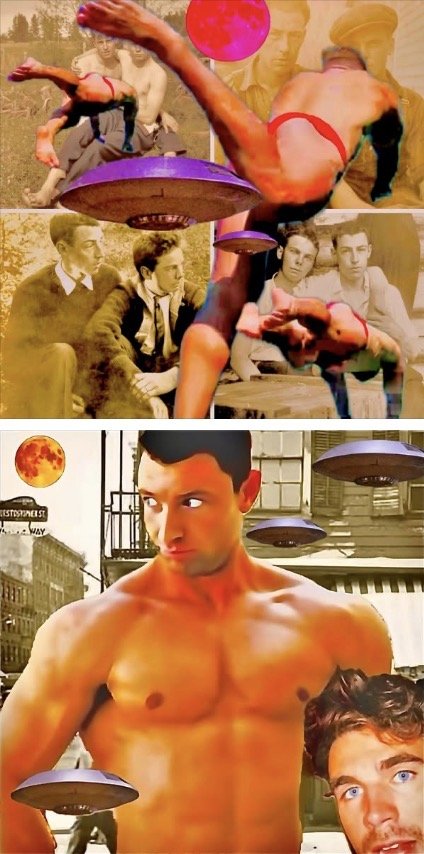
Dark Sepia | Digital Photo Collage | 2026 | The Closet Series — Behan |

“Len” Keith and “Cub” Coates of Havelock, New Brunswick. Two WWI army vets who found each other in a small rural town and built a life together.

What are the odds?

For almost 30 years, Len pointed his camera back onto themselves. Canoeing. Hunting. Hugging.

One was forced out of town.

The other married.

The photographs survive.

Beholden

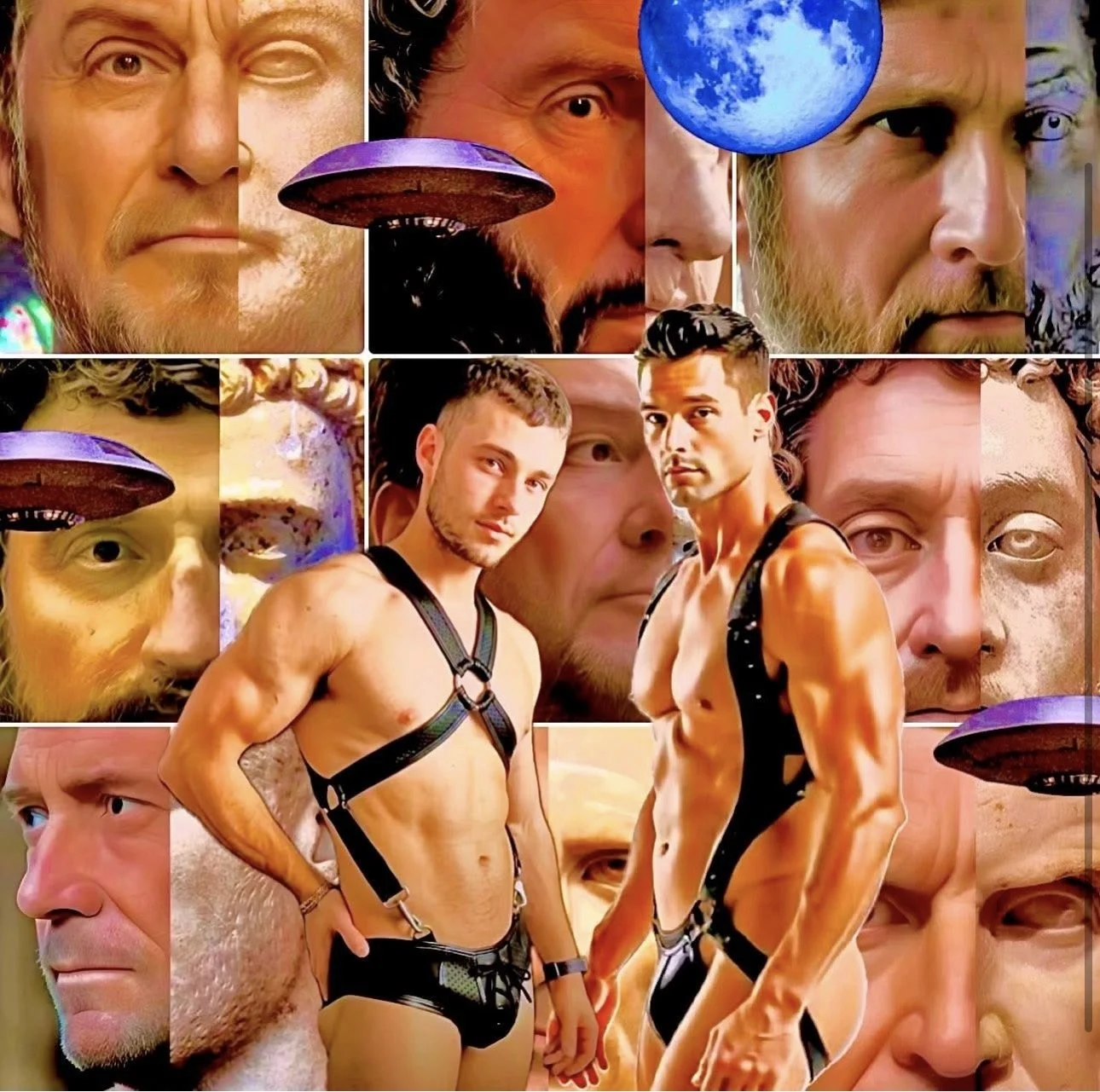
Behold the Man | Digital Photo Collage | 2026 | The Closet | The Subdivision

Behind the marble, behind the scripture, behind the press release, behind public opinion, is the man.

And that man is entirely human — gay, bi, or straight — filled with the same dreams of success, achievement, happiness, adventure, love.

As Maya Angelou said, “we are more alike, my friends, than we are unalike.”

And to quote one of the less used lines of scripture — whatever you do to the least of my brothers.

I Do, Do U?

I Do | Digital Photo Collage | 2026 | The Closet Series — Behan |

Zephyrus carries Chloris and everything resolves.

That is what marriage does. It resolves. It answers the oldest human desire — to be chosen, to be held, to belong to someone and have them belong to you.

When marriage is available, resolution is possible.

When it is withheld, nothing can fully settle.

Gay marriage is not a political position. It is the resolution of an ancient human longing.

Desire, finally answered.

Bull

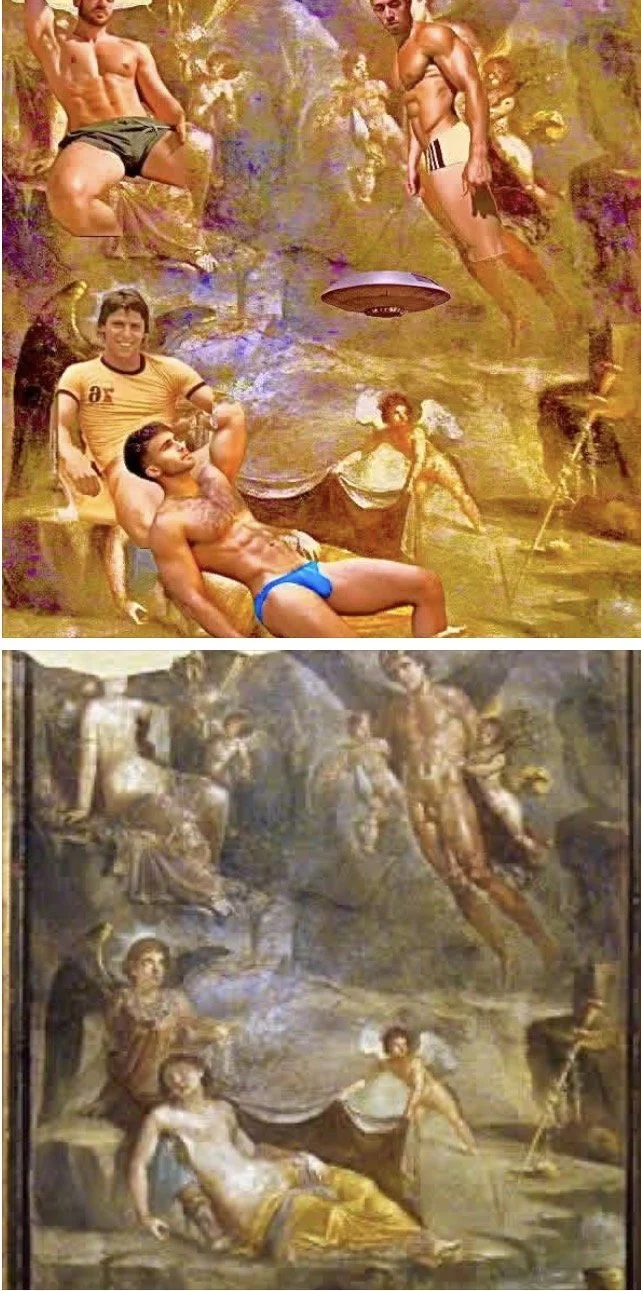
Bull | Digital Photo Collage | 2026 | The Closet Series — Behan |

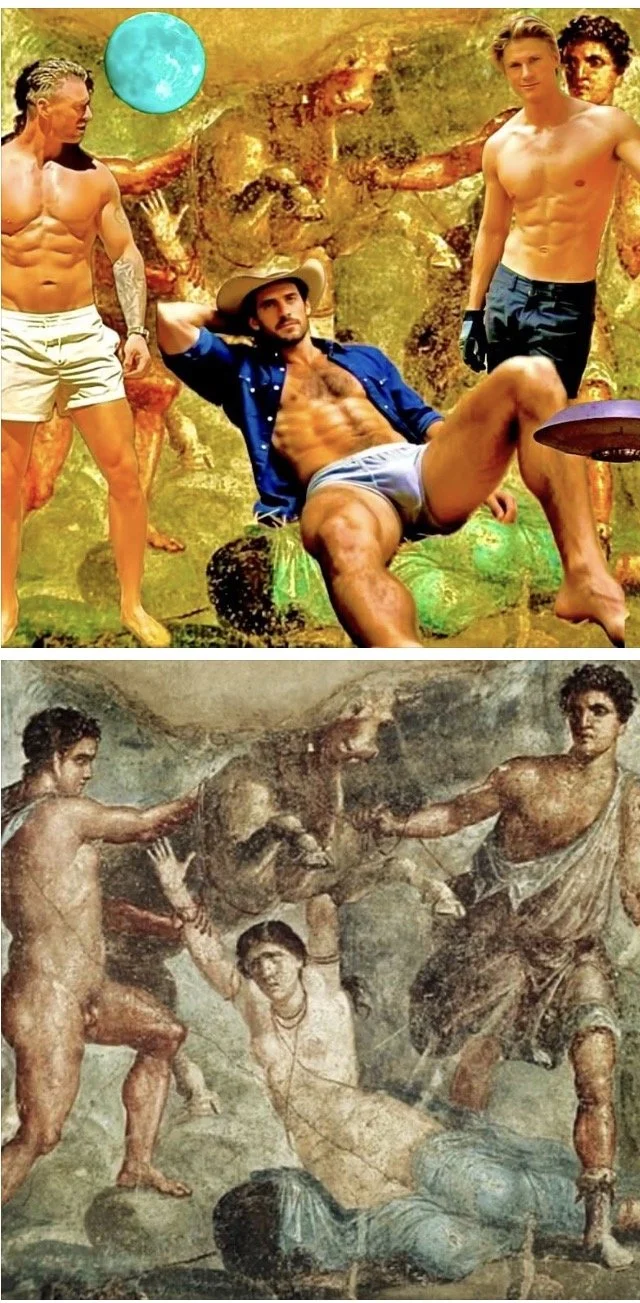
In the Pompeii Fresco, the bull was unimaginable force, and for Dirce, a reckoning. Then Vesuvius—another unimaginable force with tragic circumstances.

Two thousand years later the bull is still a force to be reckoned with. Industrialization. The iPhone. Artificial intelligence. Unimaginable force meeting the human condition, changing everything.

That is ancient.

That is now.

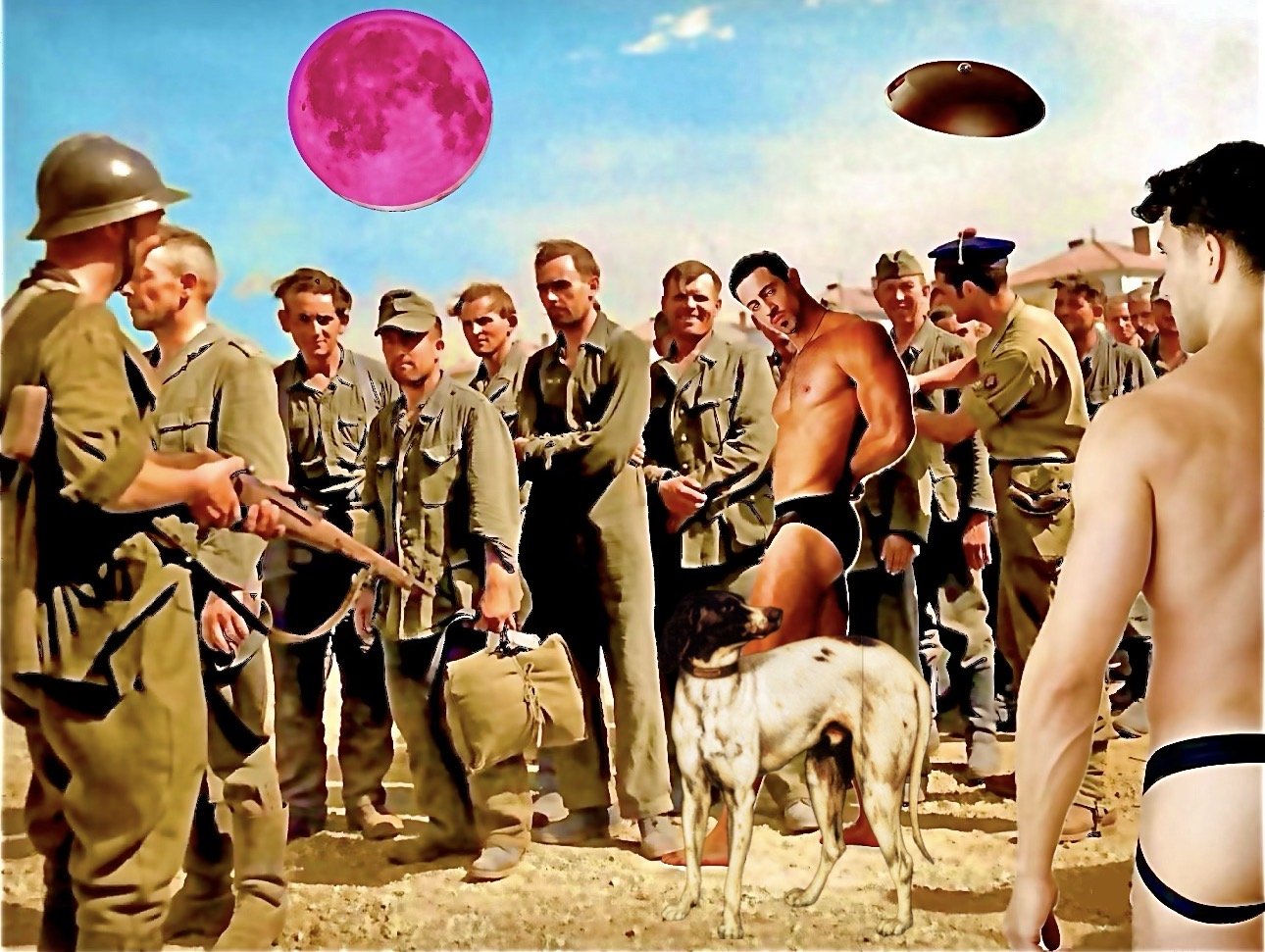
After Ornan

After Ornan | Gay Domestic | The Subdivision | Digital Photo Collage | 2026

Homage to Gustave Courbet’s “A Burial at Ornans” (1851)

Gustave Courbet painted ordinary people’s grief at monumental scale — radical in its time, insisting that ordinary lives deserved to be witnessed. The dog at the graveside. The faces of the forgotten. This work carries that tradition forward.

Gay men served in every army of every nation in every war ever fought. They served bravely, in secret, under constant threat — not only from the enemy but from their own commanding officers. In the American military alone, an estimated 650,000 to 1.6 million gay men served in World War II. Those discovered faced dishonorable discharge — stripped of benefits, healthcare, and dignity. The ones who died in battle were buried with honors they were never fully granted in life.

Here French soldiers and captured German soldiers stand together — enemies united in youth, in vulnerability, in the bodies that war would consume. Among them, hidden in plain sight on both sides of every front line, gay men who loved in secret and died without acknowledgment.

Young men. Old men’s wars.

The dog from Courbet’s graveside is here too. Still watching. Still witness to what we lose.

In the end, in every generation, we all want the same thing — to be treated with dignity and respect. Nothing more. Nothing less.

The Closet

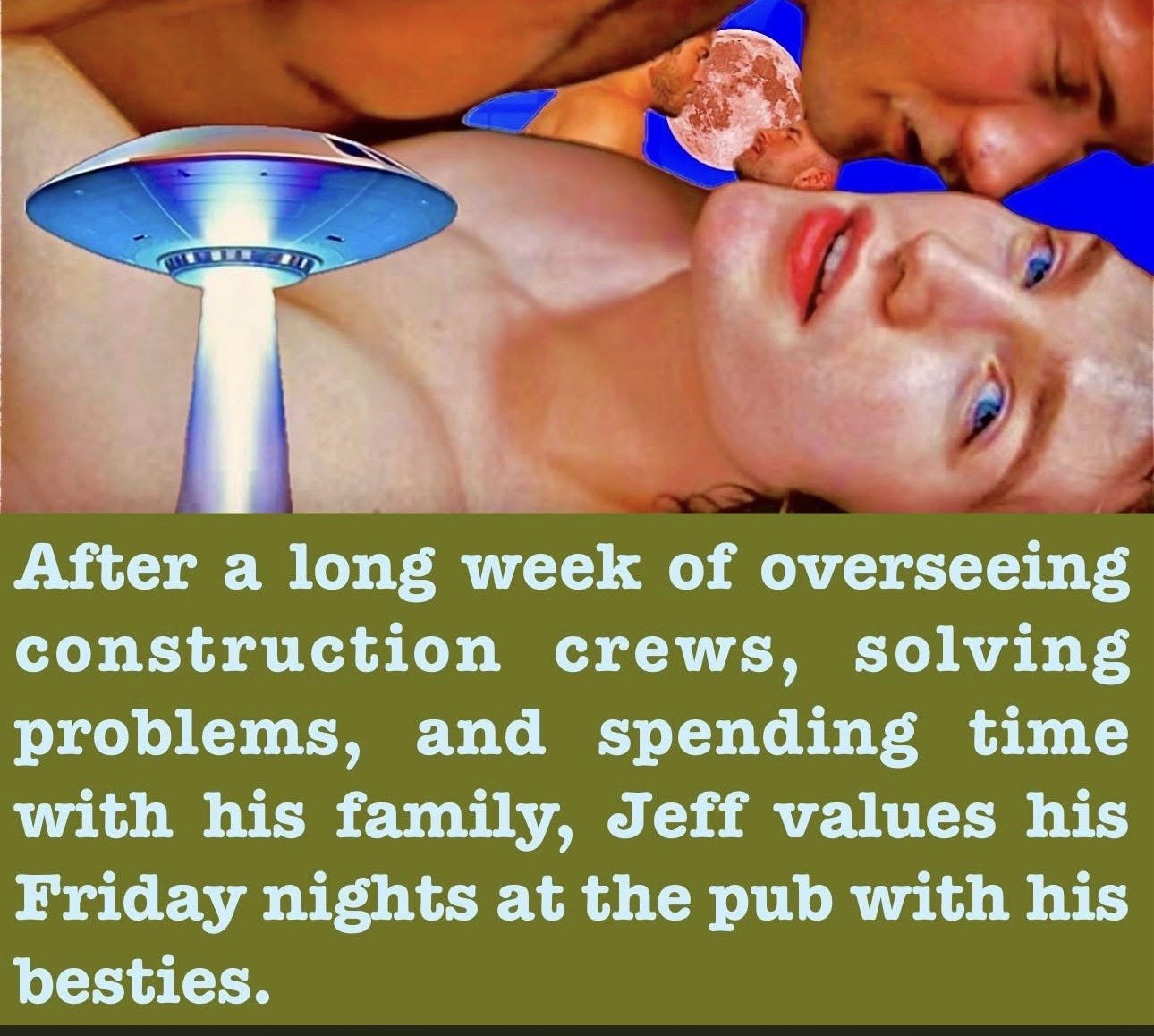
The Education of Jeffrey Wicks | The Closet | Digital Photo Collage | 2026

Jeff has never yet used the word that describes him.

He doesn’t need to.

Every Friday night at the pub he orders the same beer, laughs the loudest, stays the latest. His besties know something he hasn’t said. They stay anyway. They always stay. Jeff has that sway.

Jupiter 3 passes overhead quietly. Empathy sensors don’t require a label to recognize what’s being read. This has been recorded a thousand times across a thousand years. Some things take time.

A man becoming himself — on his own terms, in his own way, — is one of the most beautiful things in the universe.

Live

LIVE | Gay Gaze | The Subdivision | Digital Photocollage | 2026

The infrastructures of intimacy have always been contested territory.

For the first time in history gay men can be seen — fully, intimately, on their own terms — without a gatekeeper. No studio. No intermediary. No hiding.

This freedom seems total.

There’s always someone who owns the platform.

Who controls what stays visible and what gets removed? Who profits from gay desire in 2026?

When billionaires own the infrastructures of intimacy — the platforms, the algorithms, the servers — what does chosen visibility actually mean?

Is broadcasting yourself liberation? Or a new kind of isolation?

The men who fought at Stonewall fought for the right to be seen. Who decides what being seen costs now?

In 3

Trifecta

James Behan

Digital Photo Collage

2026

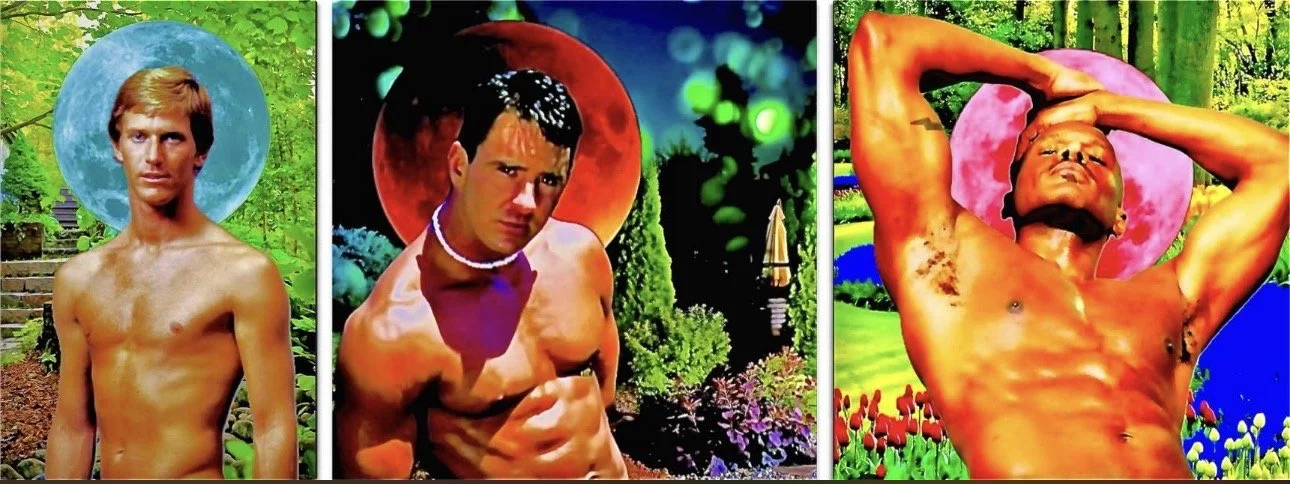
Casey Donovan • Tom Chase • Rhyheim Shabazz

1970s • 1990s • 2020s

Fifty years. Three men. One unbroken story.

This triptych from my ongoing series Stories from the Closet presents three figures from gay adult film history as what they truly are — saints, heroes, sacred presences deserving of reverence and remembrance.

Each man is crowned with the moon as halo, placed in a garden of his erar, honored as a figure of cultural significance. Because that is what they are.

Casey Donovan stepped in front of the camera in 1971 and did something that had never been done — he made gay male desire visible. Boys in the Sand was the first gay adult film to receive mainstream press coverage. In an era when gay men were criminals, Donovan said: we exist, we desire, we are beautiful. He built the foundation. He stands in Eden, in the innocent light before the storm.

Tom Chase tested HIV positive in 1989 at age 24. The diagnosis that killed an entire generation. He was supposed to disappear. Instead he built a celebrated career promoting safe sex at Falcon Studios through the 1990s, became the studio’s first lifetime exclusive model, was inducted into the GayVN Hall of Fame in 2004, and is alive today. He did not just survive. He thrived. He stands in the night garden, the blood moon burning behind him, defiant and magnificent.

Rhyheim Shabazz — the ground that was fought for has become the garden he stands in. He is the celebrant, the man whose joy is public. In 2024 he became the most watched performer in gay adult film, GayVN Performer of the Year — existing in a world transformed. The battles fought in shadow and fire have become new soil, rich with possibility — marriage, families, legal recognition. Living loud. Living forward. Living fully.

This is Queer Odysseus in three parts: forming culture, saving culture, celebrating culture, a trifecta of perseverance. The gay hero’s journey across half a century, this is what it looks like to take subtext and make it context.

Stories from the Closet is a daily practice of digital photo collage recovering, honoring, and celebrating the hidden and not-so-hidden history of gay men.

These are our saints. These are our heroes.
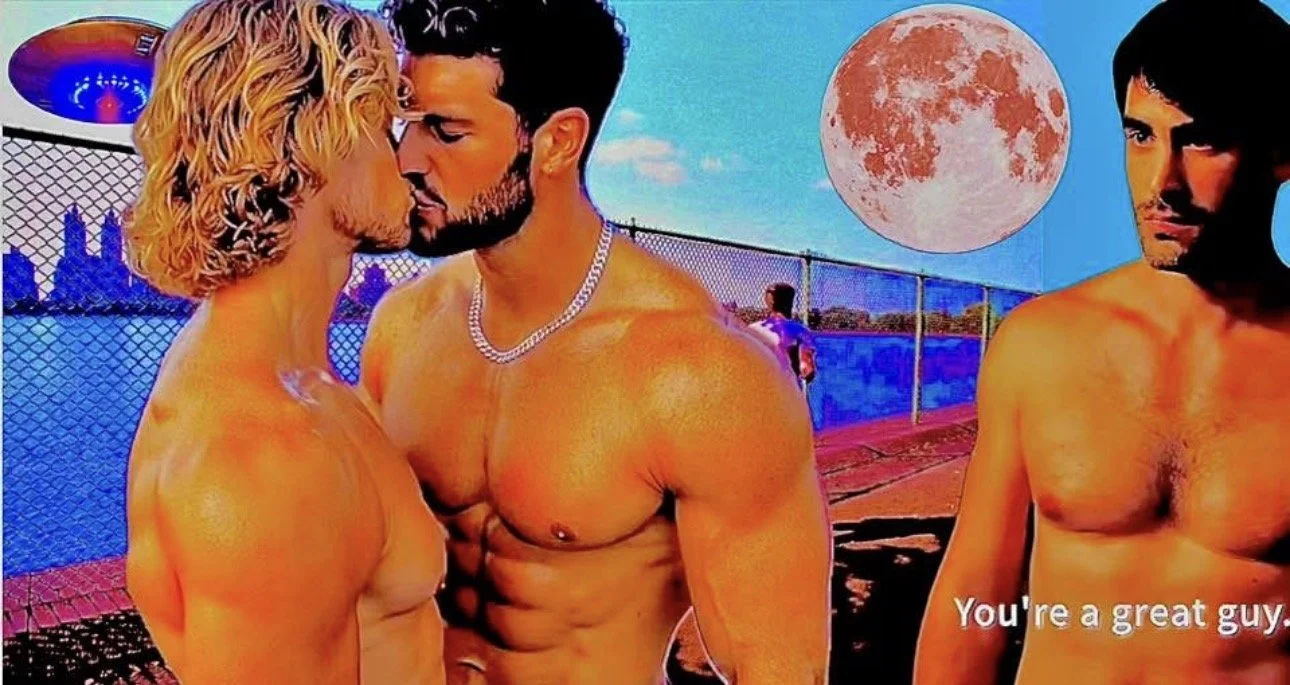
Great Guy

You’re A Great Guy | The Closet | The Subdivision | 2026 | Digital Photo Collage

Jogging paths and public parks in NYC had a well documented history as crucial queer social spaces throughout the 20th century, particularly from the 1970s through the 1990s. Central Park’s Ramble was perhaps the most famous — a densely wooded area that had been a gathering place for gay men since at least the 1950s. Riverside Park, Prospect Park, and various piers along the Hudson served similar functions.

These spaces were simultaneously joyful and dangerous. Police harassment was constant and often brutal. The AIDS crisis cast a long shadow over these gatherings through the 1980s. Yet they persisted — because for many gay men they represented the only available social and intimate space outside of bars.

Not all gay men went to bars. Many were too closeted. A jogging path offered something bars couldn’t — plausible deniability. You’re exercising. You happen to encounter someone with similar interests. You can assess attraction. You’re away from work, away from home, away from witnesses. Something might happen. Or nothing might. But the possibility existed in a way it did nowhere else.

That’s what these spaces meant. Freedom. Possibility. The chance to be yourself, however briefly.

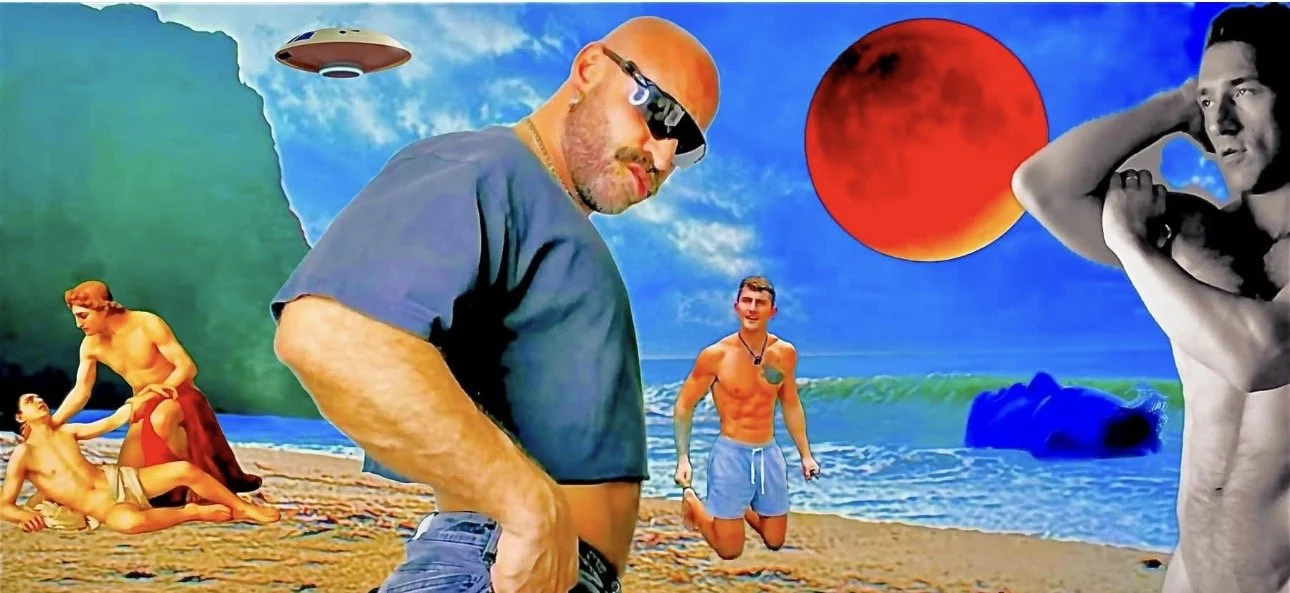
Crossing

“The CrossIng”| The Subdivision | 2026 | Digital Photo Collage

They were young.

They were beautiful.

They were taken.

The AIDS crisis did not discriminate in who it claimed — but the world discriminated deeply in how long it waited to care.

An escape that would never come. A rescue that would never arrive.