In 1970, three musicals were made for the new decade: Pufnstuf, Scrooge and Willy Wonka & the Chocolate Factory. Their storylines ended with hope and anticipation of good things to follow. The 1960s preceded with the assassinations of John F. Kennedy, Malcolm X, Martin Luther King Jr. and Robert F. Kennedy, and the new decade promised a fresh start. The films offered a talking dragon, singing ghosts and a river of chocolate, along with the promise that kindness and honesty would always be its own reward.
That promise carried a deeper meaning for one part of the audience. For gay men, these three films hold special attention. Each tells the ballad of an outcast: Jimmy, a lonely boy whose only friend is a talking flute; Charlie, the poorest, loneliest child in town; Ebenezer, a man who has been shut out from the world. Each is carried into a fantastic world. Jimmy goes to Living Island and its population of lovable creatures, Charlie to Willy Wonka's factory and its singing Oompa-Loompas, and Ebenezer to a realm of chain-rattling spirits. In each of these places, difference is the rule. All made in 1970, these three family musicals told the story many gay men lived: rejection, a transformational journey and redemption.
And for gay men, in each storyline the link between fantasy and reality is clear: Anita Bryant becomes Witchiepoo, the Oompa-Loompas and their moralizing songs become the Moral Majority, and AIDS becomes the third ghost, the specter of death.
The children who enjoyed these films came of age during a decade that brought a presidential resignation, two oil crises, a staggering 13 percent inflation, a political realignment called the Southern strategy, and a militant right-wing religious political movement organized against marginalized communities, including Black, Hispanic and gay Americans. Many of the gay men of that generation died young in the AIDS crisis, which began in the early 1980s and continues today.
The Timeline: 1969–1985
• 1969 — Robert Rayford, 16, dies in St. Louis of an illness his doctors cannot identify. In 1987, tests on his preserved tissue find HIV. He is the earliest known AIDS case in the United States, twelve years before the disease had a name.
• 1970 — Pufnstuf premieres in San Antonio on June 3, then opens in Los Angeles on August 19. It is based on Sid and Marty Krofft's H.R. Pufnstuf, which ran 17 episodes on NBC in the fall of 1969. Jack Wild stars with Billie Hayes, Martha Raye and Mama Cass, who sings "Different," a song about the loneliness and the value of being different, which speaks directly to gay listeners. Universal co-financed it with Kellogg's, the show's sole advertiser, in the cereal company's first film. Mixed reviews and small box-office returns.
• 1970 — Scrooge opens on November 5, with Albert Finney as Scrooge and Alec Guinness as Marley. Leslie Bricusse wrote the screenplay and songs, and Ronald Neame directed for CBS's film division, Cinema Center Films. It cost under $5 million, reached No. 1 in Variety's weekly box-office sample in December, and earned four Oscar nominations and a Golden Globe for Finney. It still earned only $3 million in North American rentals. Cinema Center closed in 1972 without ever turning a profit.
• 1971 — Willy Wonka & the Chocolate Factory opens from Paramount on June 30, with Gene Wilder as Wonka and 12-year-old Peter Ostrum as Charlie. Quaker Oats paid the $3 million budget to launch a Wonka candy bar. Bricusse and Anthony Newley wrote the songs, which earned the film's one Oscar nomination. It grossed about $4 million, and the candy bar failed. The film found its audience later, on television.
• 1972 — In June, five burglars are arrested inside Democratic headquarters at the Watergate complex. In November, Nixon is reelected with 49 states, including every former Confederate state. The Southern strategy, built on coded appeals to white voters about "law and order" and "states' rights," completes the South's move to the Republican Party.
• 1973–74 — Arab oil producers impose an embargo after the U.S. supports Israel in the Yom Kippur War. Oil prices quadruple. Gasoline prices rise 40 percent in November 1973 alone, and stations post "No Gas Today" signs.
• 1974 — On August 9, Nixon resigns over Watergate to avoid impeachment, the first U.S. president to leave office this way.
• 1977 — Anita Bryant's "Save Our Children" campaign, which cast gay people as a threat to children, persuades Dade County voters to repeal a gay-rights ordinance. Similar repeals follow in St. Paul, Wichita and Eugene. Historians connect the campaign to the organized entry of conservative Christians into politics.
• 1978 — On November 27, Harvey Milk, the first openly gay elected official in California, is shot dead at San Francisco City Hall with Mayor George Moscone. Three weeks earlier, voters had defeated the Briggs Initiative, which would have barred gay people from teaching in public schools.
• 1979 — The Iranian Revolution sets off the second oil crisis. Gas lines return, inflation passes 13 percent, and unemployment rises to 6.1 percent.
• 1979 — In June, the Rev. Jerry Falwell founds the Moral Majority, a political organization that unites conservative Christians against gay rights, abortion and the Equal Rights Amendment. It becomes a major force in electing Ronald Reagan the following year.
• 1979 — On July 12, Disco Demolition Night at Chicago's Comiskey Park admits fans for 98 cents with a disco record. The records are blown up between games before about 50,000 people, thousands storm the field, and the White Sox forfeit the second game. It is a racist and homophobic backlash against music made popular by Black, Latino and gay audiences.
• 1979–81 — On November 4, 1979, Iranian students seize the U.S. Embassy in Tehran. Fifty-two Americans are held for 444 days and released on January 20, 1981, minutes after Ronald Reagan is sworn in.
• 1981 — On June 5, the CDC reports a rare pneumonia in five young gay men in Los Angeles, the first official report of the AIDS epidemic. By the end of the year, 337 cases have been confirmed and 130 people have died.
• 1985 — The Iran-Contra affair begins with secret U.S. arms sales to Iran, intended to win the release of American hostages in Lebanon. Profits from the sales are later sent to the Contra rebels in Nicaragua, in violation of a congressional ban.
The films still show what 1970 expected the decade to be. The timeline shows what it became. The children who watched them lived through the difference.
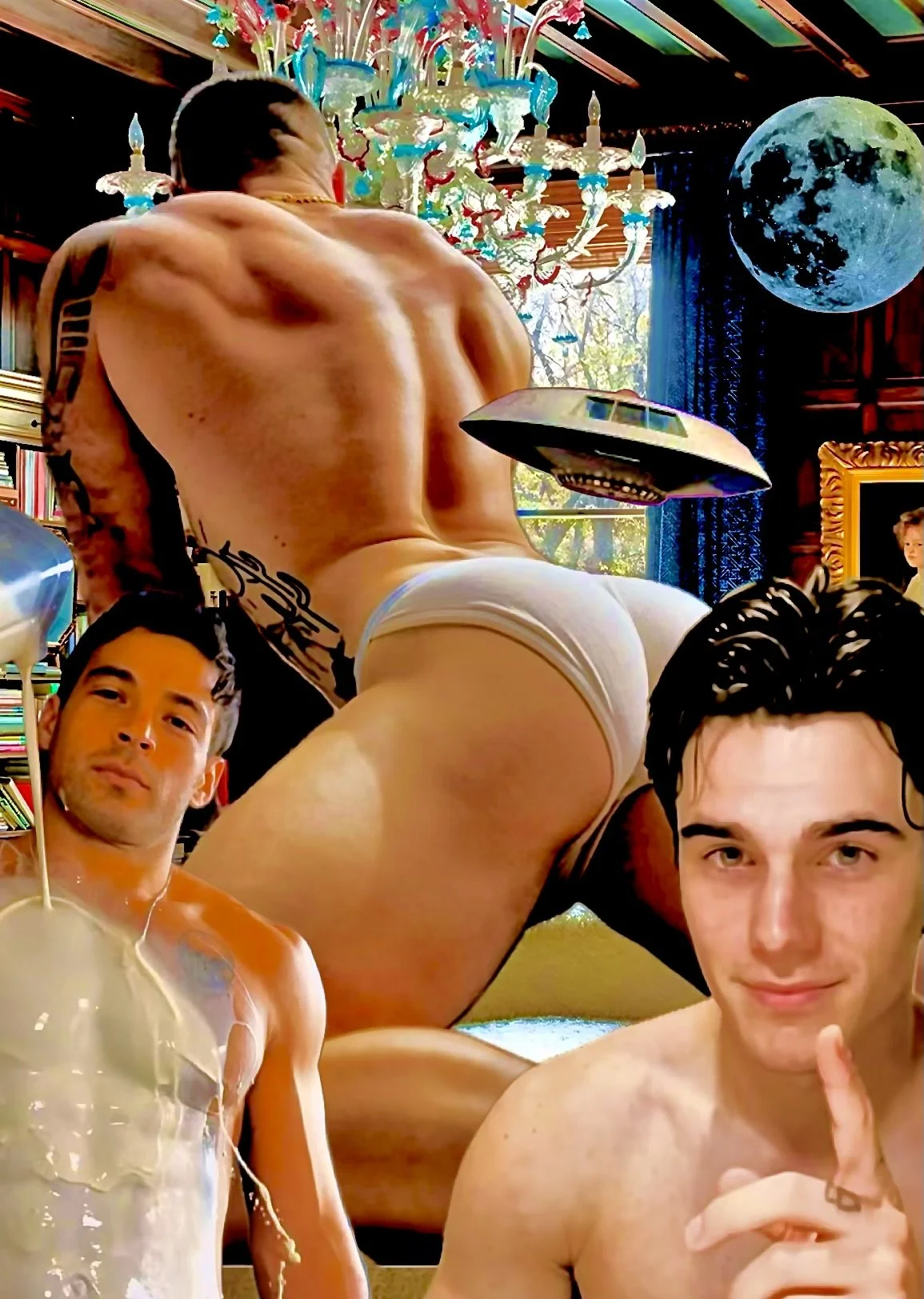
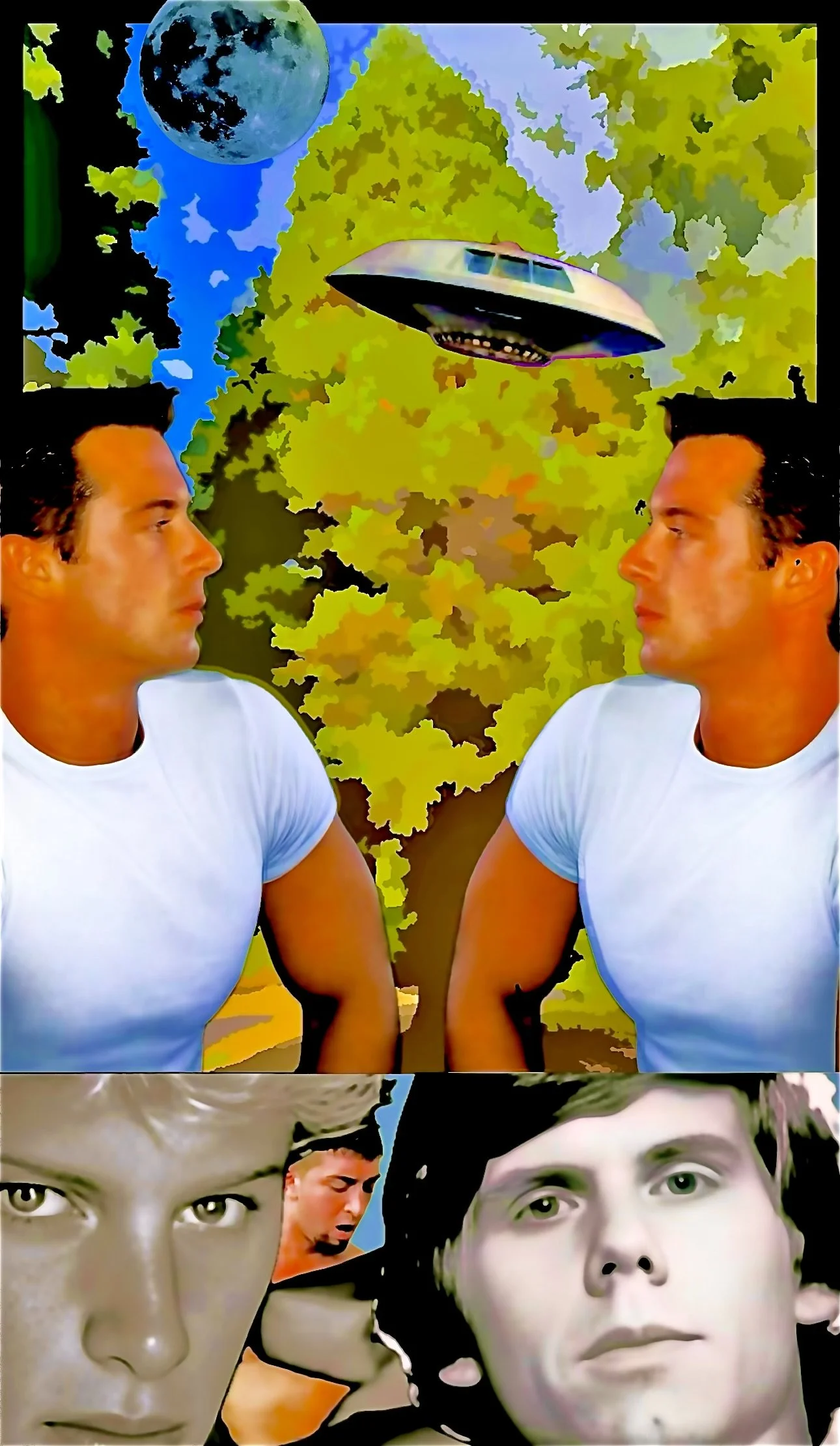
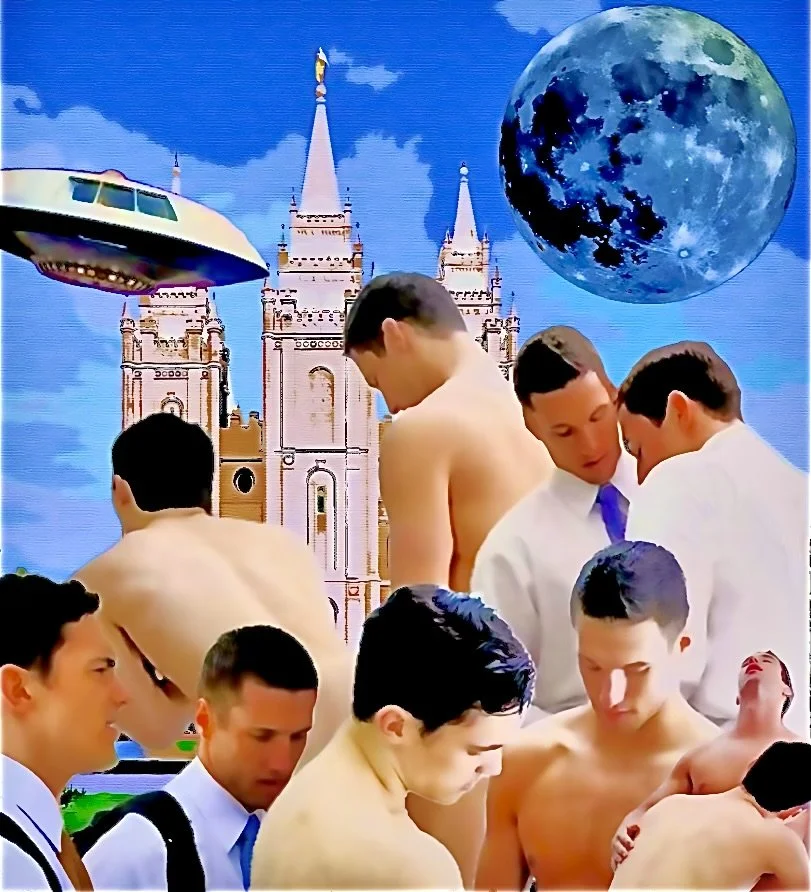
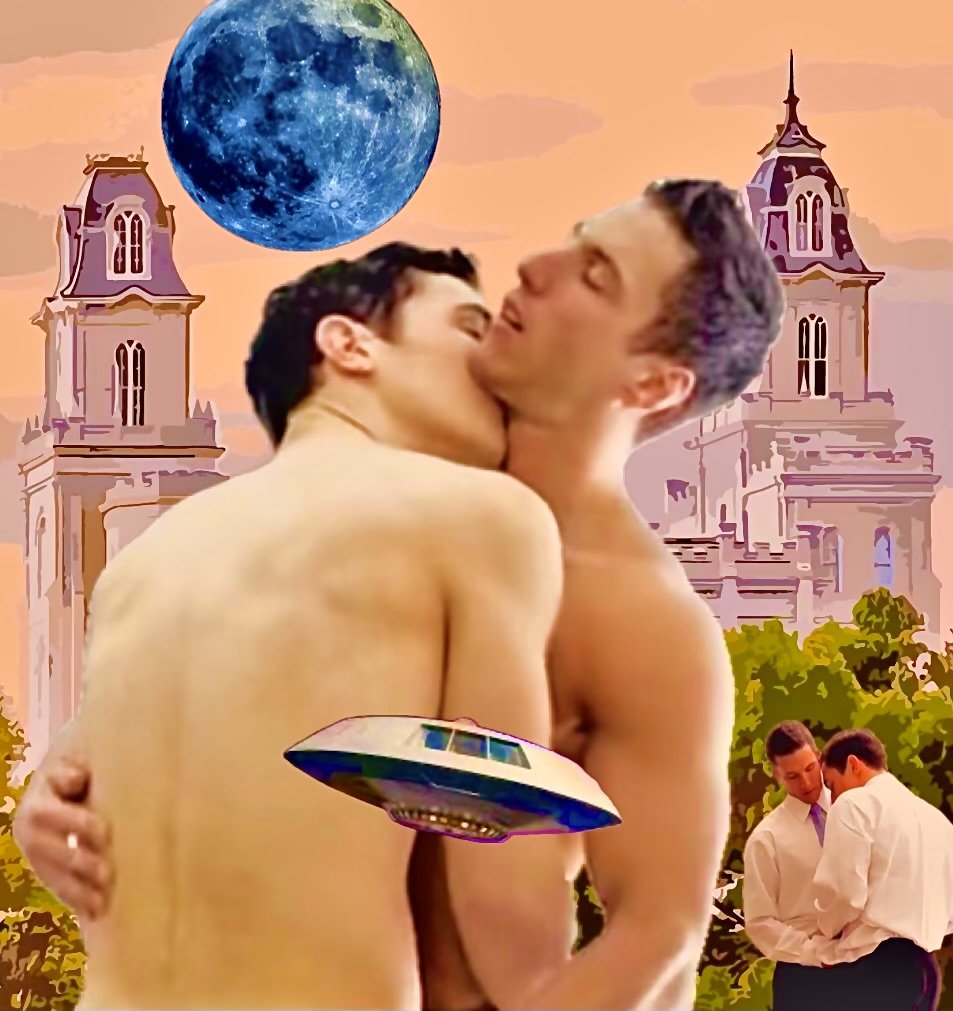
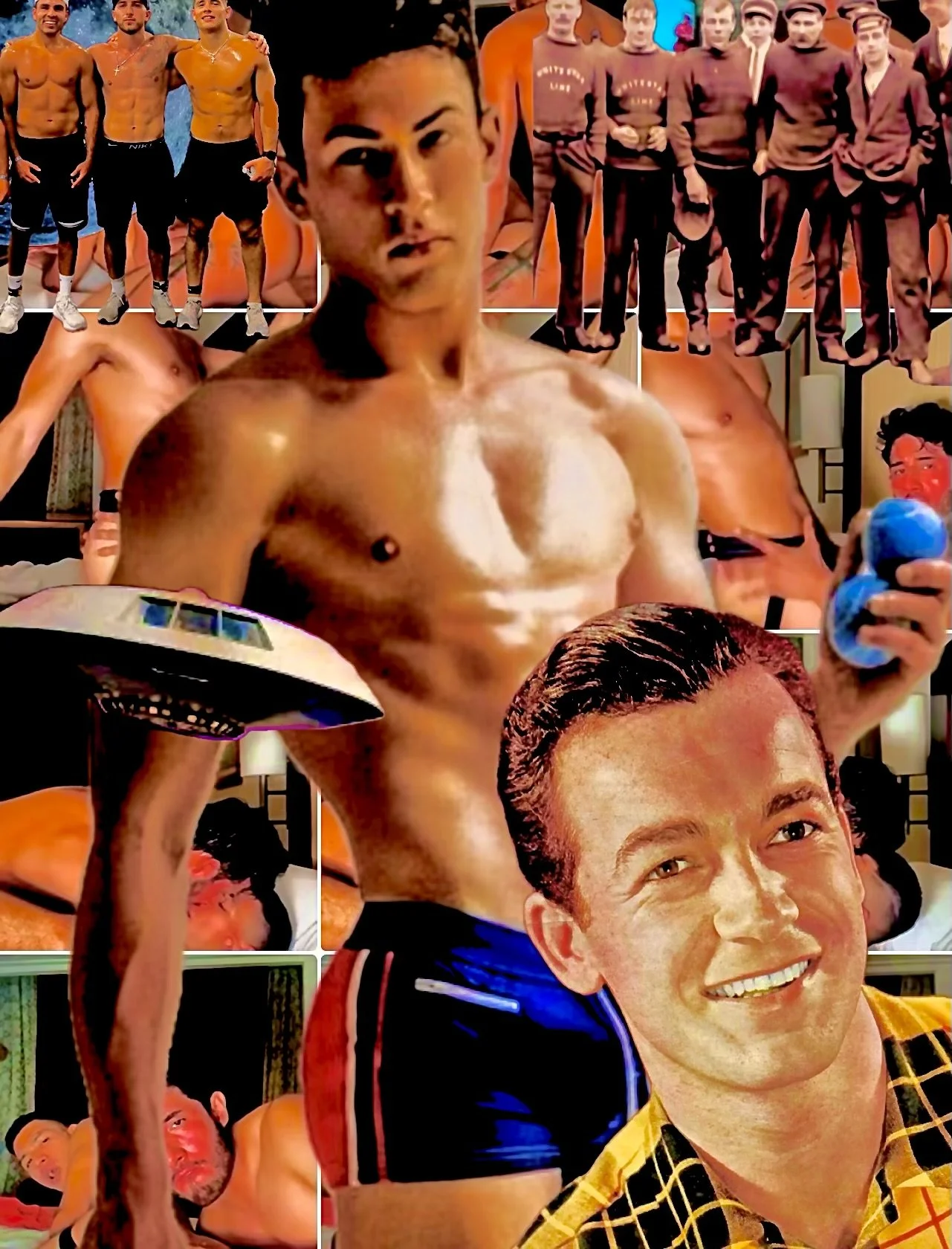
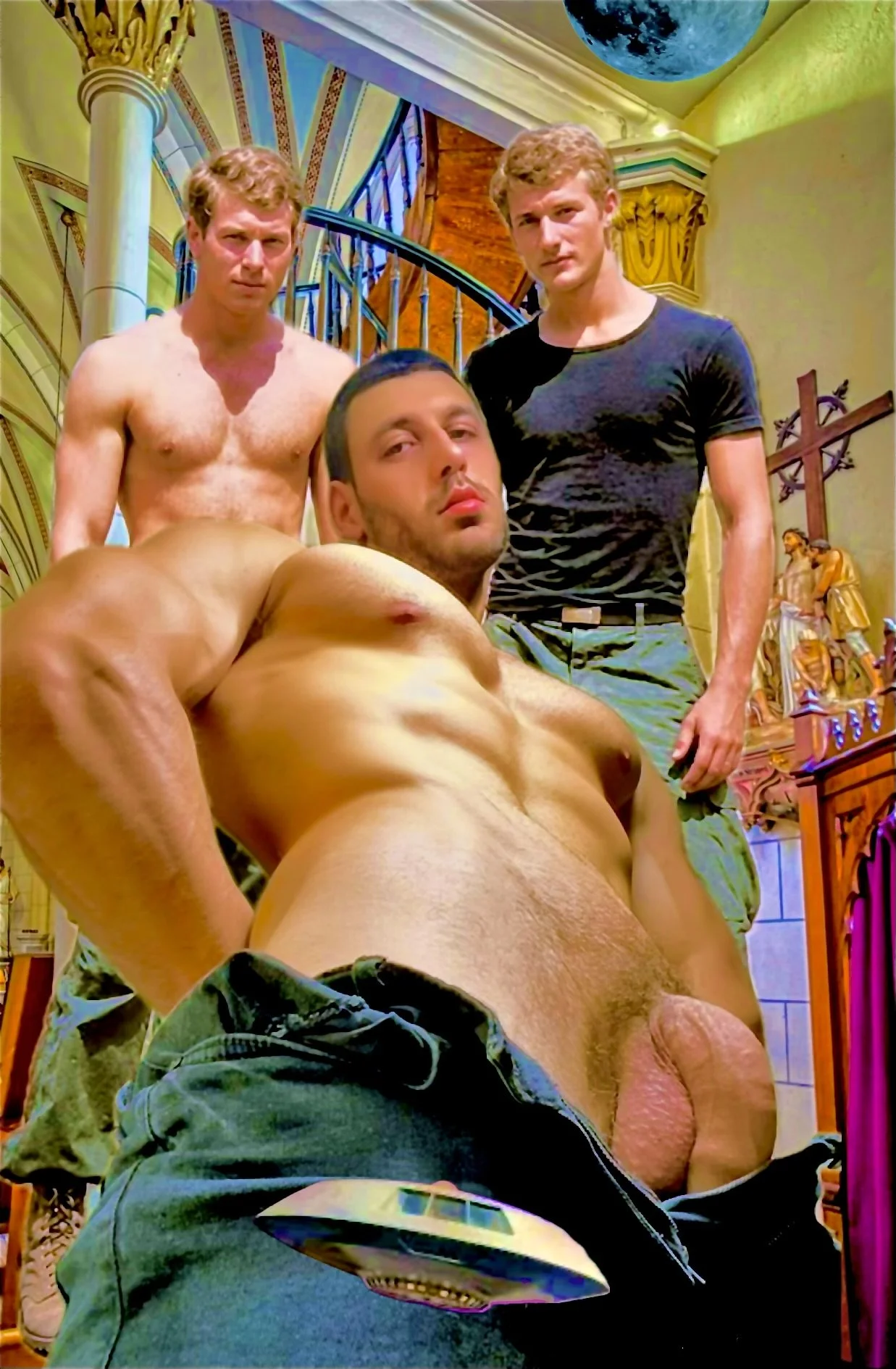
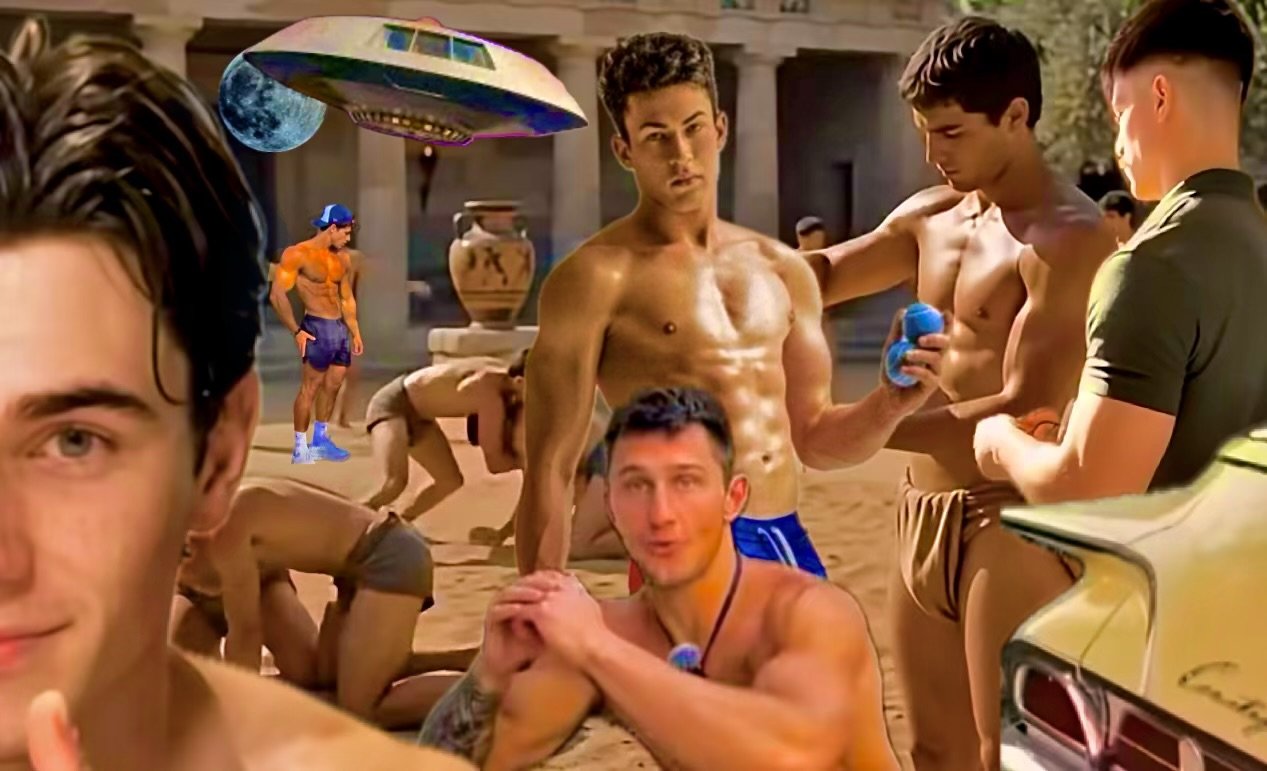
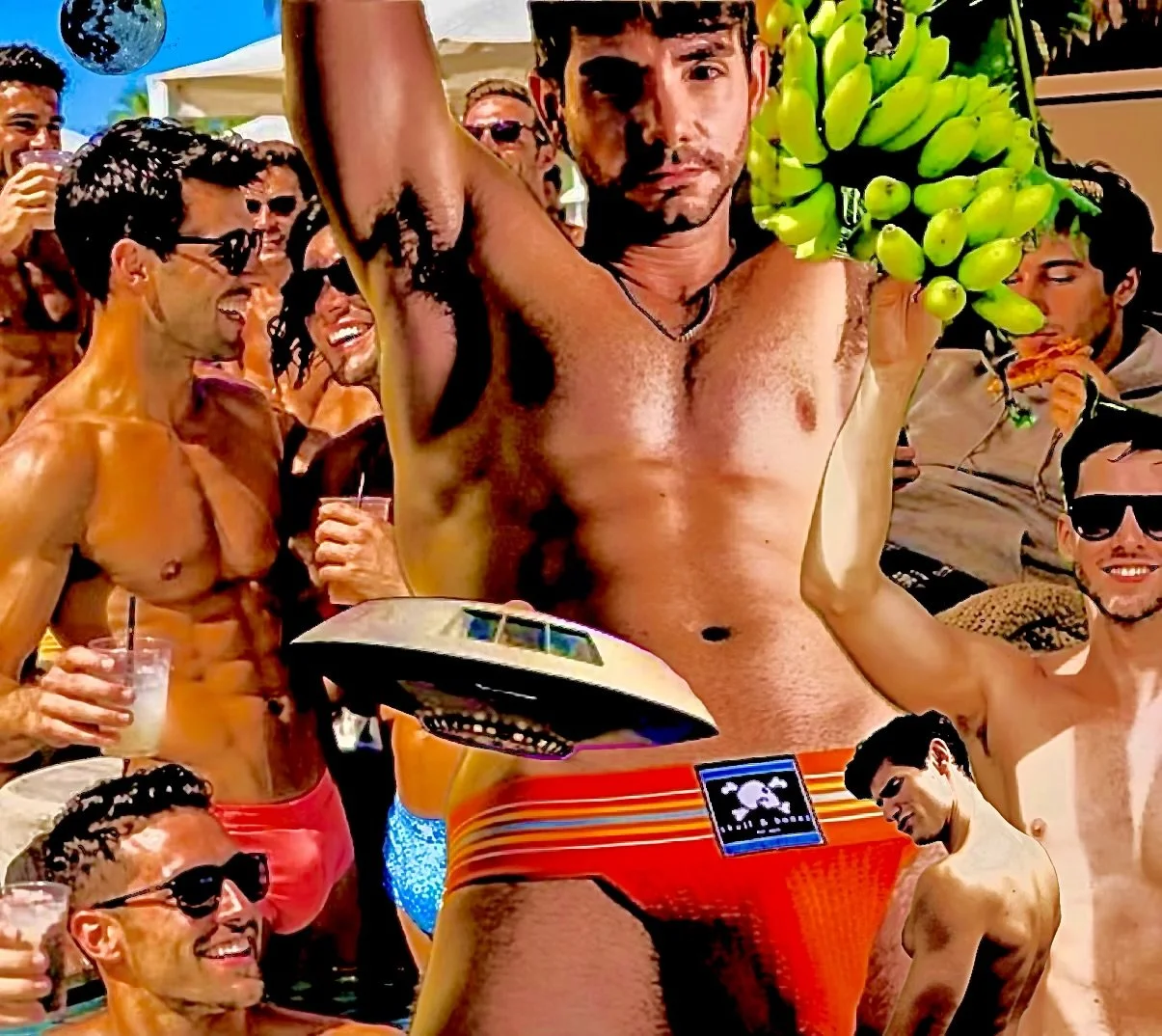
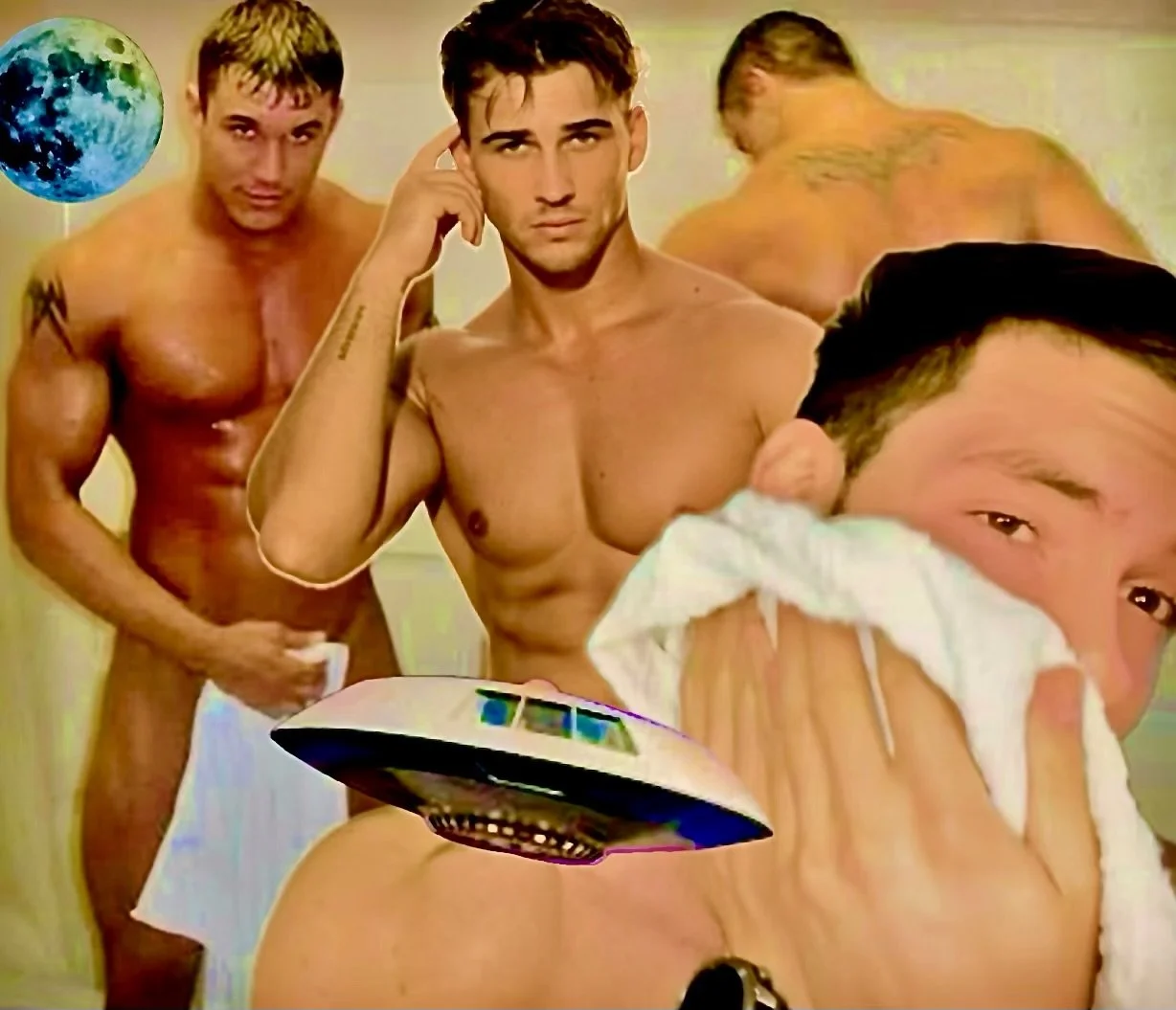
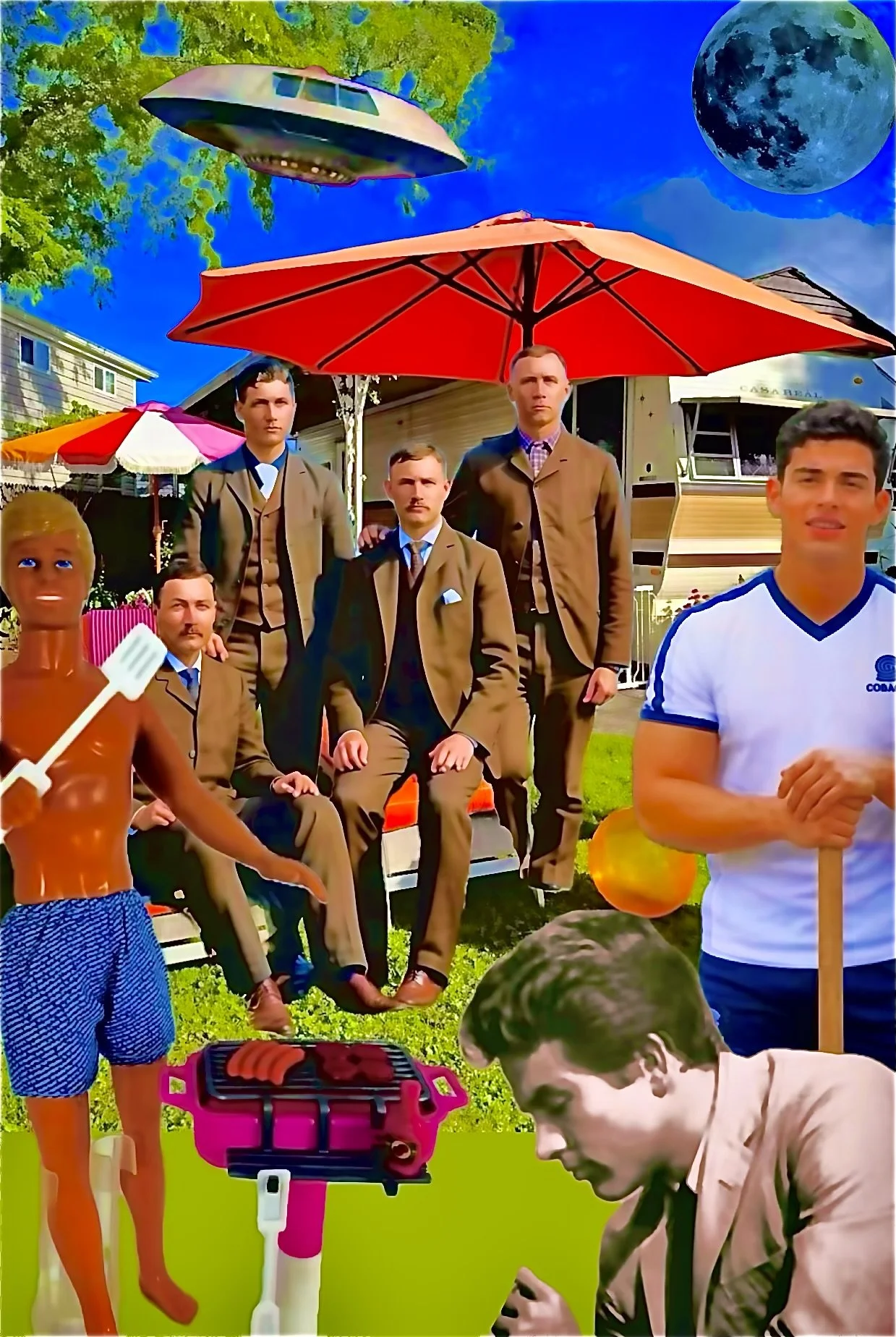
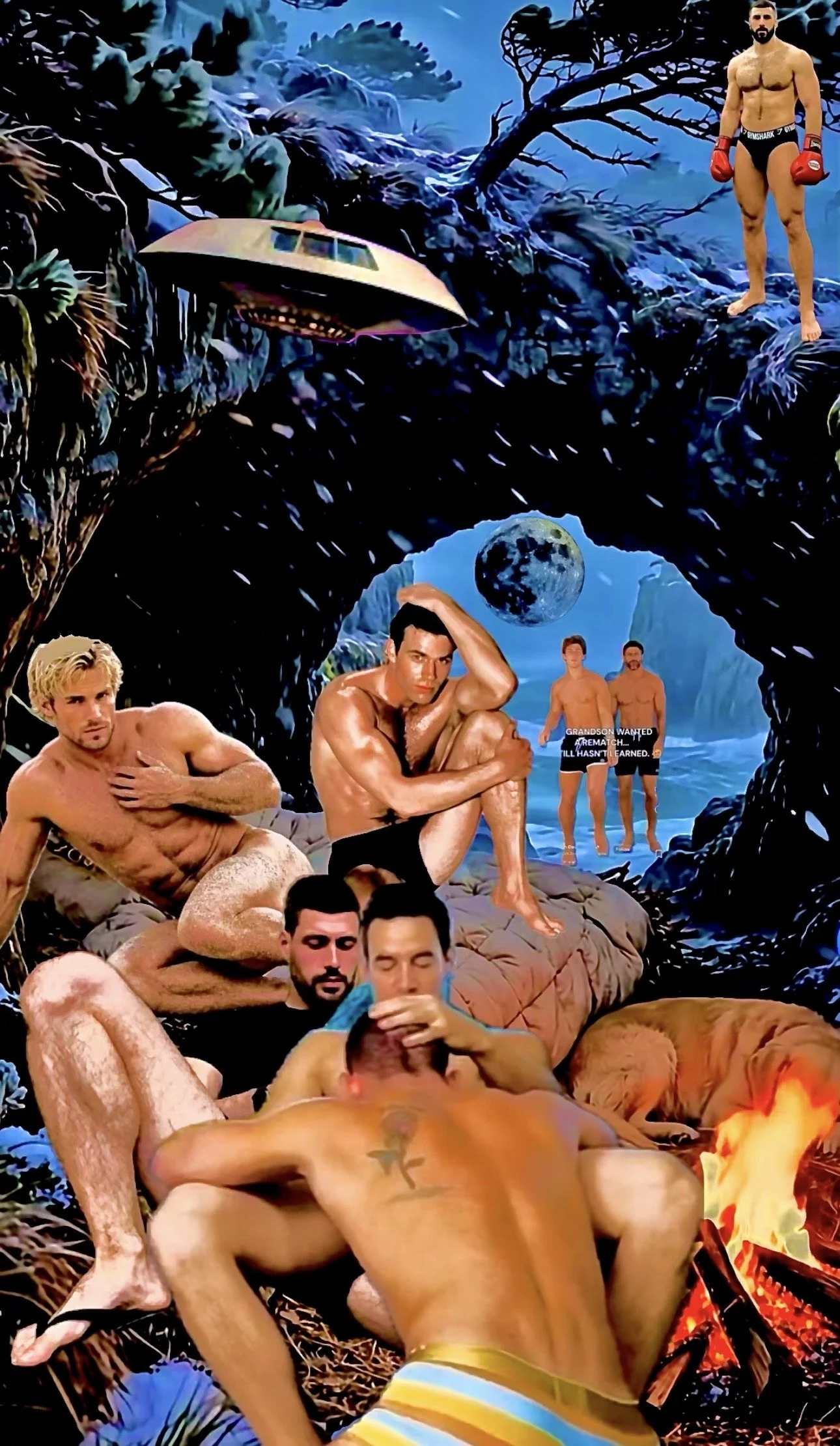
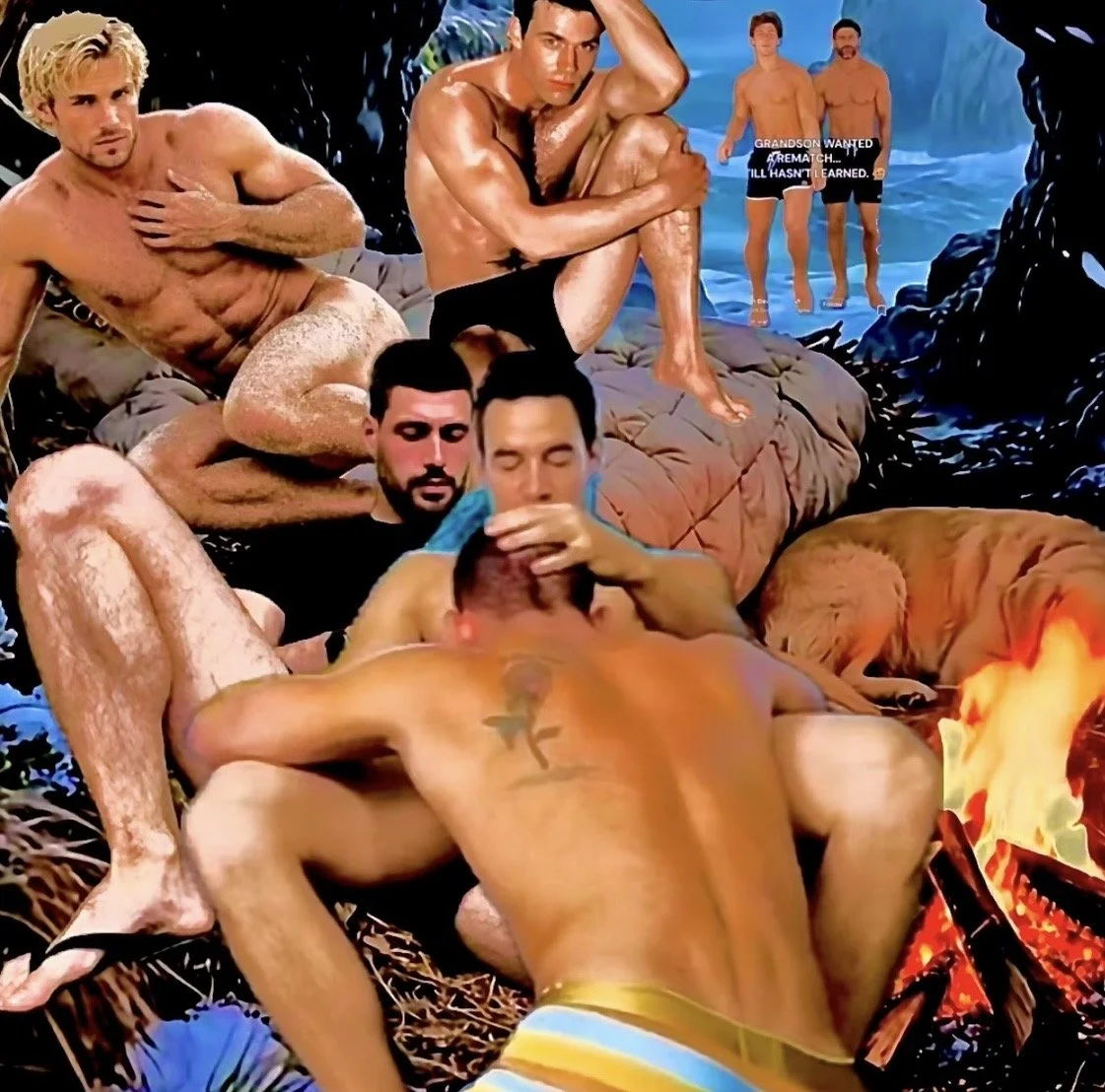
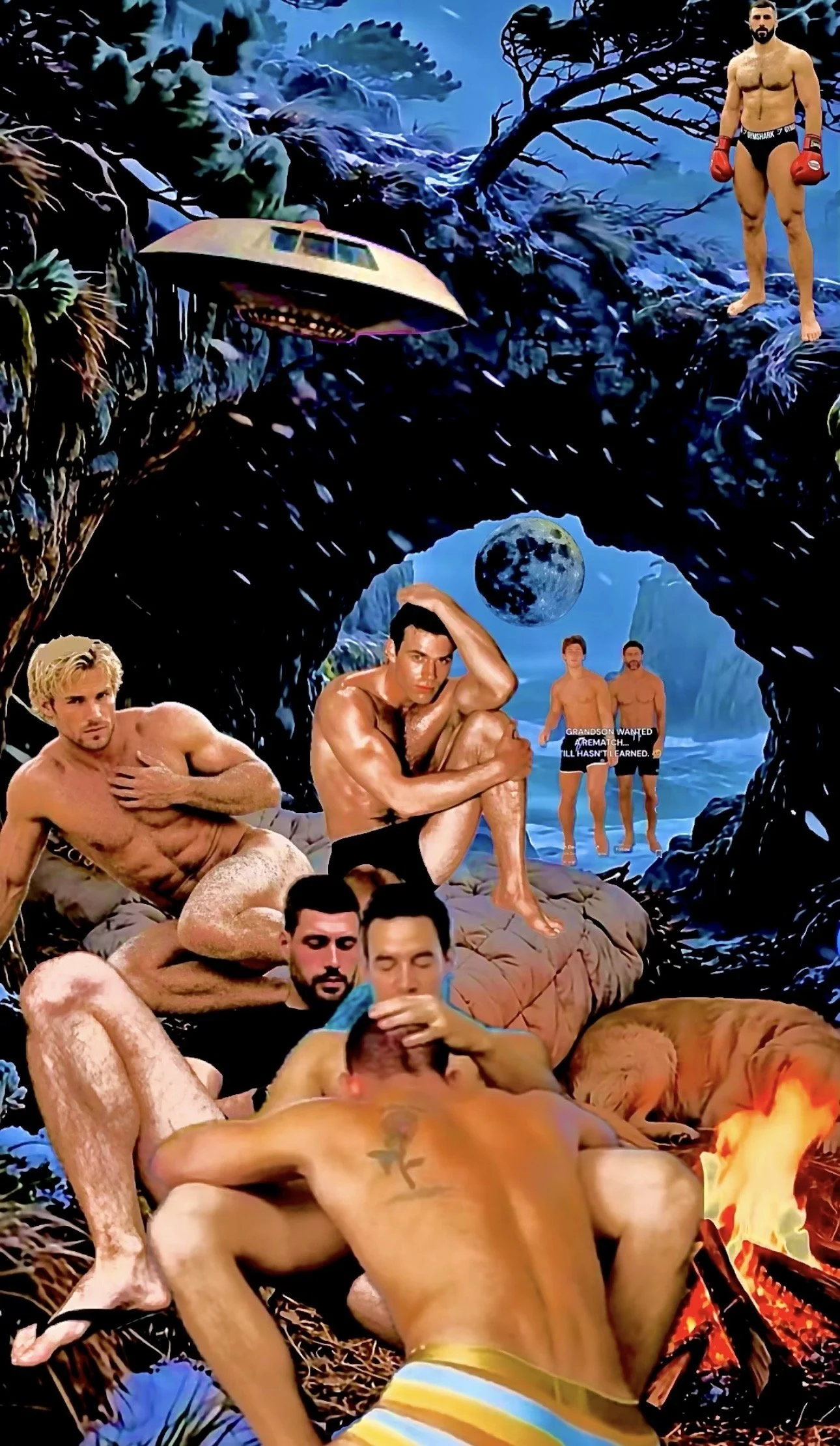
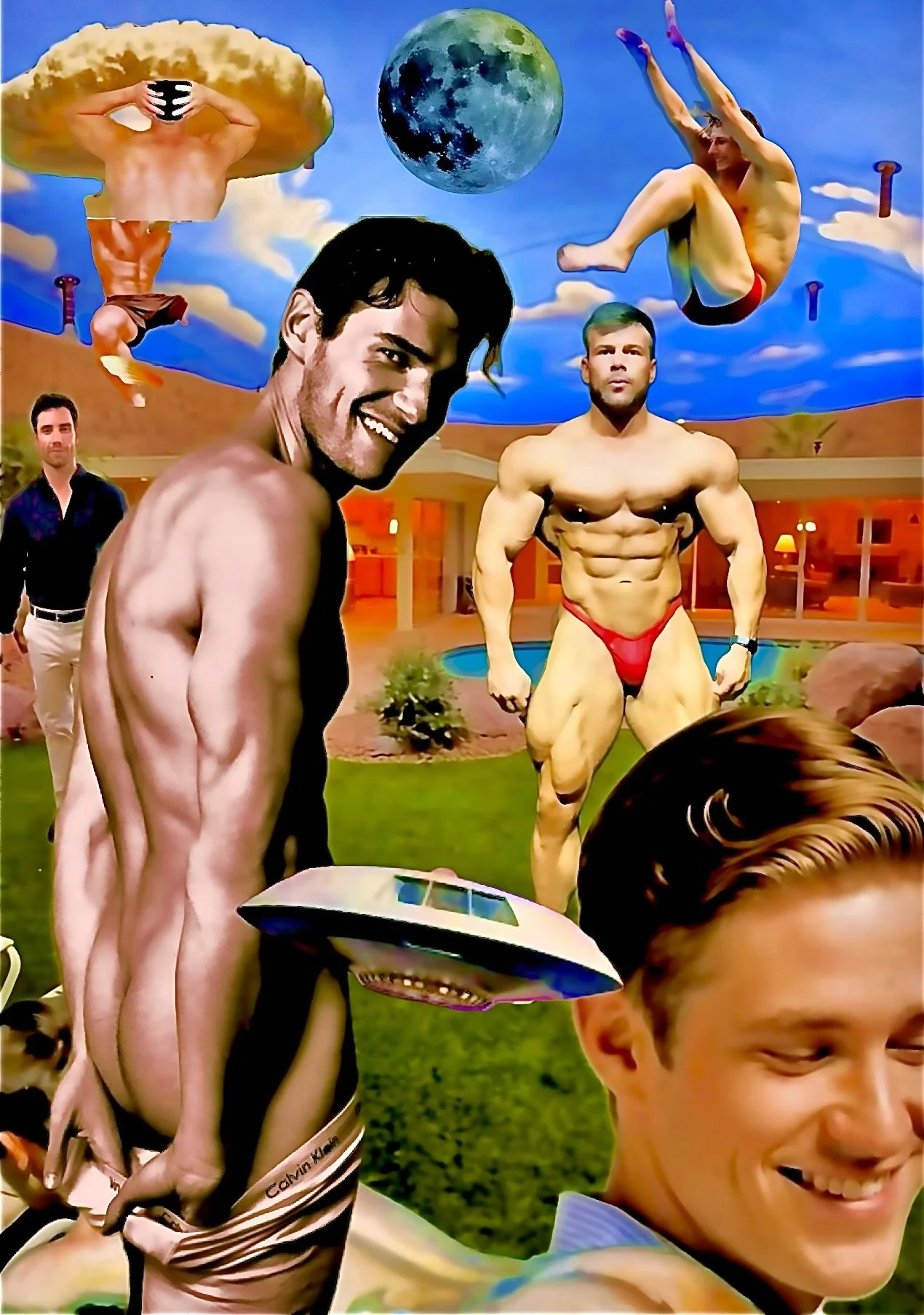
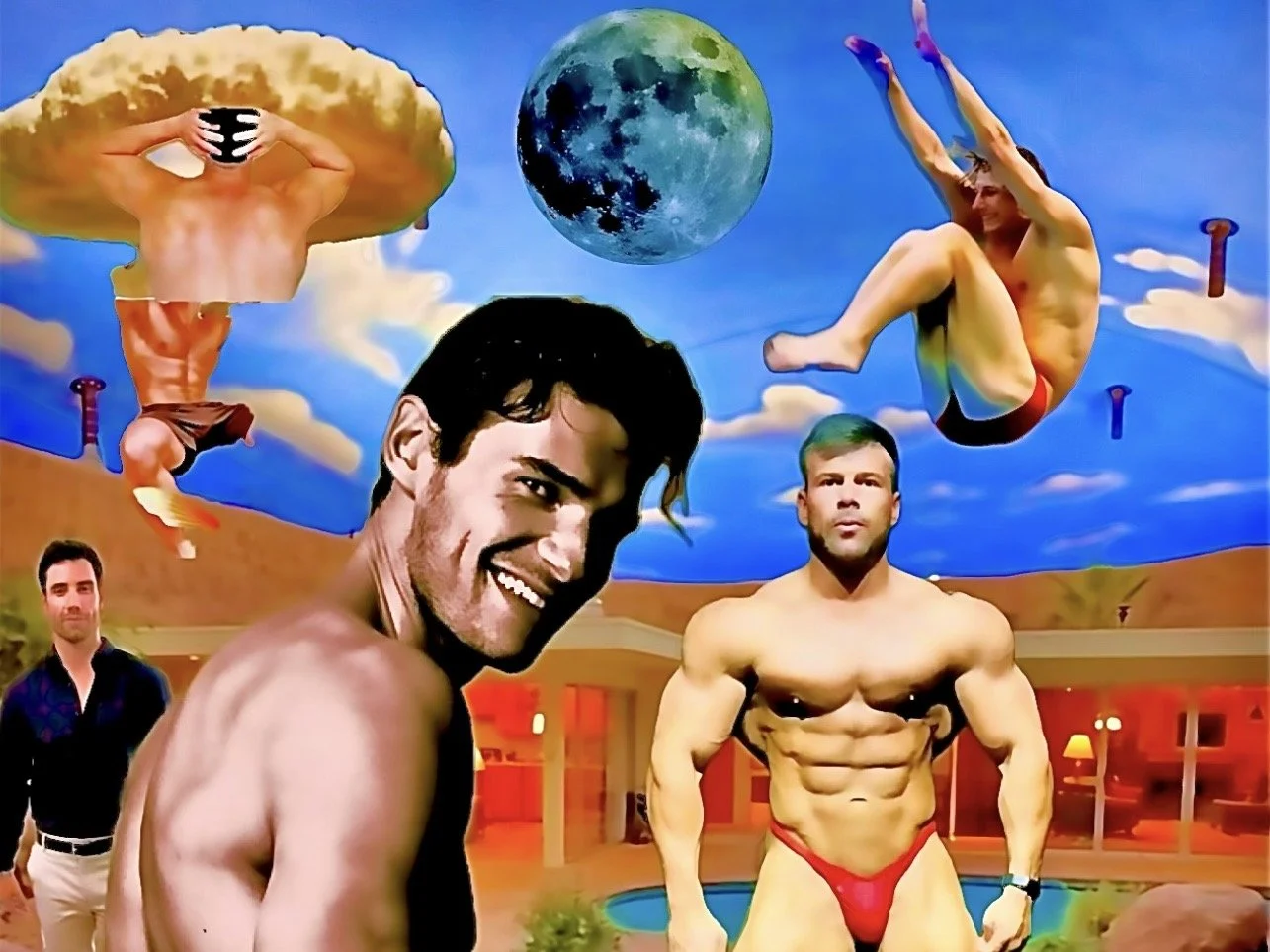
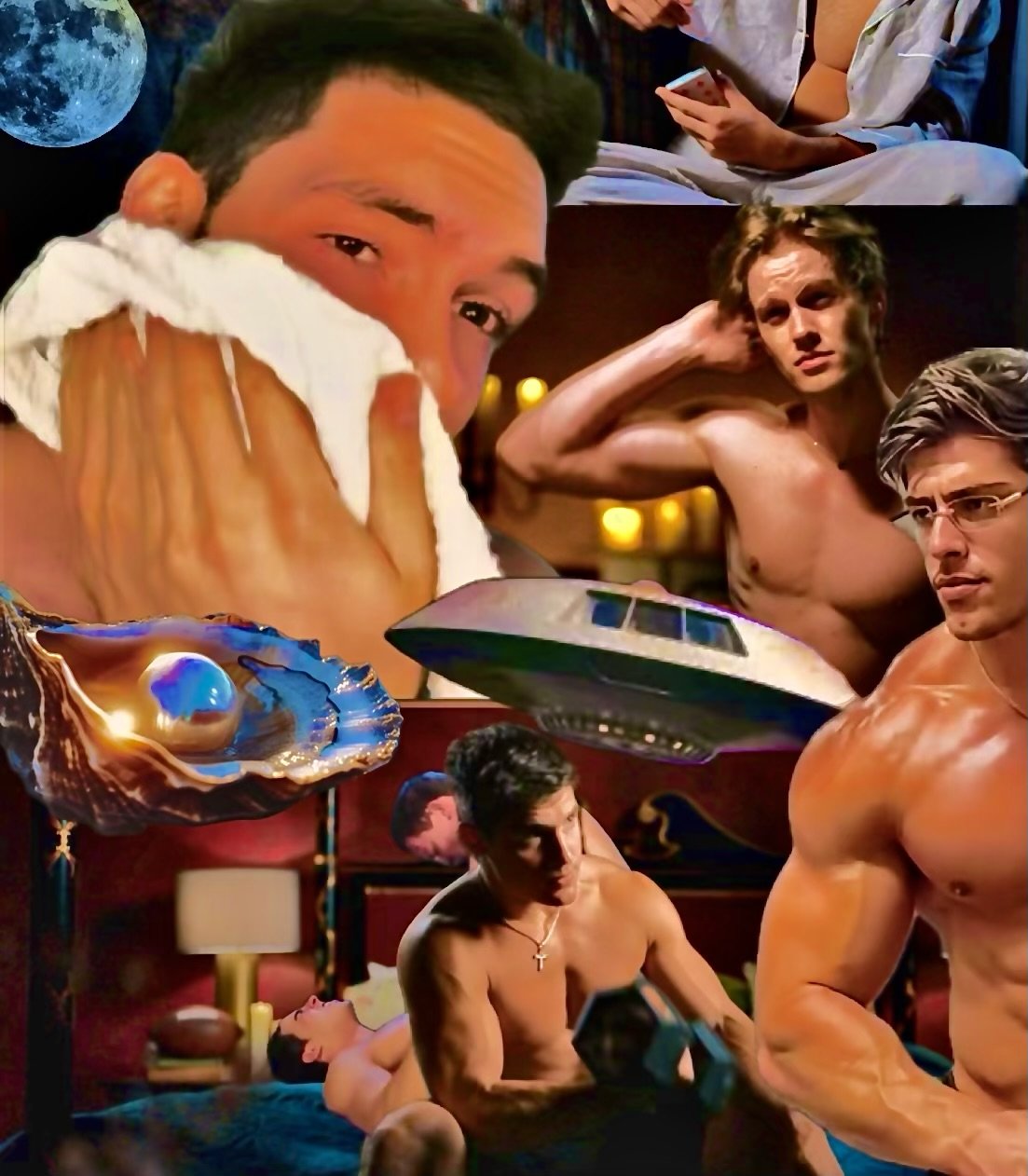
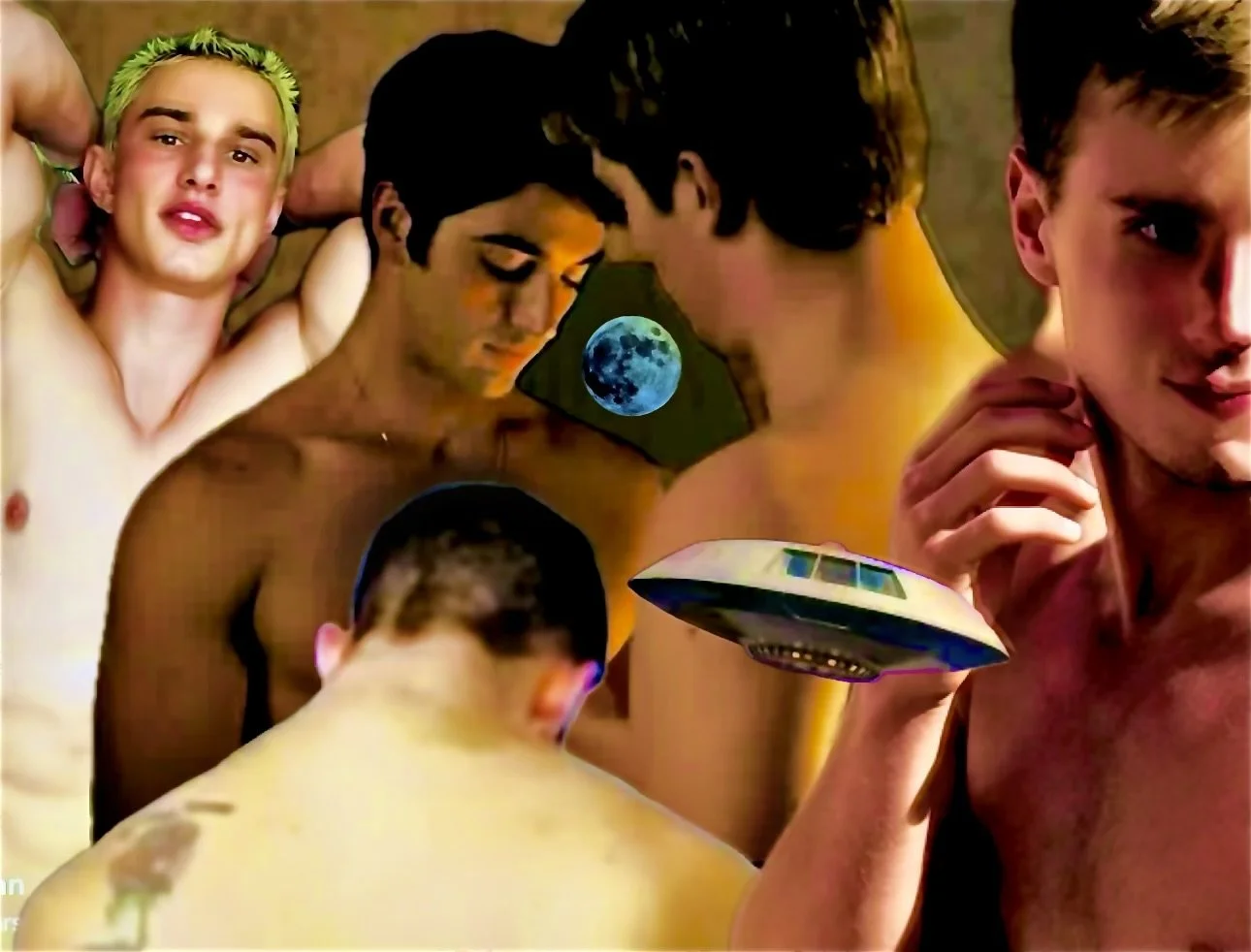
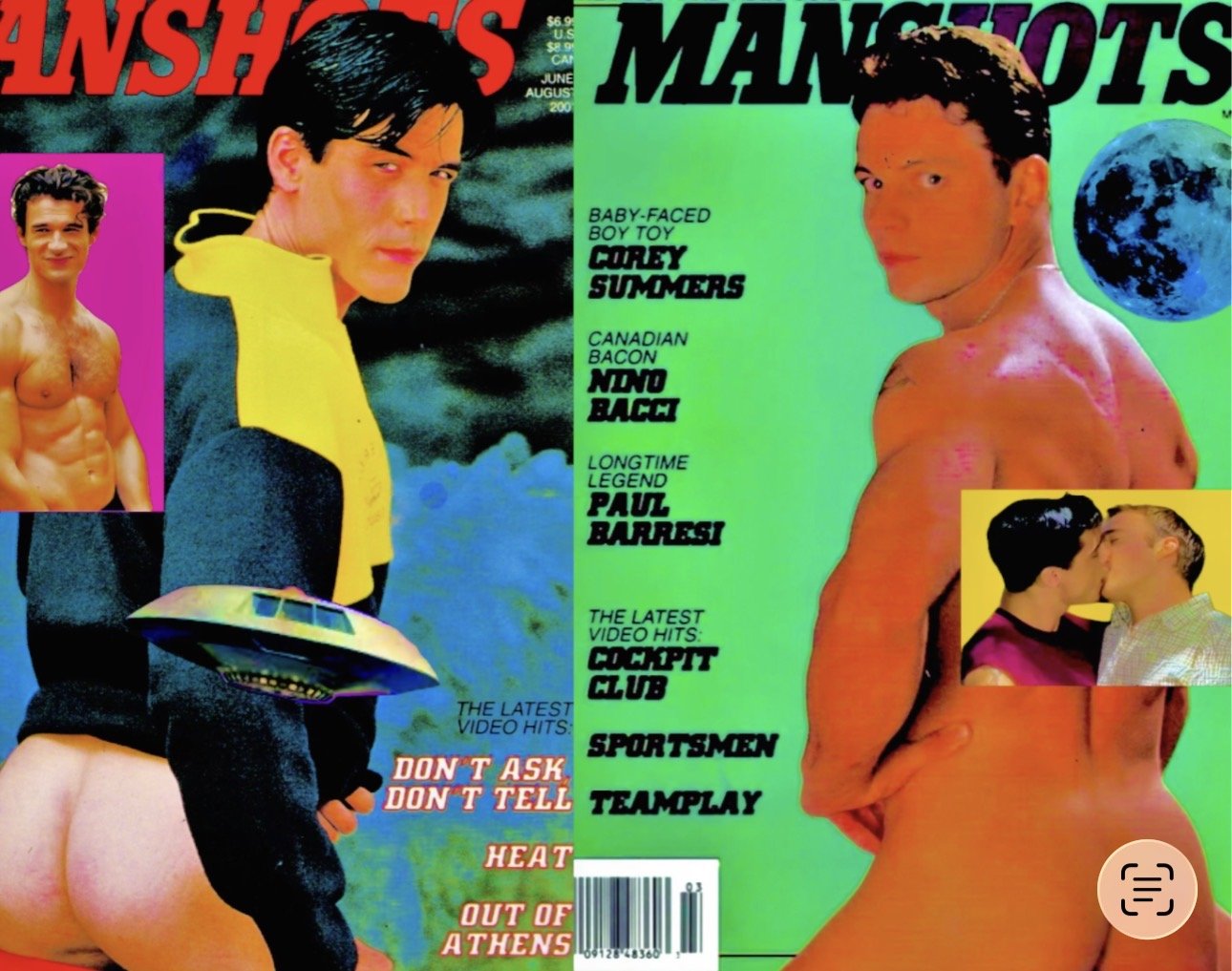
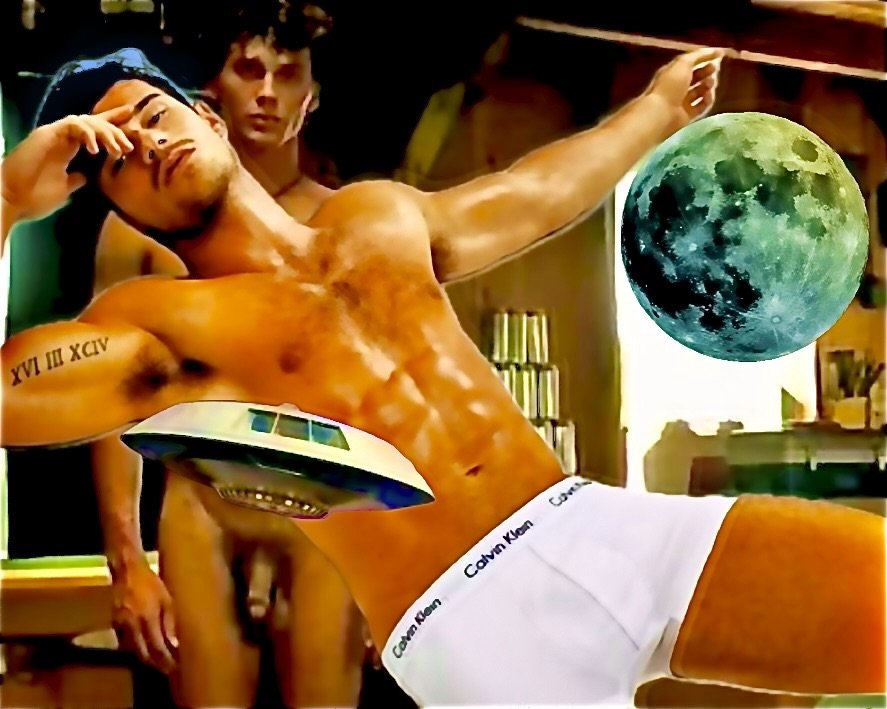
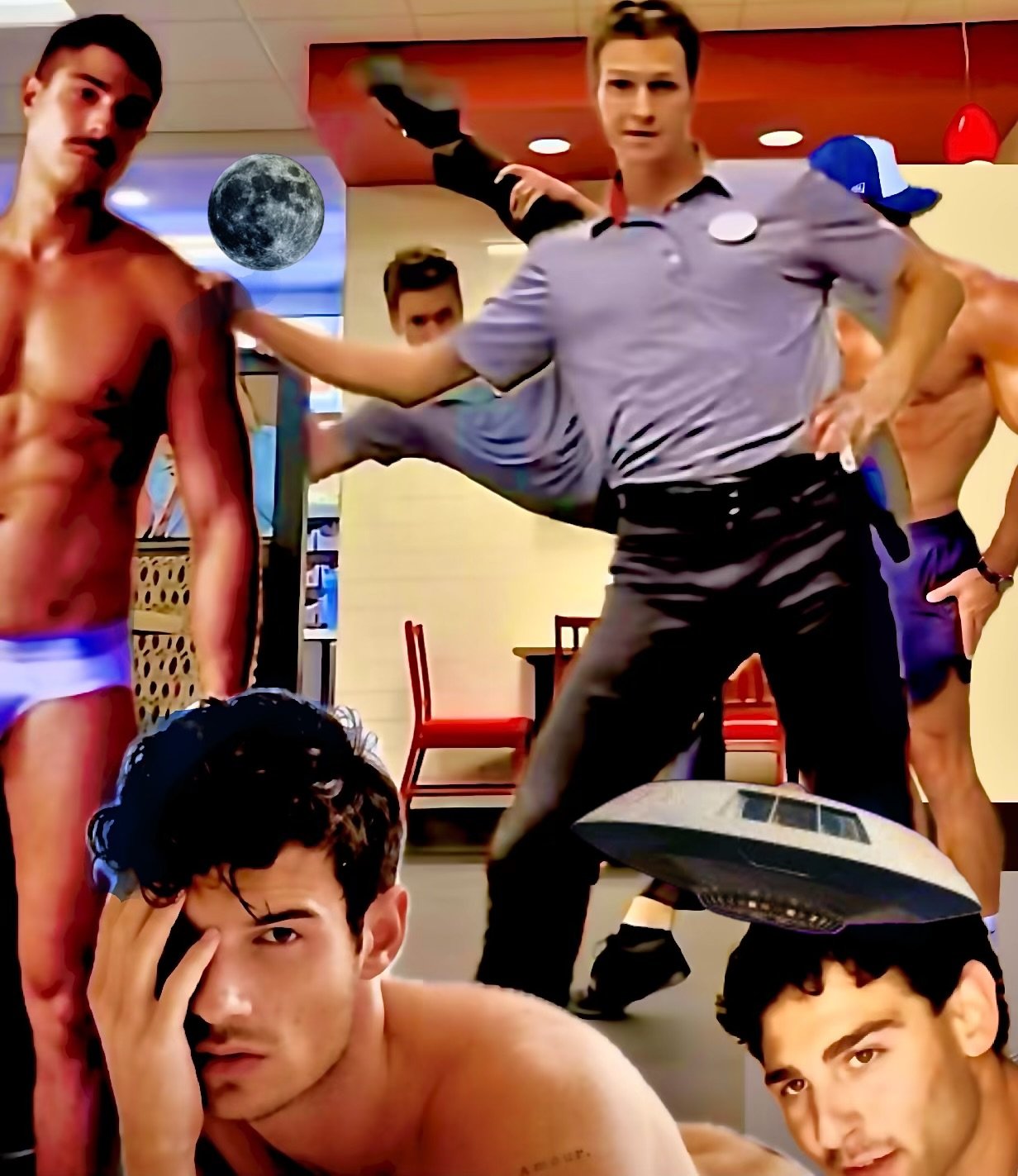
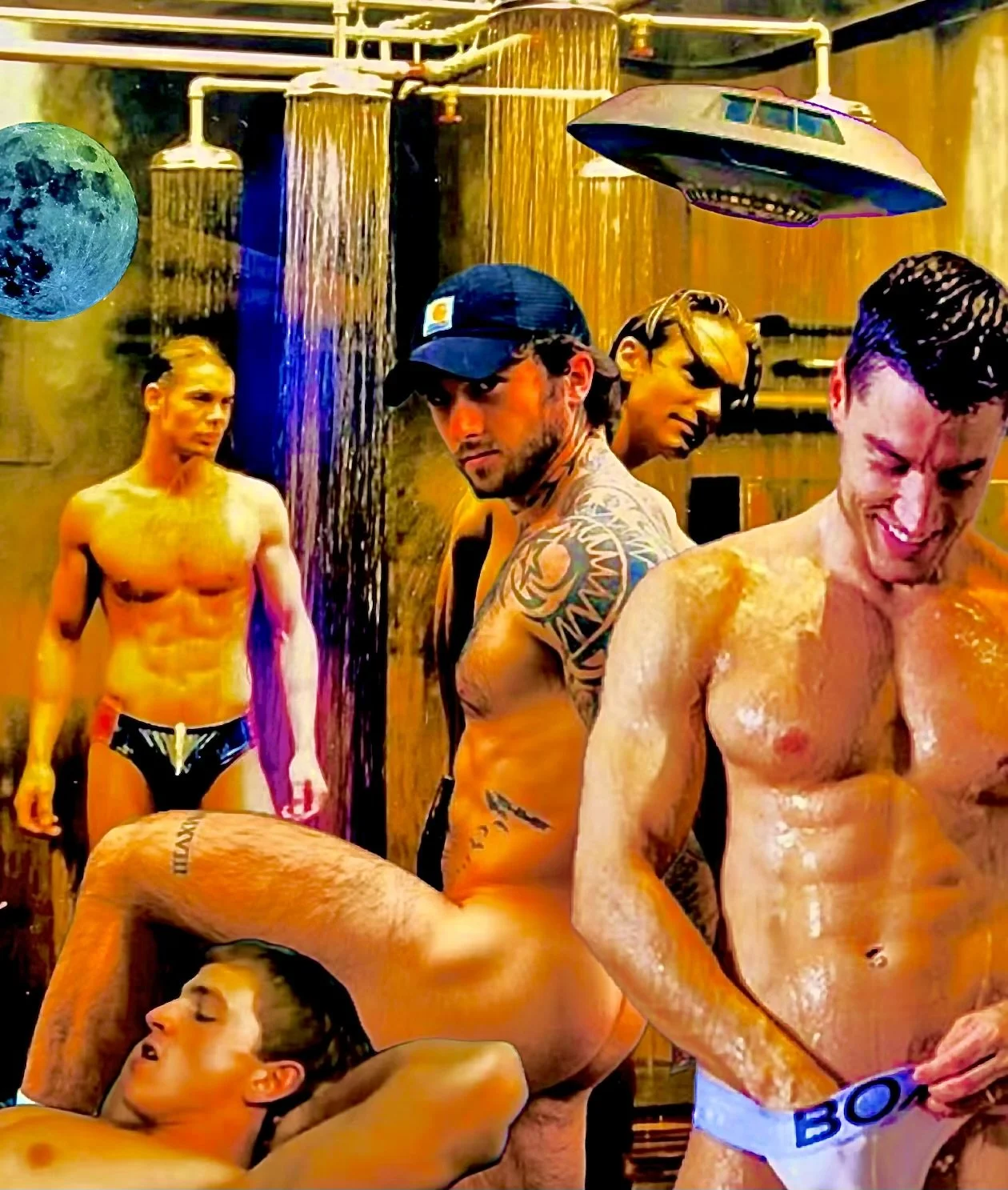
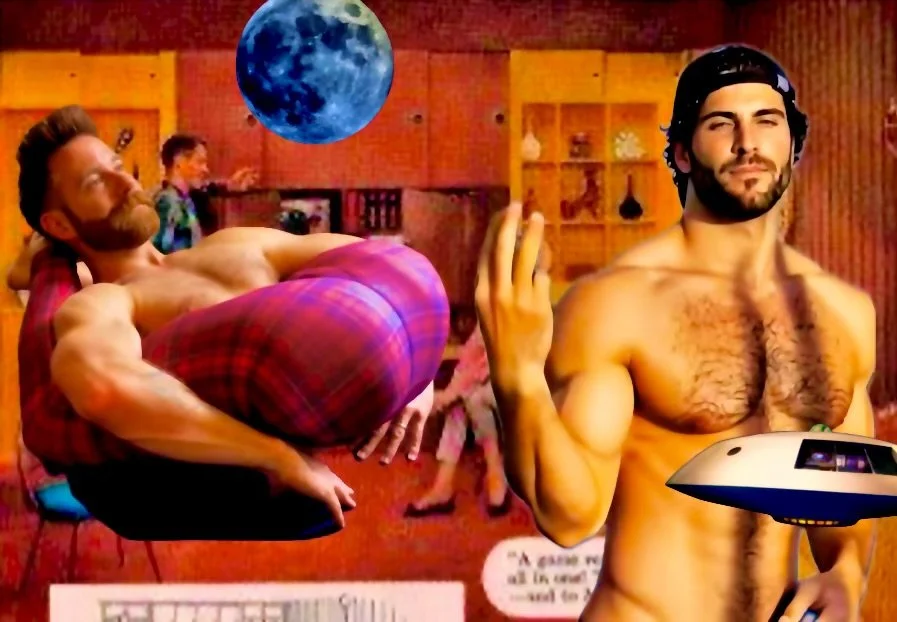
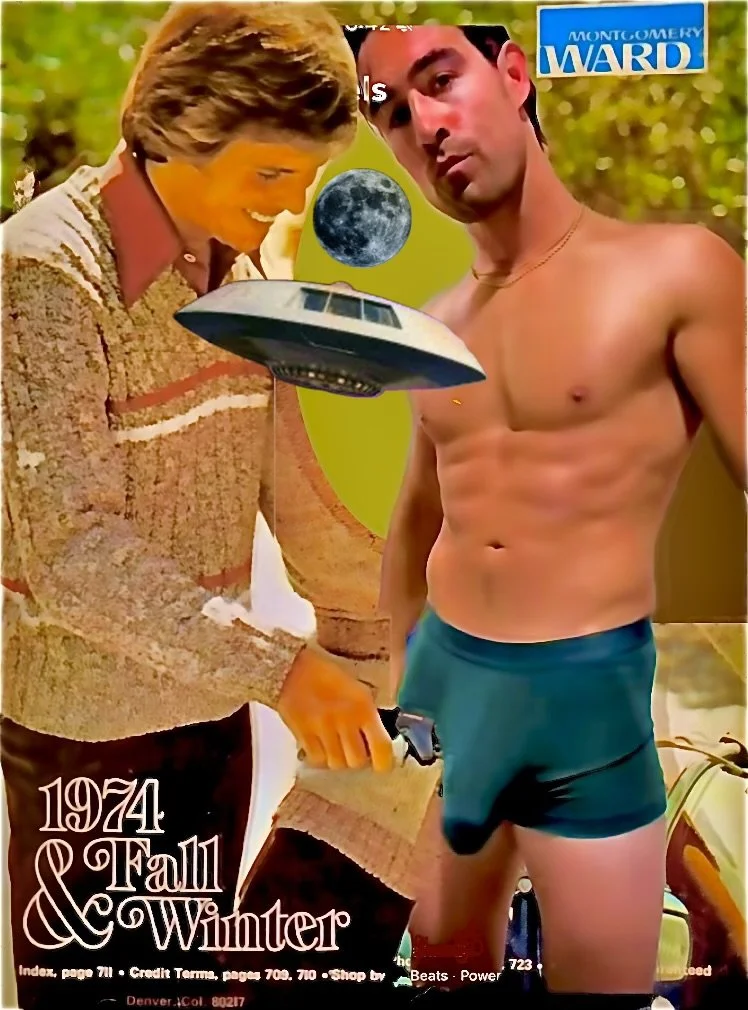
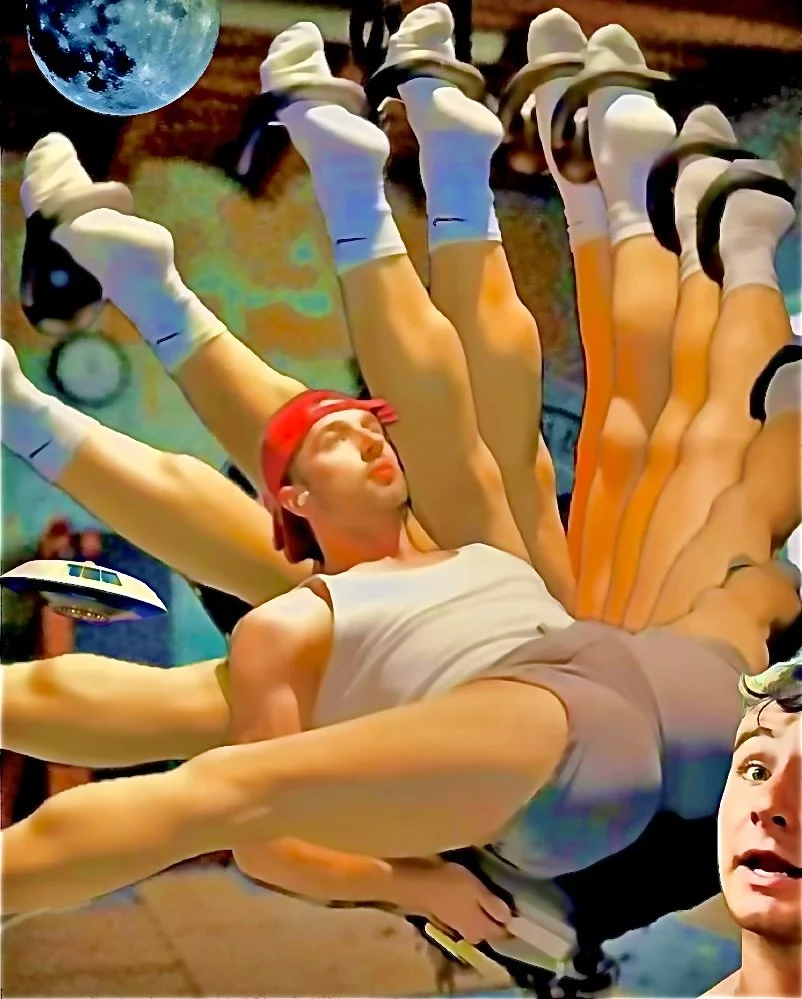
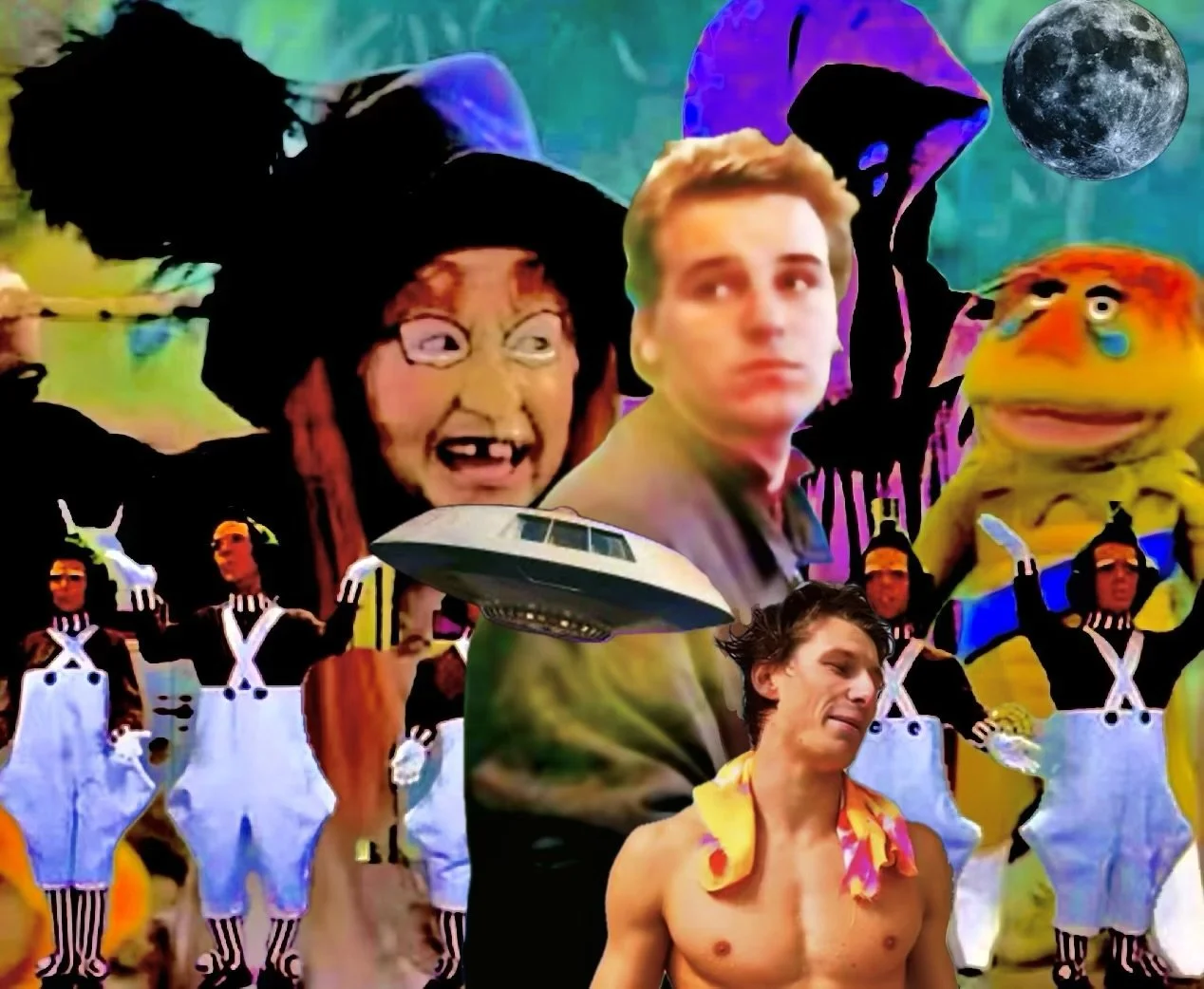
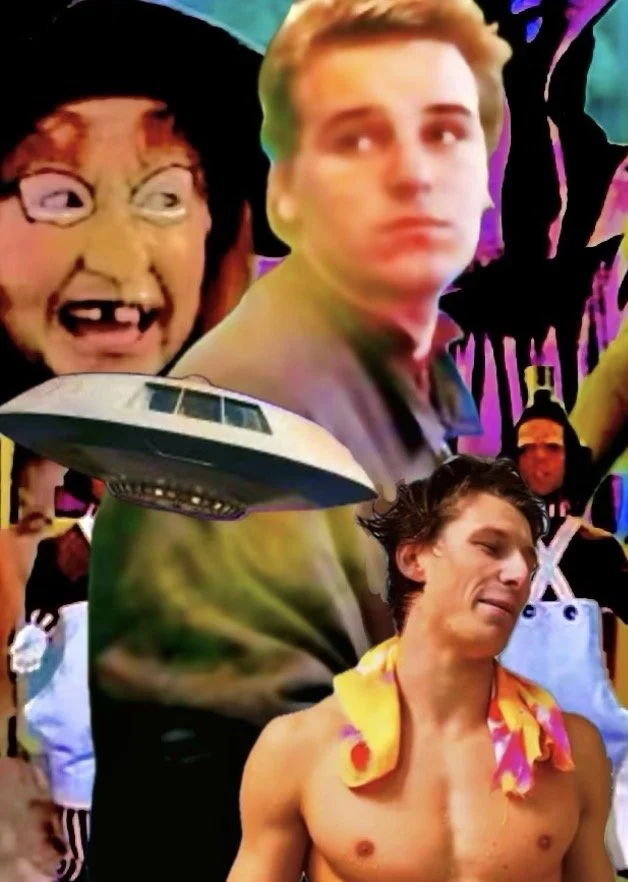
The accompanying collage places a young gay man of 1983 inside the worlds of the three films. The collage brings the two halves of the essay together: the boy who watched these musicals, grown into the generation that the decade would test. At its center is Damian Guy, the first cover model of the Australian gay magazine OutRage. He would have been a child when these films were released in 1970 and 1971. Around him are the creatures of 1970: Witchiepoo and H.R. Pufnstuf and a chorus line of Oompa-Loompas. Behind him rises the third ghost, the Ghost of Christmas Yet to Come. He looks back over his shoulder, an outsider in the collage itself. In the foreground, a young man of today smiles with his eyes closed, at ease where Guy is wary. The saturated colors of the collage are inspired by the unique palettes of the three films.
Postscript
The children who acted in these films came of age in the same decade as the children who watched them. They lived through the same years the timeline describes. More than 50 years on, rest in peace to those who have passed on:
• Jack Wild (Jimmy, Pufnstuf) — March 1, 2006
• Denise Nickerson (Violet Beauregarde, Willy Wonka & the Chocolate Factory) — July 10, 2019
• Richard Beaumont (Tiny Tim, Scrooge) — April 26, 2022