Looking Back to Move Forward
Every artist learns from the artists who came before. Study of earlier work is a standard part of artistic training and practice. Painters copy old masters in museums. Students reproduce drawings to understand line and proportion. Copying a method shows how a finished work was built.
Picasso and Las Meninas
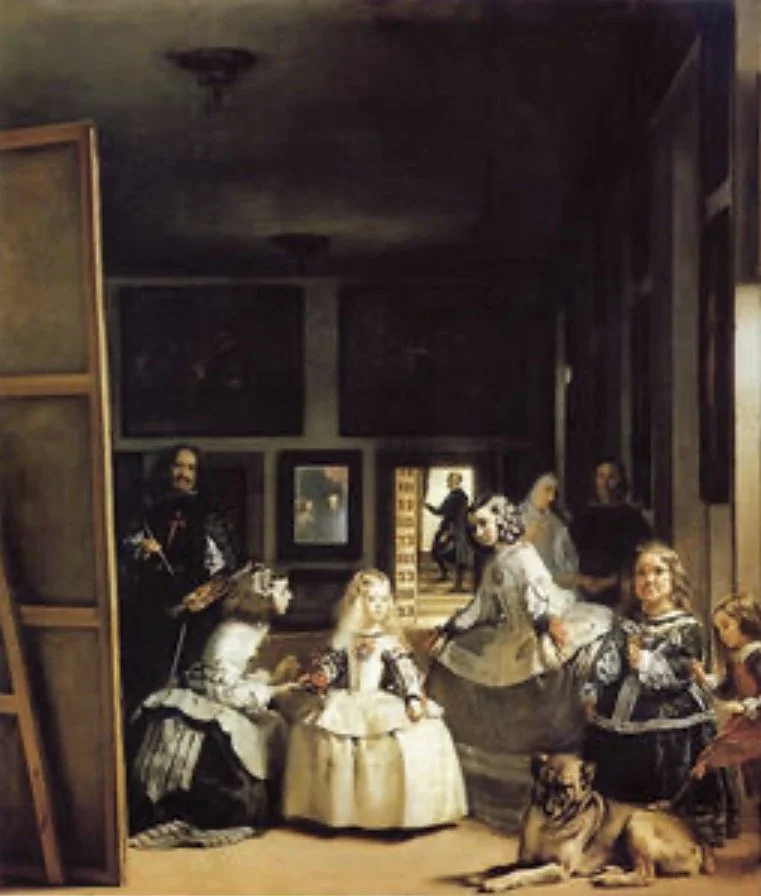
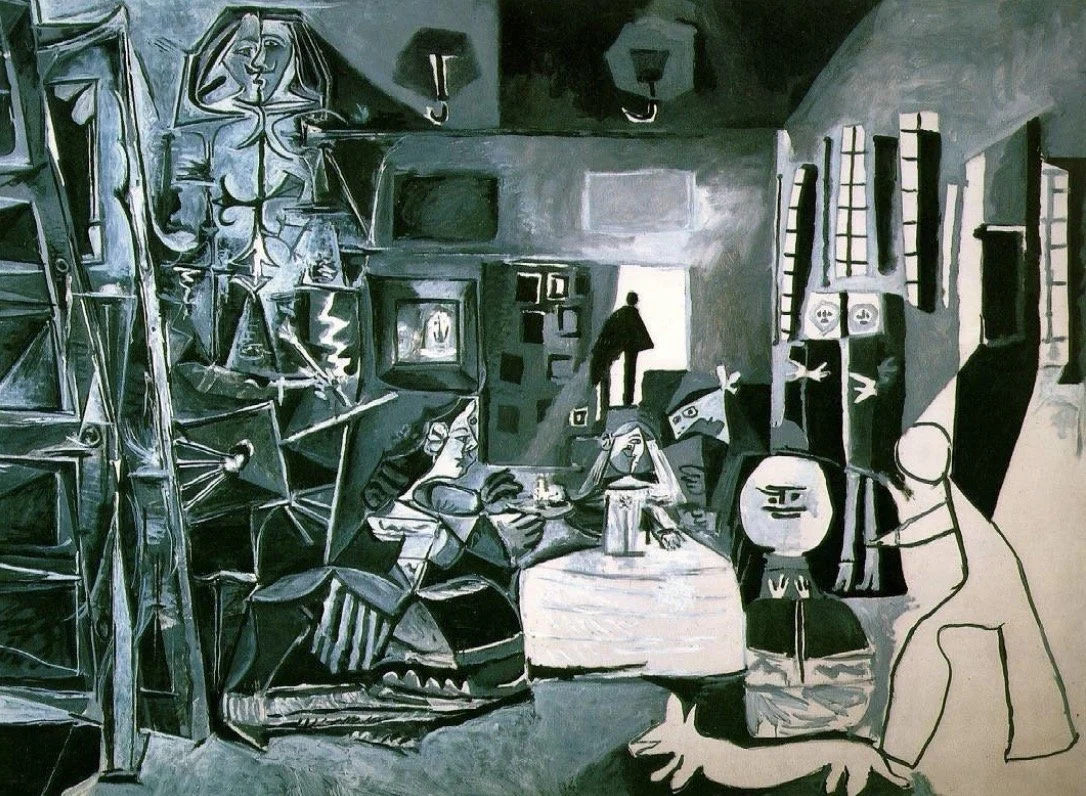
In 1957, Pablo Picasso made 58 paintings based on Diego Velázquez's Las Meninas (1656). He studied the full composition, then individual figures, then details such as the dog and the light from the window. He changed the color, the scale, and the style, and some versions are almost entirely abstract. The series shows a major artist taking apart an earlier masterpiece to understand how it works. Picasso later donated the series to the Museu Picasso in Barcelona.
Kehinde Wiley and Napoleon
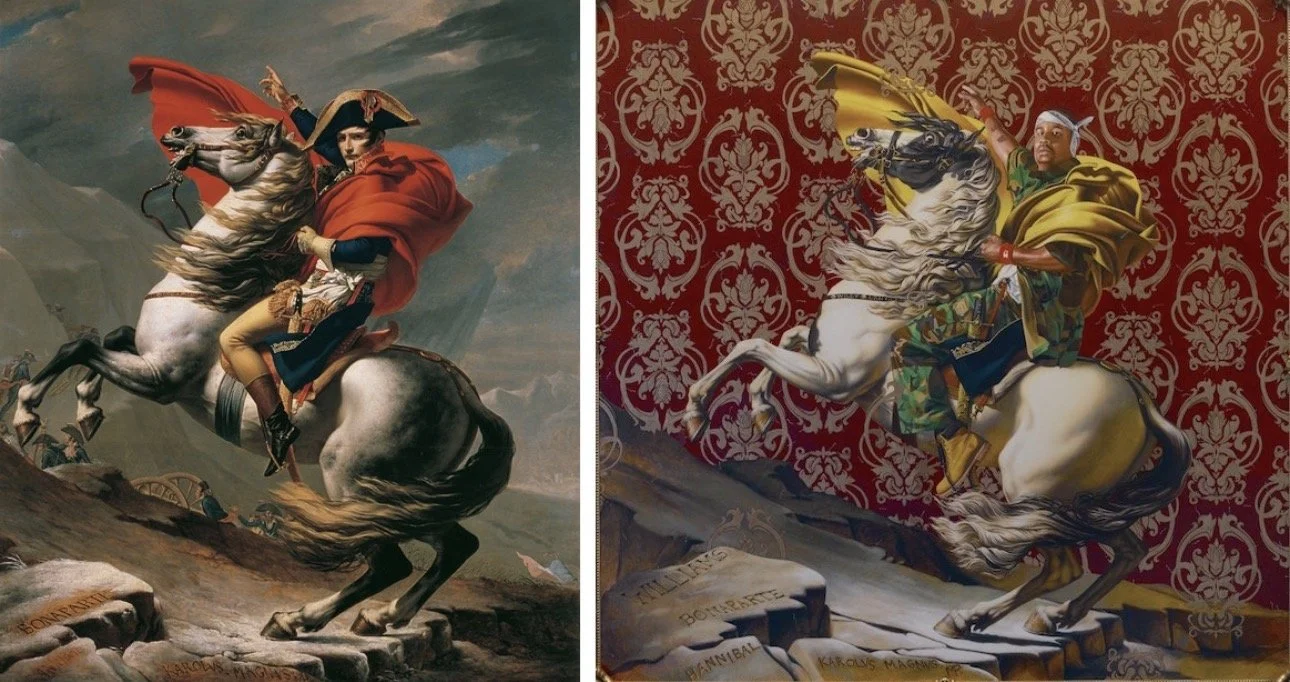
Kehinde Wiley's Napoleon Leading the Army over the Alps (2005) is based on Jacques-Louis David's portrait of Napoleon on horseback. Wiley keeps David's composition: the rearing horse, the raised arm, the heroic pose. He replaces Napoleon with a young Black man in contemporary clothing and sets him against a bright decorative pattern. The painting uses the language of European state portraiture to ask who has been traditionally empowered by it.
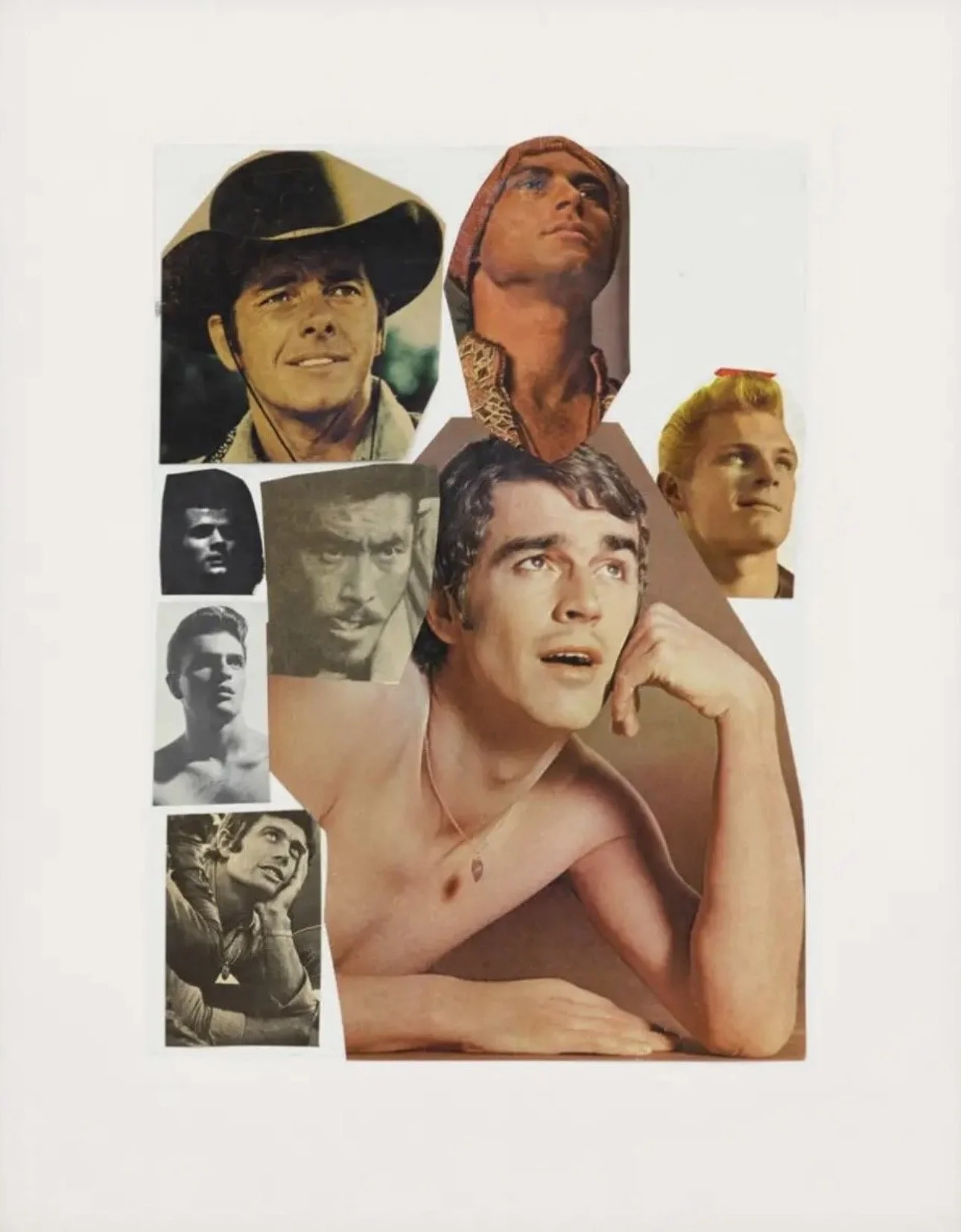
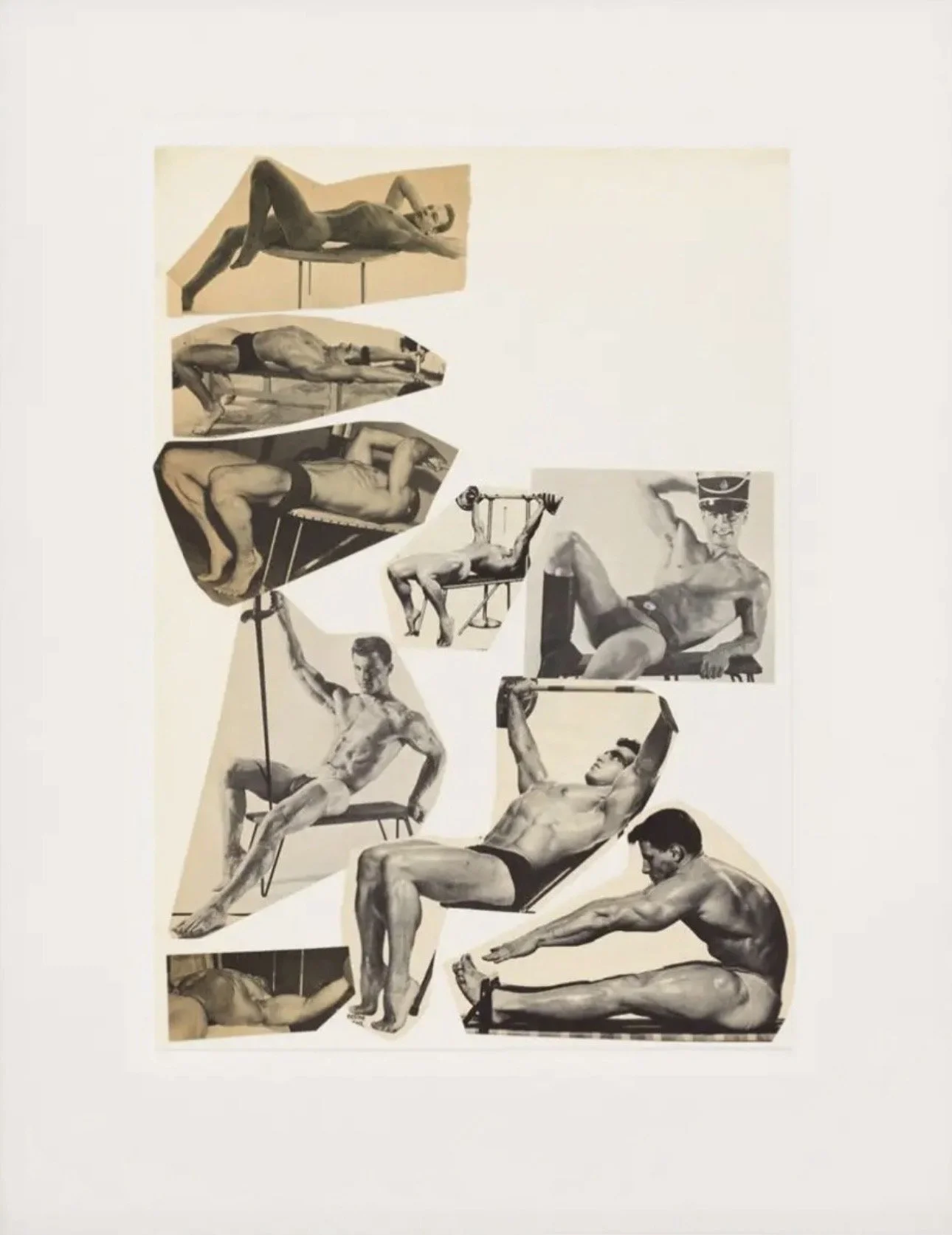
Tom of Finland is known for his drawings, but he also made collages. He cut photographs from physique magazines and arranged them on paper by theme: reclining figures, exercise poses, faces turned upward. The cuts are irregular. The images sit side by side on a plain white page.
Replicating the Method
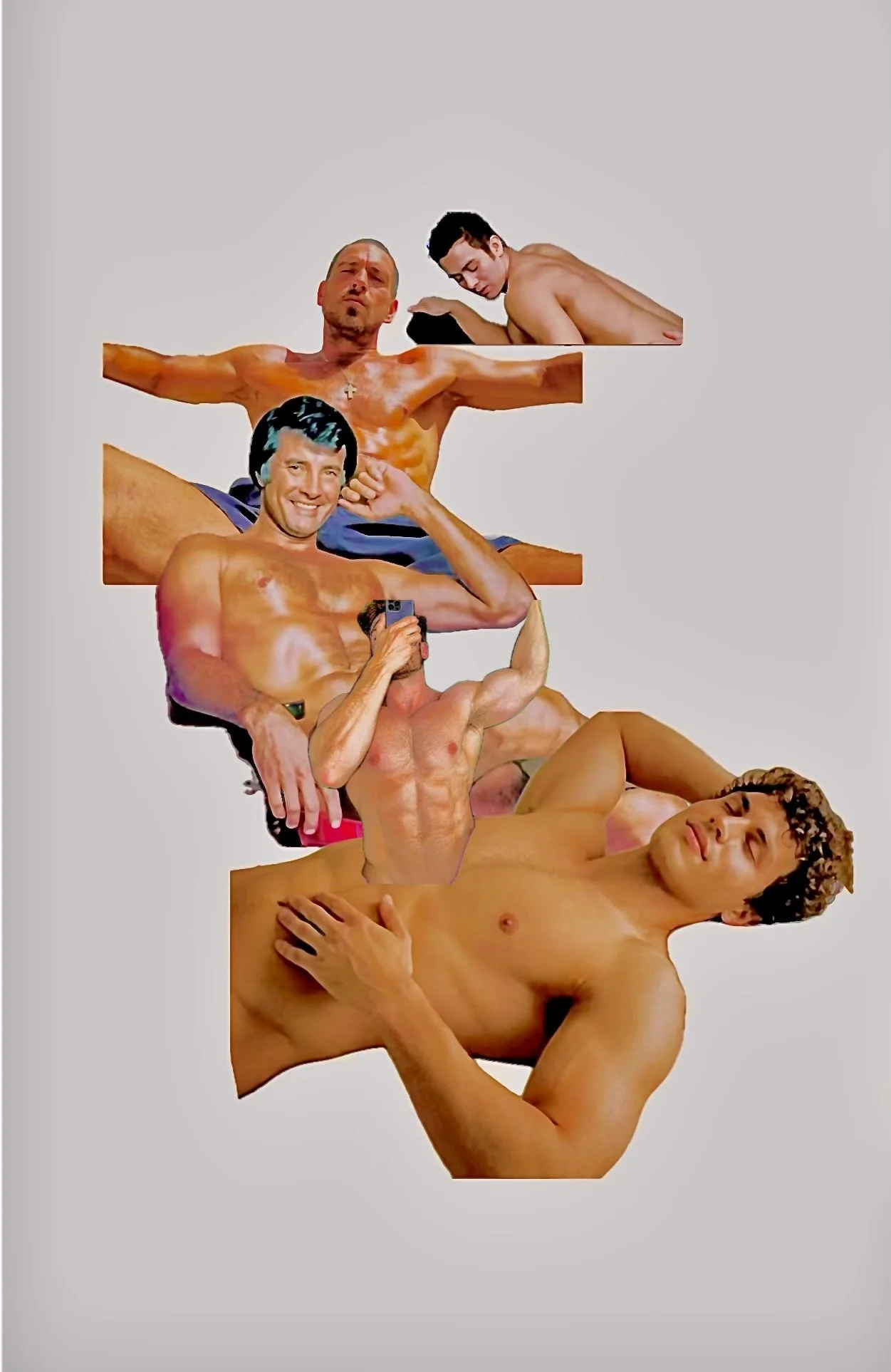
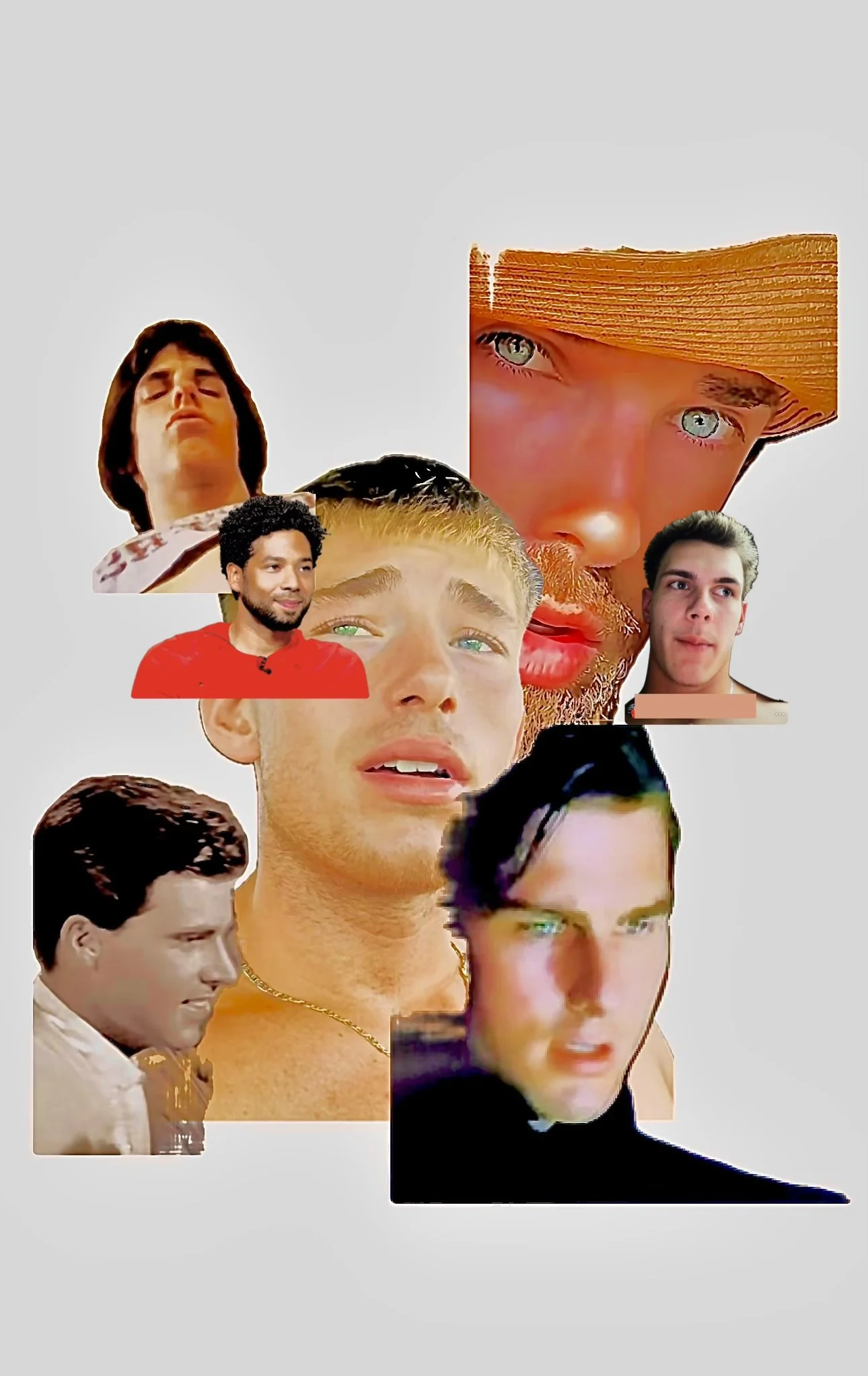
My two digital collages follow his process. One groups reclining bodies. The other groups faces with lifted or distant expressions. I kept his approach of selecting images by a shared pose or mood and letting the repetition carry the piece.
Why Homage Matters
Homage is a form of study. Repeating another artist's process makes their decisions visible: what they selected, how they cropped, where they placed each image. Picasso and Wiley show that homage can also change the meaning of the original. The finished work honors the earlier artist and shows what one artist learns from another.