
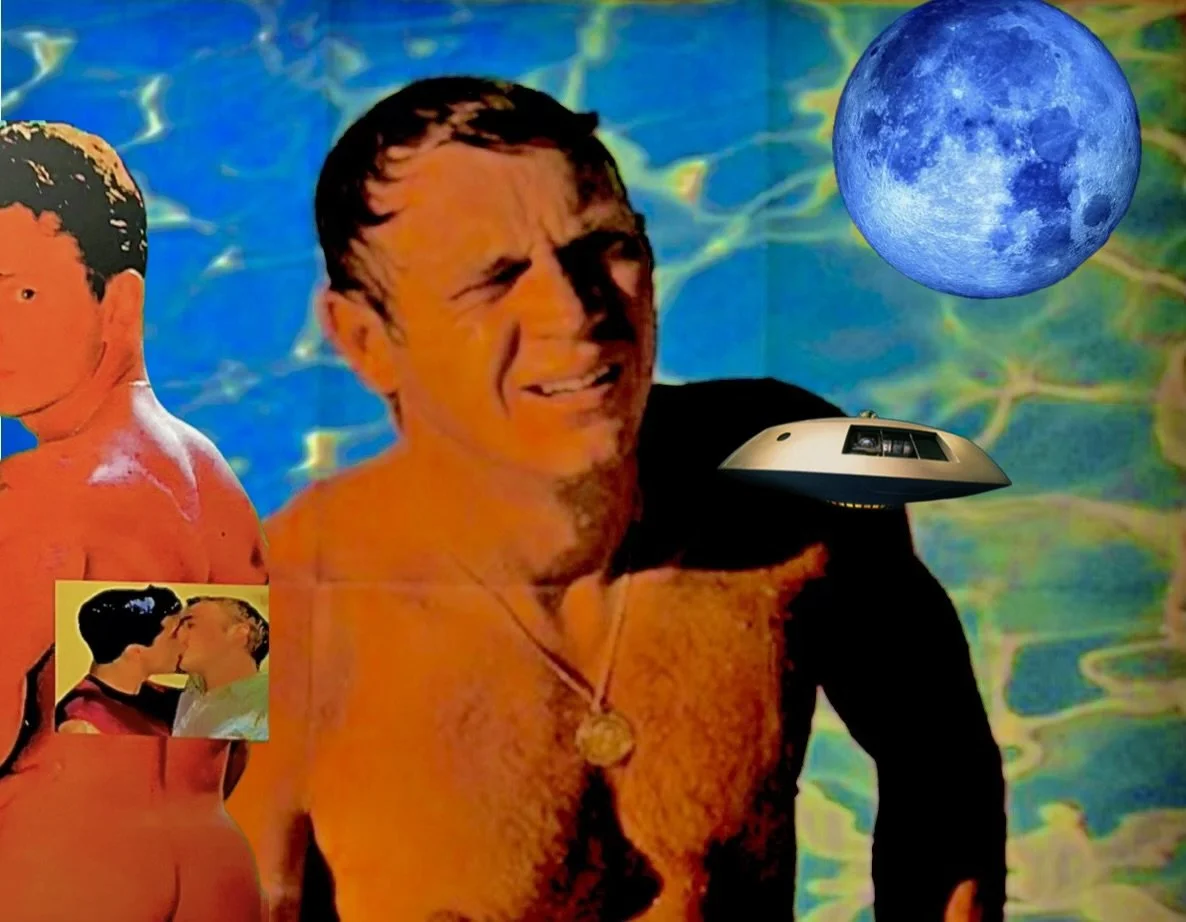
Male bisexuality was part of Hollywood life in the 1950s and 60s, and it was almost entirely kept off the record. The industry knew about it, managed it and profited from it, and it made sure almost nothing was written down.
The general numbers point the same way. In 1948, Alfred Kinsey reported that about 46 percent of American men had either had sex with both men and women or been attracted to both during their adult lives. About 37 percent had had at least one sexual experience with another man. Critics have questioned Kinsey's sampling, but the gap between his findings and the public image of the American man was too large to dismiss. Hollywood was a city of young, ambitious men working in close quarters and judged on their looks and charm. There is no reason to expect less of this there than anywhere else.
The industry's main concern was the image, not the behavior. A leading man had to be believable as a husband and romantic lead on screen and in the fan magazines. What he did privately mattered only if it became public. Studios wrote morals clauses into contracts, and publicity departments arranged dates, engagements and sometimes marriages. Many of those marriages were real. A man could love his wife, raise children and still have relationships with men. The system had no category for him, and it did not need one.
Three things kept this out of the record.
The law. Sodomy was a crime in every state. California's law stayed in place until 1975. Vice police in Los Angeles ran entrapment operations, and an arrest could end a career overnight. Tabloids such as Confidential bought tips from police, private detectives and hustlers. Anything written down could be used as evidence.
The language. Most of these men did not call themselves bisexual. The word was mainly clinical until the 1970s. A man who had sex with other men was assumed to be homosexual, and a married man was assumed to be straight. Men who lived between the two left no label behind for historians to find.
The aftermath. Estates destroyed letters. Studios controlled their own archives. When the gay liberation movement began writing this history in the 1970s and 80s, it mostly asked who was gay. Biographers tended to place each man in one category or the other. Bisexual men did not fit either account and were left out of both.
Gossip is an unreliable source, but the absence of documents is not evidence that nothing happened. The silence was produced deliberately by contracts, police files and publicity departments.
This was a system of silence, and a system of silence catches everyone. When nothing can be said, anything can be suspected.
A man could be straight, gay or bisexual. It made no difference. A bachelor past thirty, a close friendship with another man, a marriage that looked arranged: any of these could start a rumor. No man could disprove one. Denial carried no weight, because denial was what the system required of everyone. For the bisexual man, this cut both ways: his marriage protected him, and the same suspicion that fell on everyone made him indistinguishable from the men around him.
Everyone was suspect. The rumors that survive today attach to men who loved men and to men who never did, with the same force. The closet hid the men it was built for and placed every other man under suspicion with them.
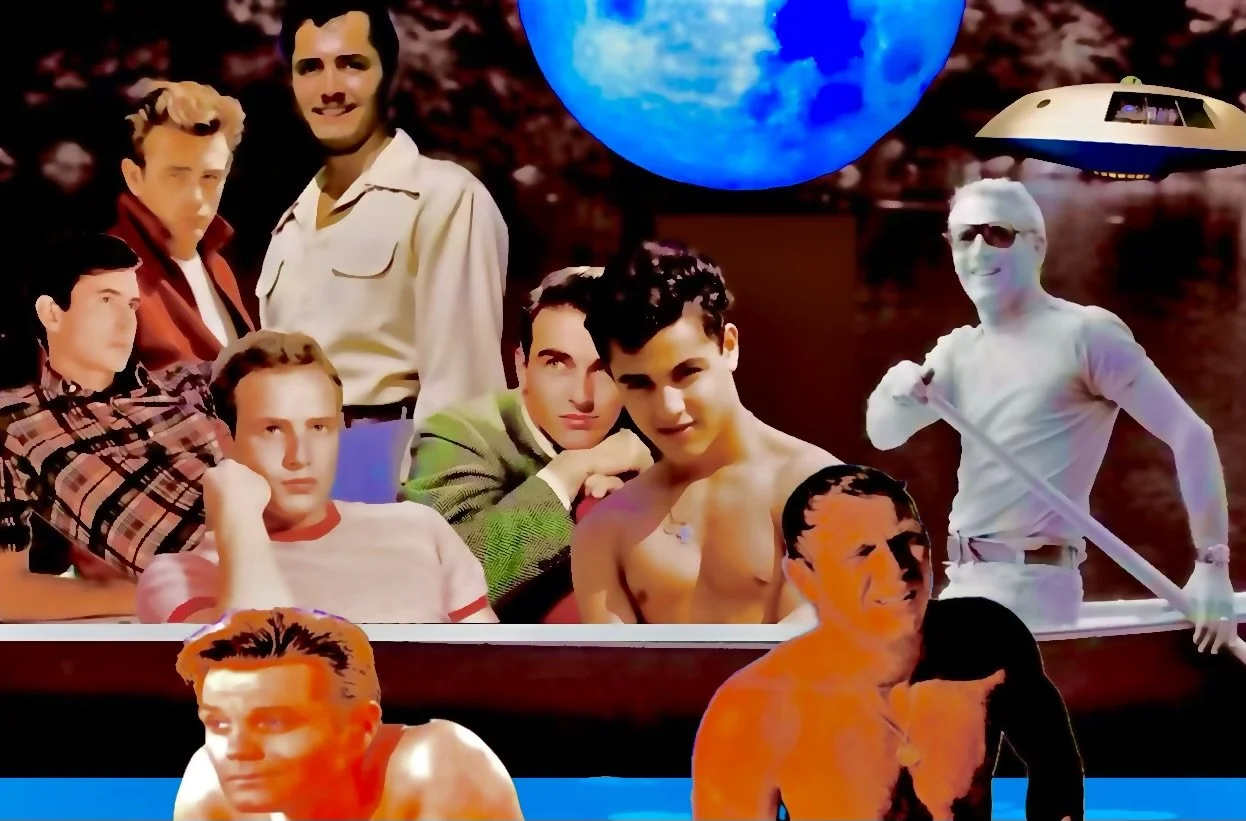
Readers may recognize faces in these collages. That recognition is part of the history. Rumor is how this period survives, and it attaches to every man in the picture, whoever he was.
These men worked inside the most closely watched image industry in the country. They kept two lives running at once, and the industry that depended on them made sure only one was ever printed.