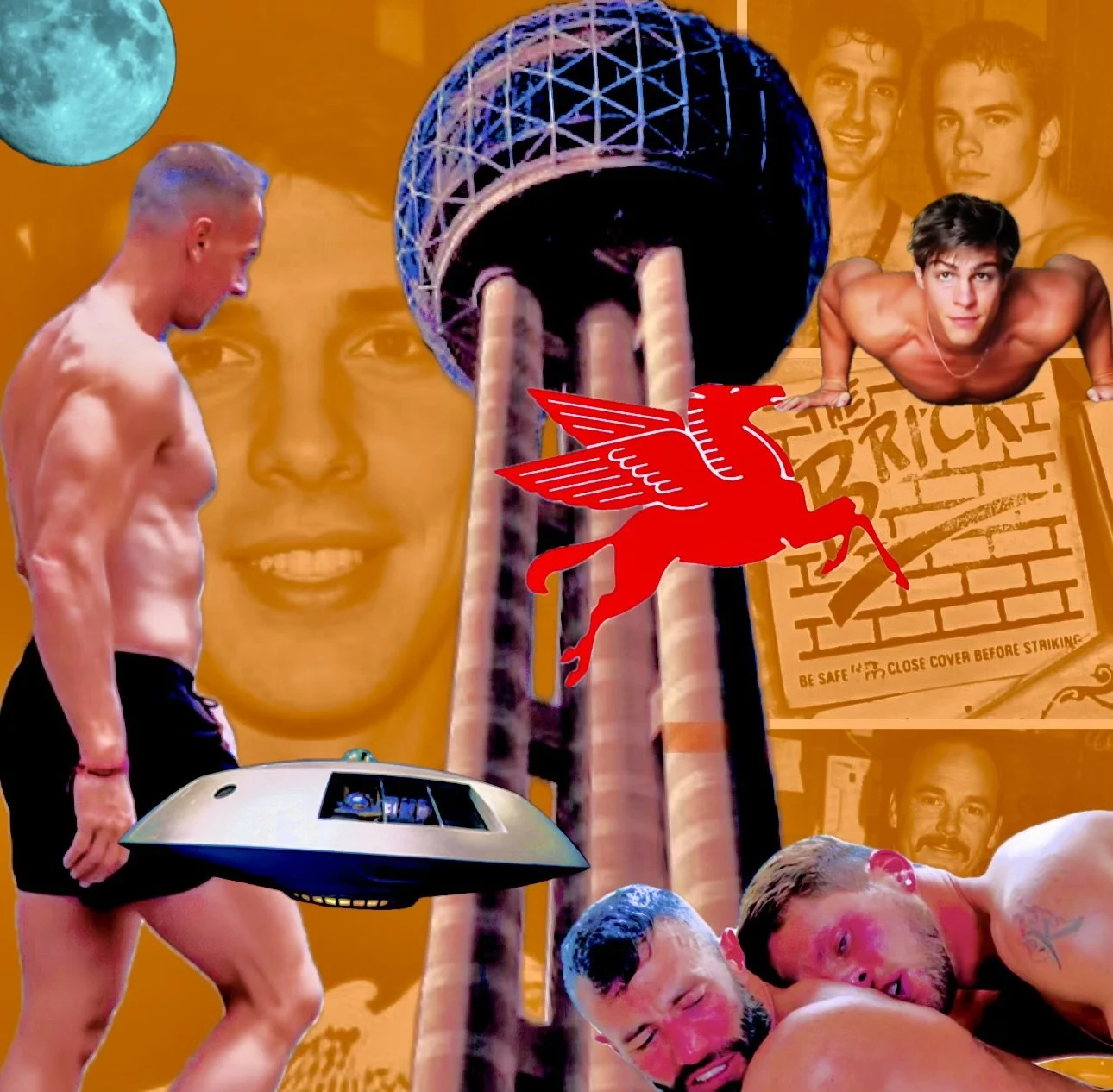
In the late 20th and early 21st centuries, Dallas gay clubs were more like community centers than bars. Unlike Fort Worth, Dallas has always been open to the presence of a gay neighborhood. Though nearby geographically, they are as far apart as you can imagine.
Dallas had a gay community liaison officer for more than a decade before Fort Worth had one. Cedar Springs Road in Oak Lawn is home to more than a dozen LGBTQ+ venues on a single walkable corridor — a density that is genuinely rare in 2026, and Dallas has maintained it for decades. Dallas built its gayborhood from the ground up. Fort Worth did not.
Fort Worth’s relationship with its gay community was defined for decades by silence, absence, and outright hostility. In 2009, just two weeks after the Rainbow Lounge opened, Fort Worth police and agents from the Texas Alcoholic Beverage Commission conducted a violent early morning raid on the club. Officers attacked several patrons. One man, Chad Gibson, was thrown to the floor and handcuffed, suffering a head injury that left him with permanent brain damage. The raid took place on the 40th anniversary of the Stonewall riots. The police chief initially suggested the patrons had provoked the officers. An internal review later found the officers had been heavy-handed, rude, and had no business entering a bar with no history of complaints.
The outrage that followed forced Fort Worth to reckon with itself. Officer Sara Straten, a 17-year veteran of the Fort Worth Police Department, volunteered to become the department’s first ever LGBT liaison officer in the aftermath of the raid. The department disciplined two officers and a supervisor, expanded diversity training, and appointed an openly lesbian officer as liaison to the gay community. It took a man with a brain injury to make Fort Worth do what Dallas had done years before.
Thank you, Dallas. Wake up, Fort Worth.
Sources: KERA News, 2009 | Dallas Observer, 2017 | NBC DFW, 2010 | Dallas Voice | misterb&b Gay District Guide, 2026
The Subdivision | The Gay Domestic