Queer South
The Gay Gaze | The Subdivision
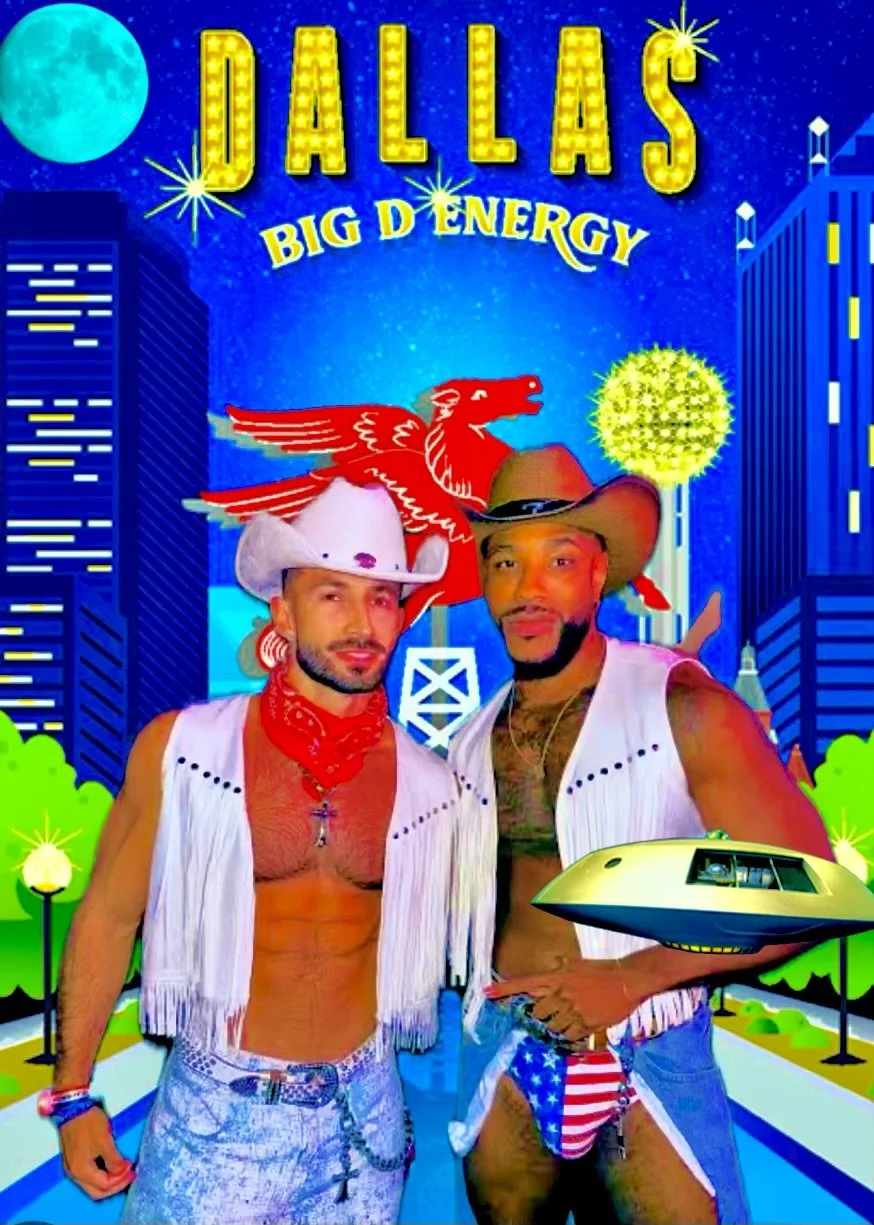
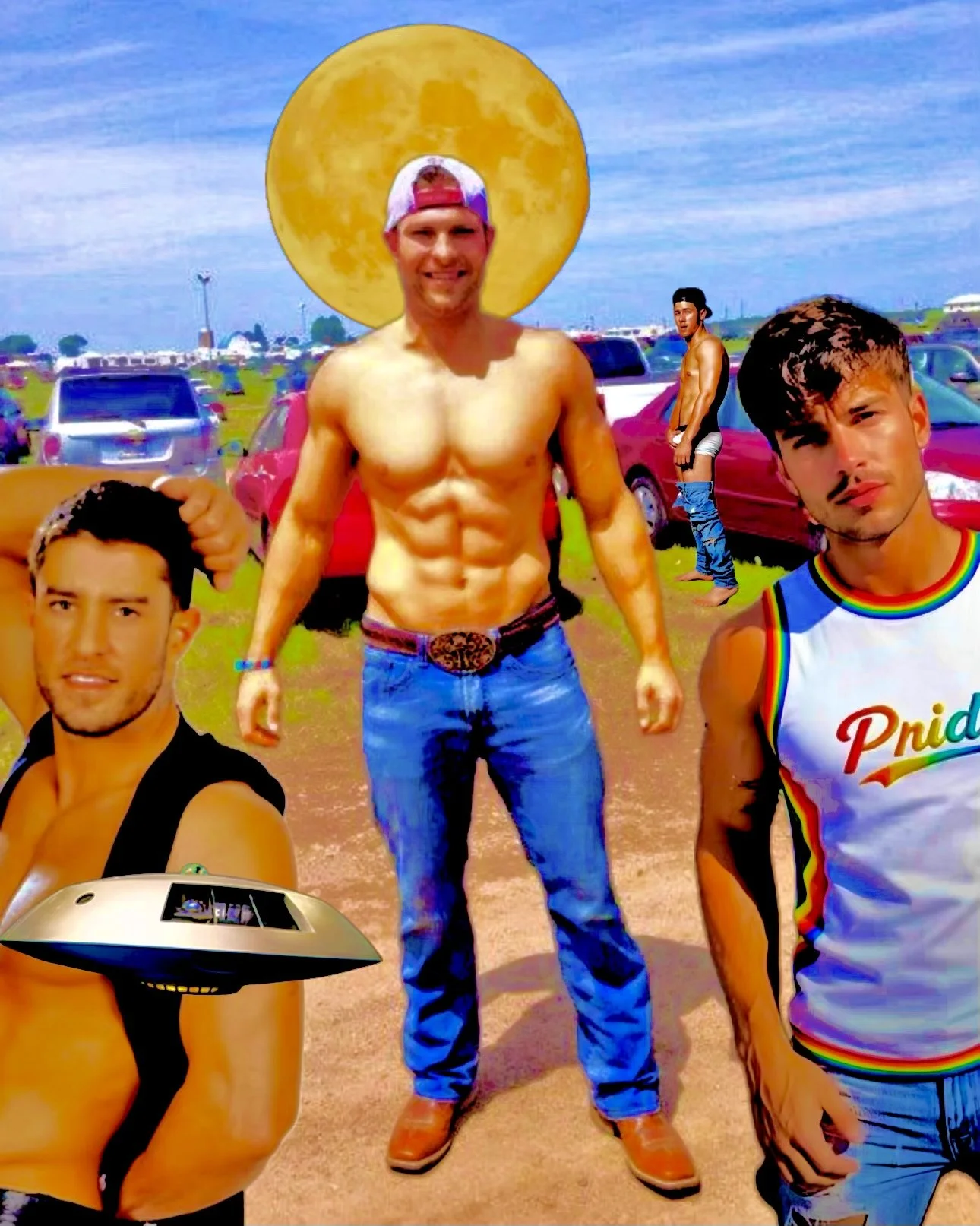
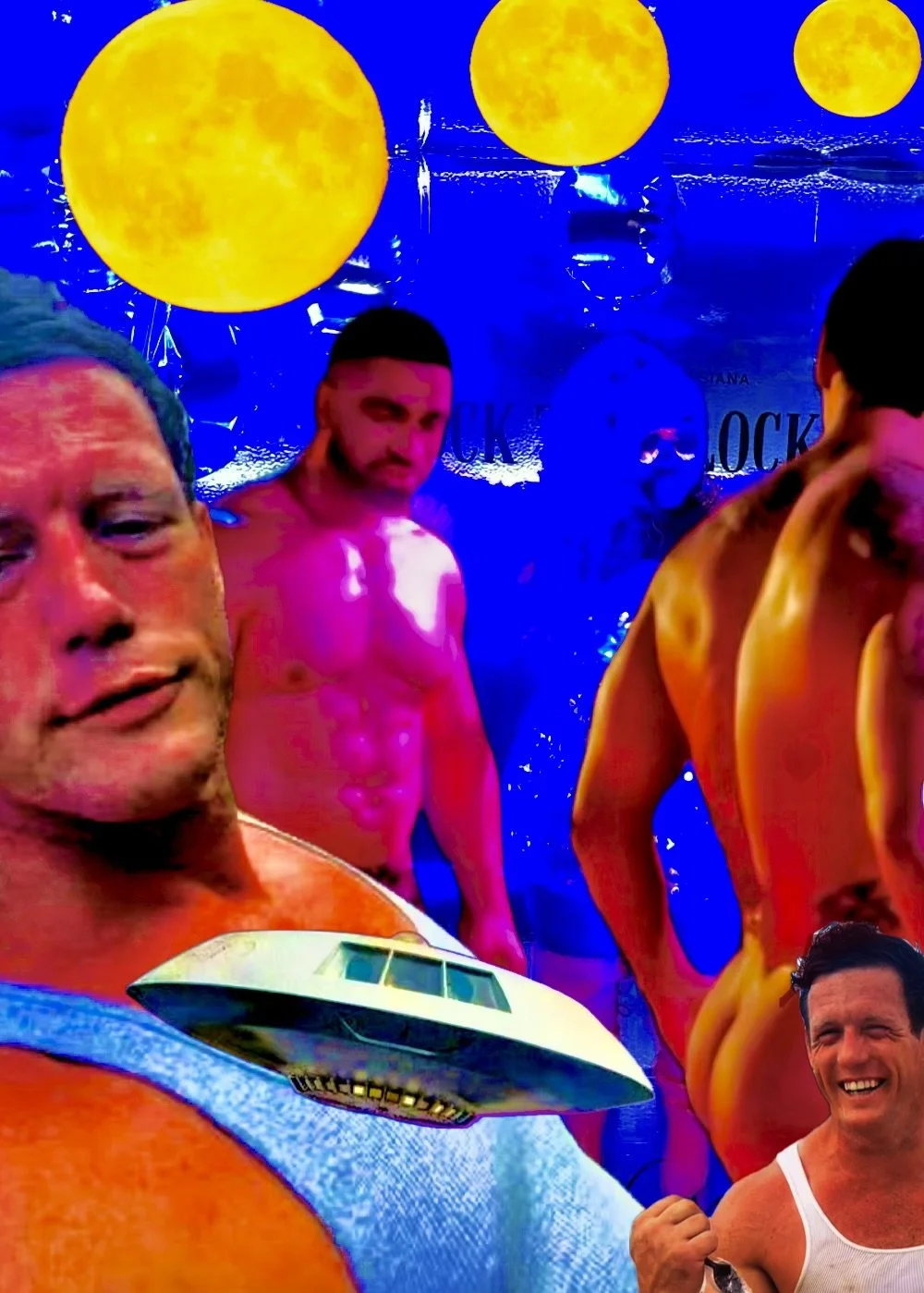
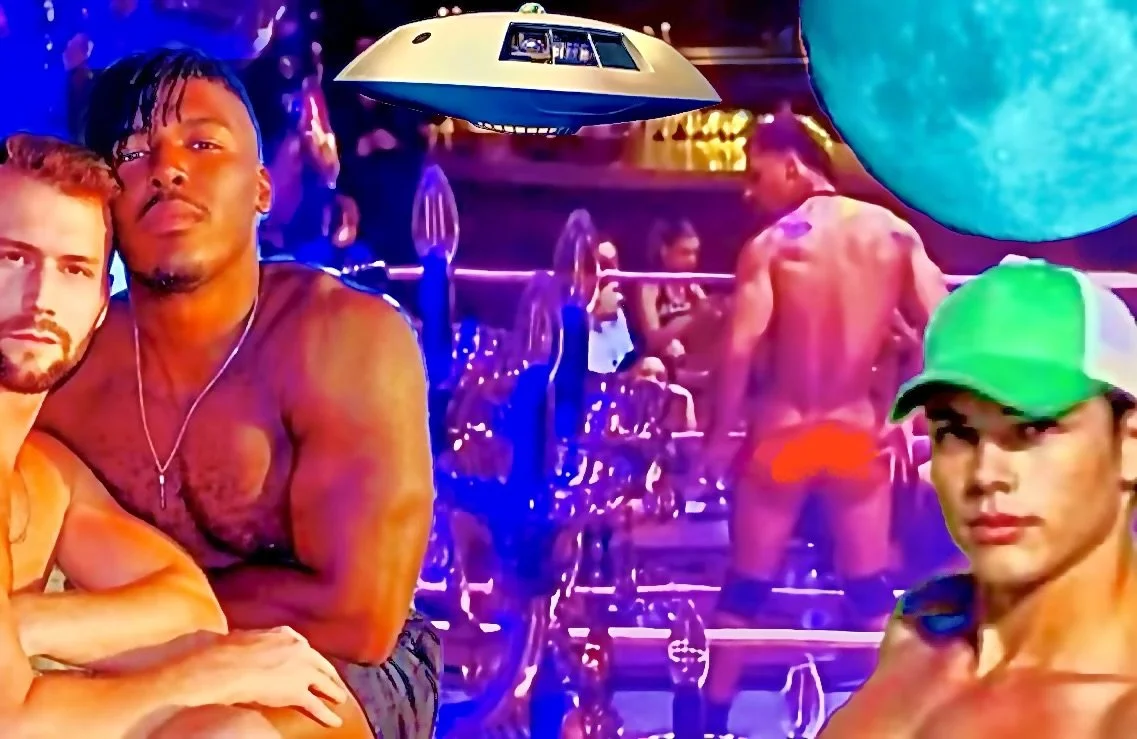
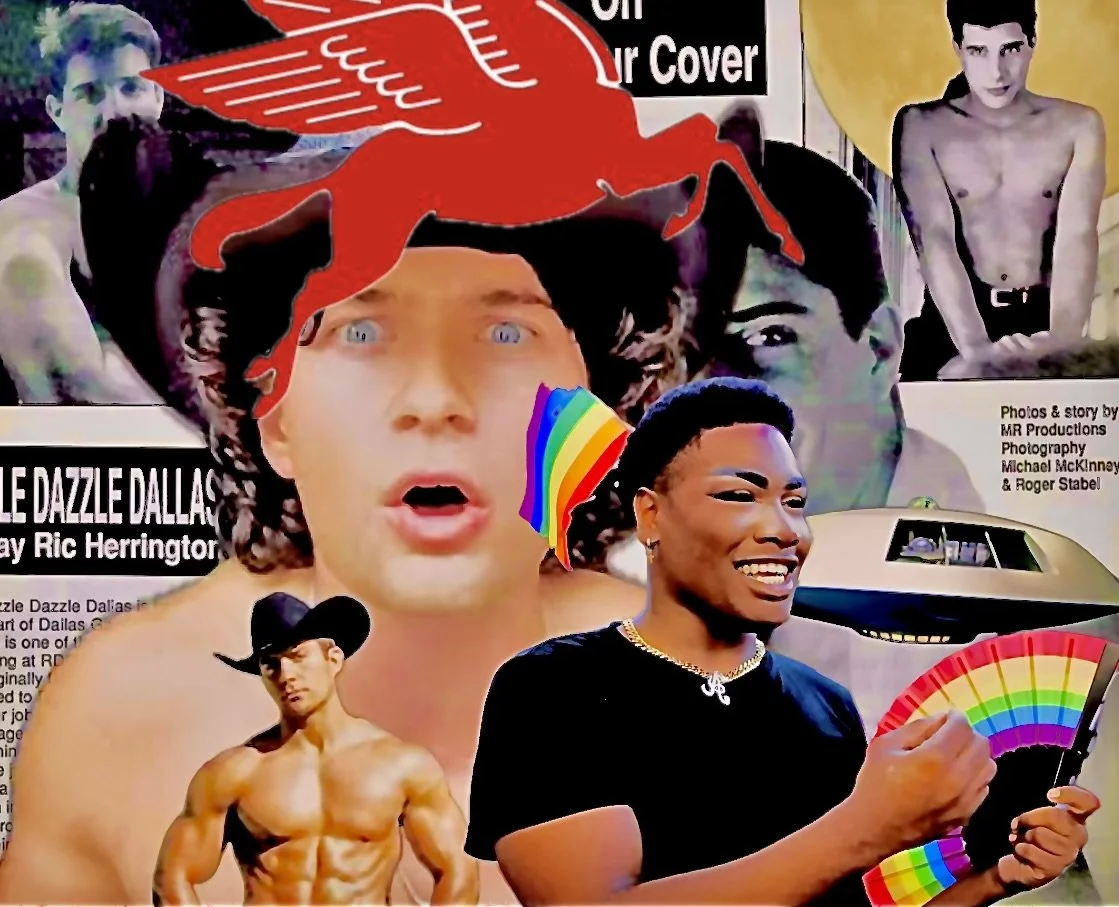
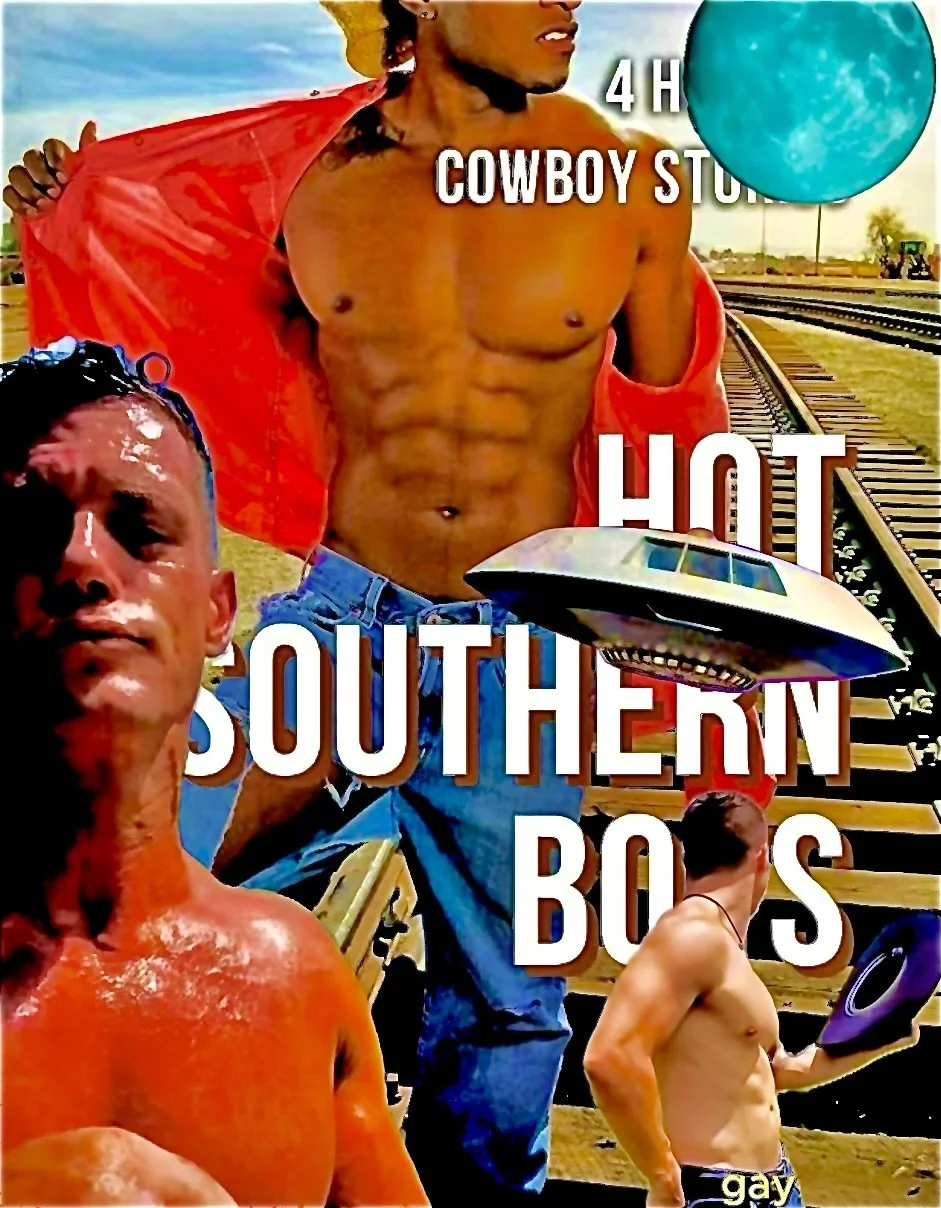
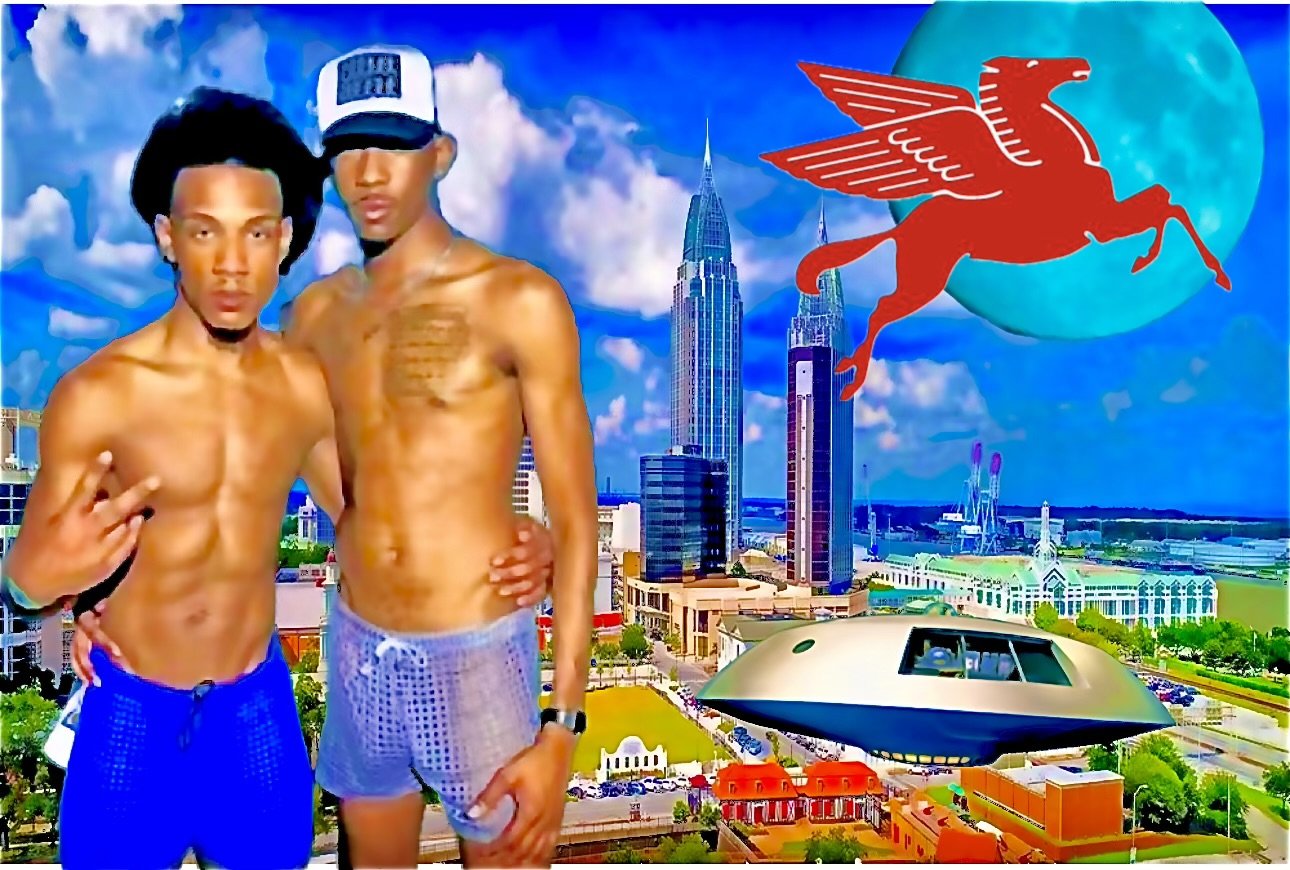
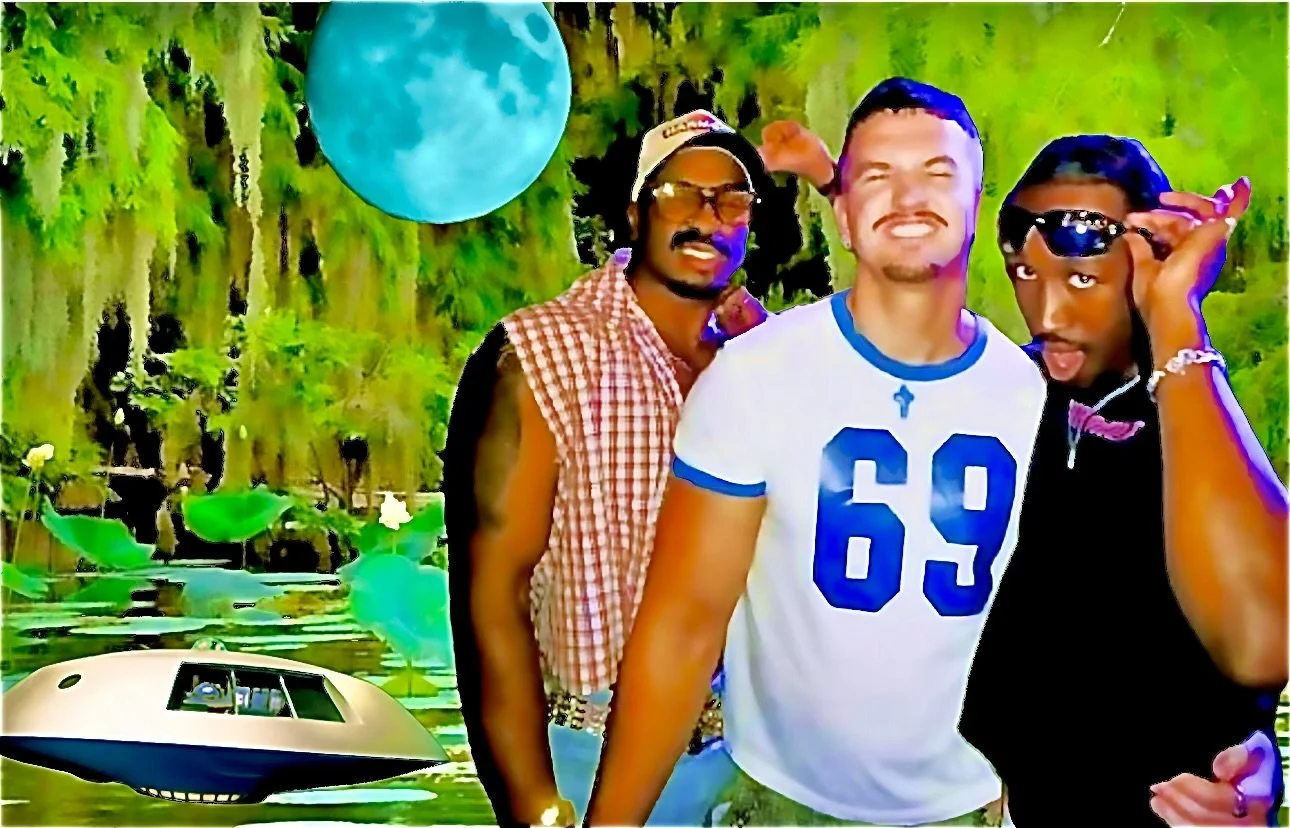
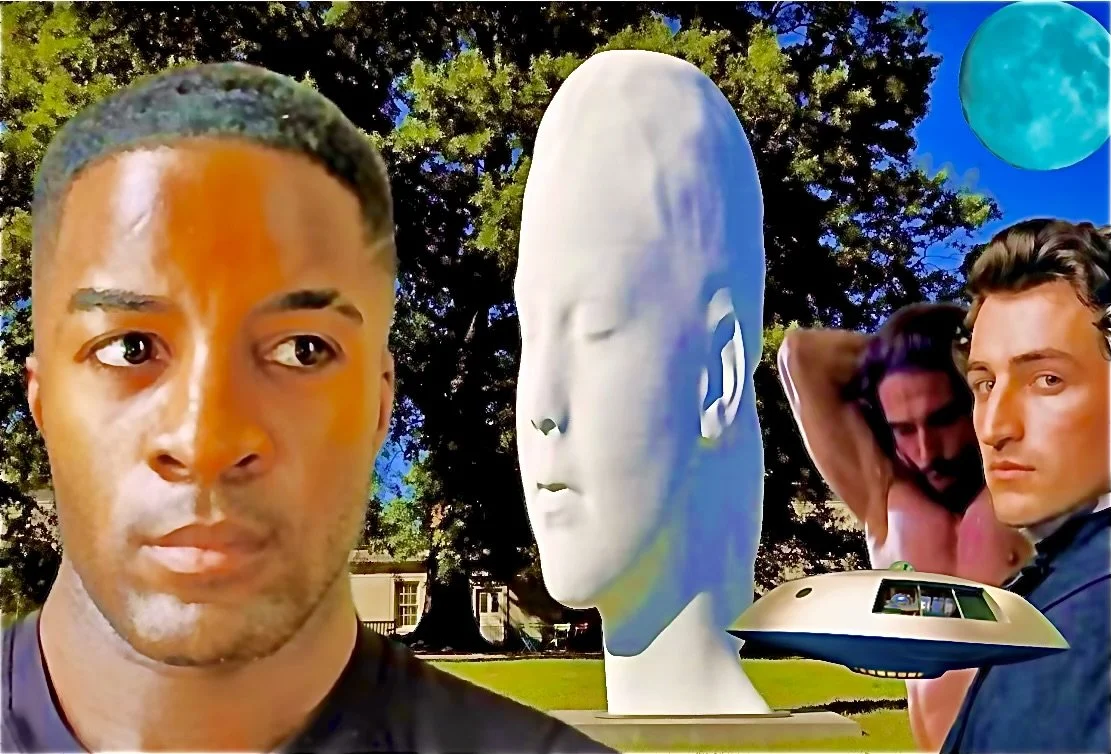
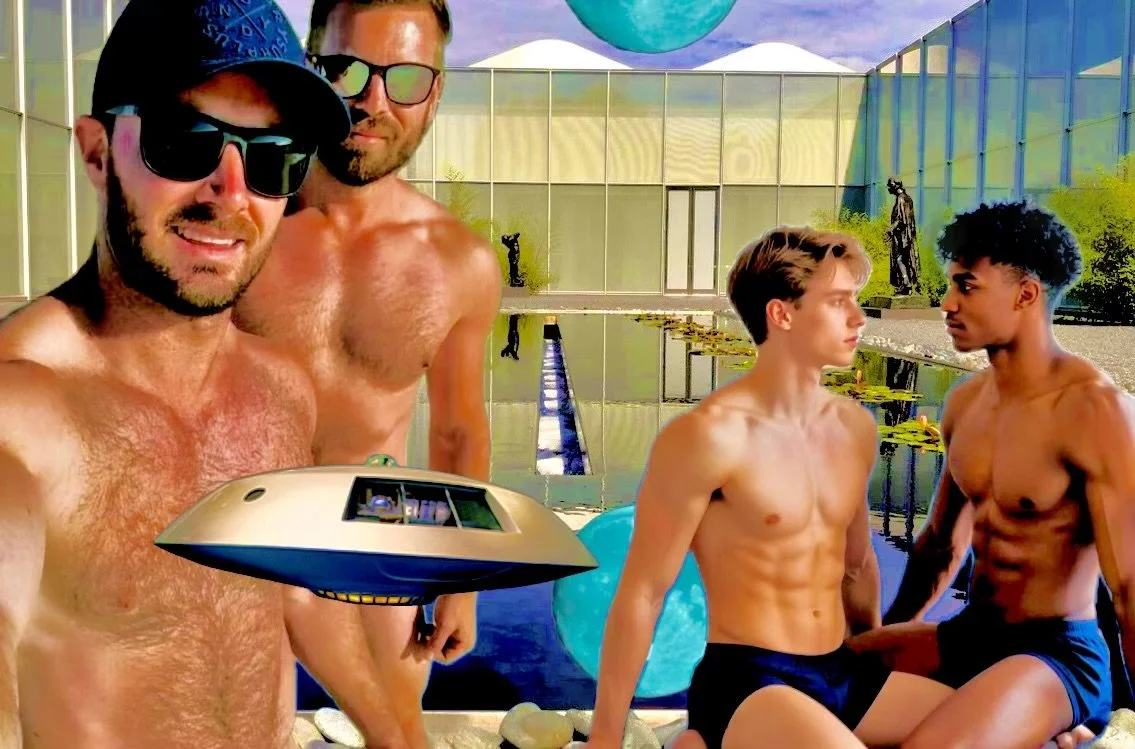
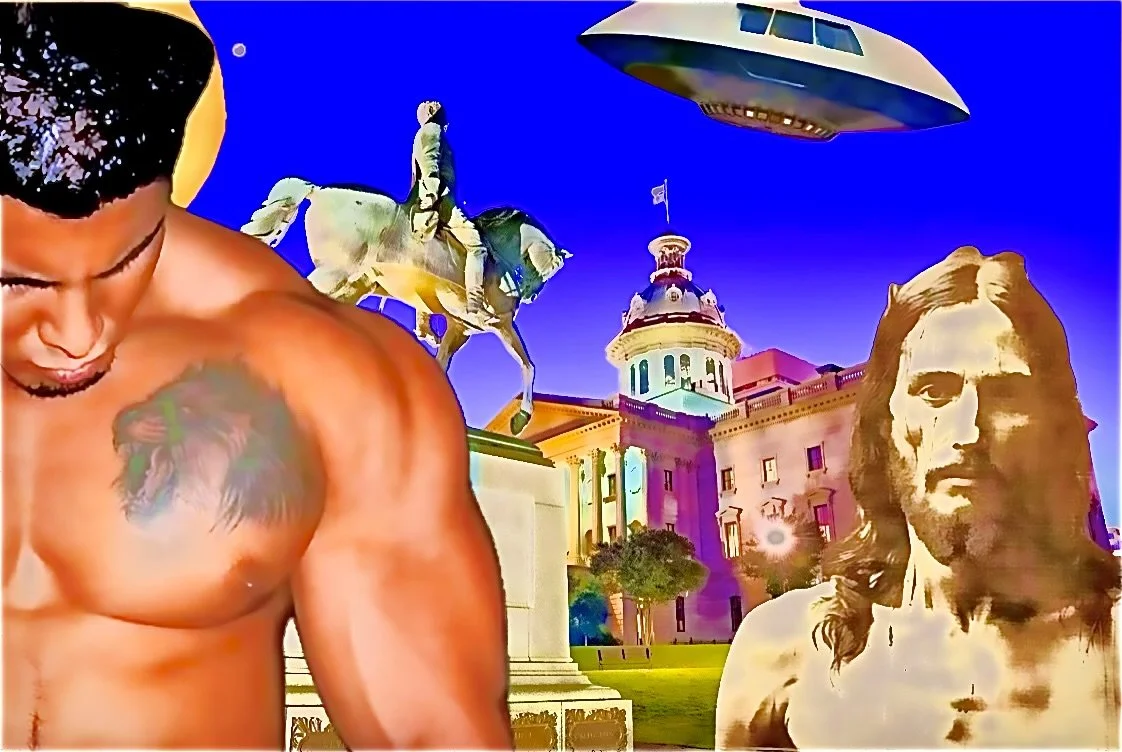
Digital Photo Collage, 2026
More gay Americans live in the South than anywhere else in the country — roughly 35% of the entire LGBTQ+ population of the United States calls this region home. And there is no place in America more hostile to gay life than the South.
Irony is in need of resuscitation.
We are not strangers here. We are not visitors who wandered in from somewhere more tolerant. We are their brothers. Their uncles. Their best friends. Their fathers. We are sitting at their dinner tables and standing at their altars and suiting up in their locker rooms. We are their varsity football quarterbacks. We have always been here. We were born here, the same as everyone else.
The hostility is not directed at outsiders. It is directed at family.
New Orleans has been home to the oldest continuously operating gay bar in the United States since the 1940s. Indigenous nations across the Gulf South recognized and honored multiple genders long before colonization. The Georgia Gay Liberation Front organized one of the first Pride marches in the state in 1971 — sparked, of all things, by an Andy Warhol film screening. The South did not import its queer history. It grew it, quietly, defiantly, in plain sight.
In the 1950s, vibrant queer networks thrived across Mississippi, documented in John Howard’s foundational oral history Men Like That: A Southern Queer History. In 1961, a trans woman named Maxine Doyle Perkins was arrested in Charlotte, North Carolina. She pleaded not guilty, refused her deadname, and drew public attention to the sodomy laws being used against her people. She did that alone, in the South, in 1961. By the 1970s, Nashville was hosting Miss Gay America, one of the earliest and most significant drag pageantry competitions in the country. The South wasn’t following the coasts. In many ways, it was leading.
The Black queer Southern experience runs through all of it, deep and largely untold. E. Patrick Johnson’s landmark oral history Sweet Tea: Black Gay Men of the South documents lives that were rich, complex, and fully lived — inside a culture that pretended otherwise. Southern queer history is inseparable from racial justice and regional folklore. The two have always moved together, even when neither was welcome.
Big D. Hotlanta. The Big Easy. Cities that have built thriving, visible, unapologetic queer communities inside states that are actively working to legislate those same communities out of existence. The urban oases exist because the people in them refused to leave, refused to hide, and refused to stop being Southern. Atlanta has been called the gay epicenter of the South. New Orleans hosts Southern Decadence every Labor Day — a six-day festival that began in 1972 as a small gathering of friends and grew into one of the largest queer celebrations in the country. These are not imports. This is native culture.
And yet the legislation keeps coming. The hostility keeps coming. Directed not at strangers, but at the quarterback, the uncle, the best man at the wedding, the boy who grew up three houses down. The South contains the largest share of queer Americans in the country and produces some of the most aggressive anti-queer policy in the world. That is not a coincidence. That is fear. And fear, as history has shown, is no match for people who were never going anywhere to begin with.
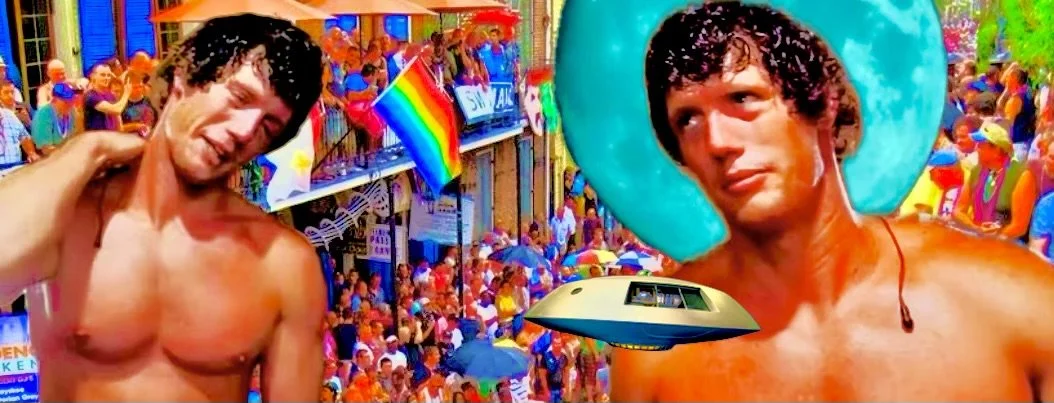
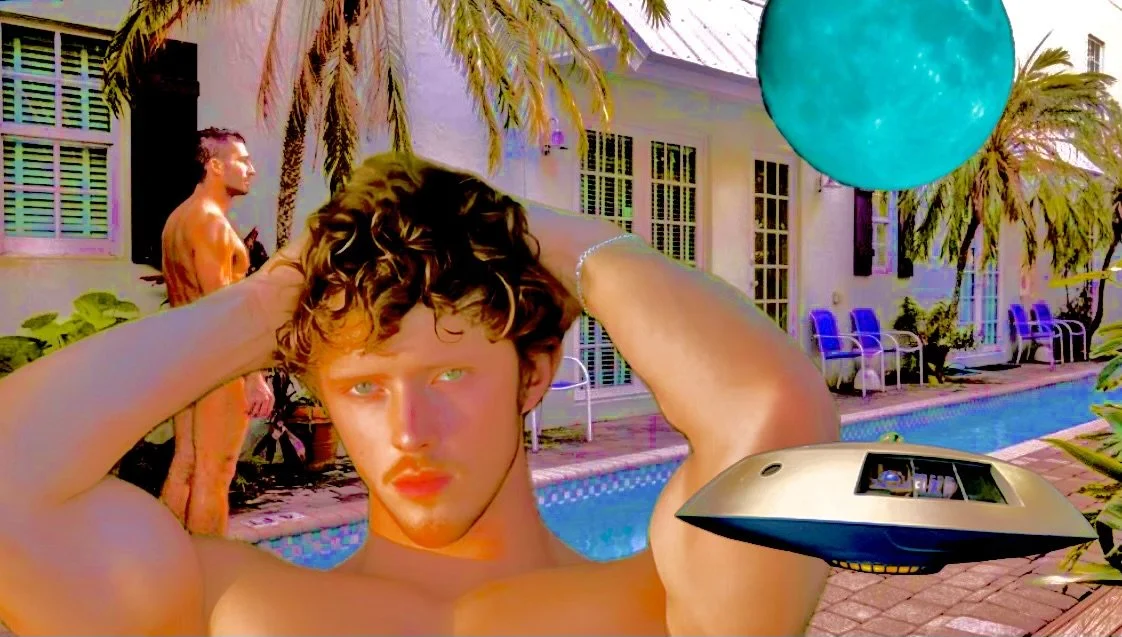
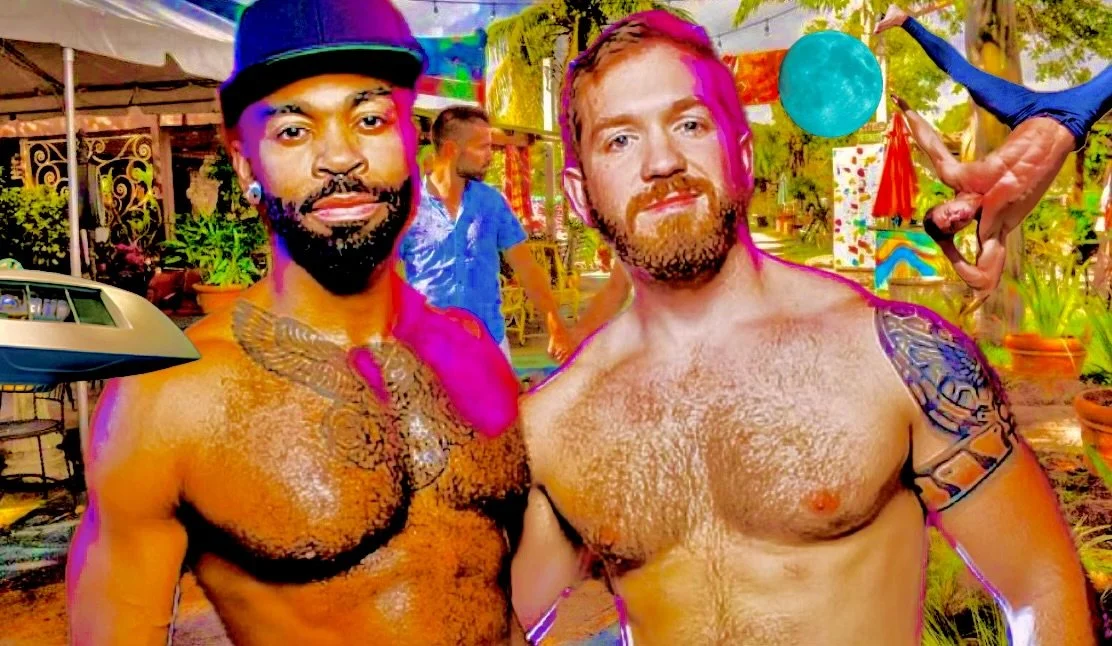
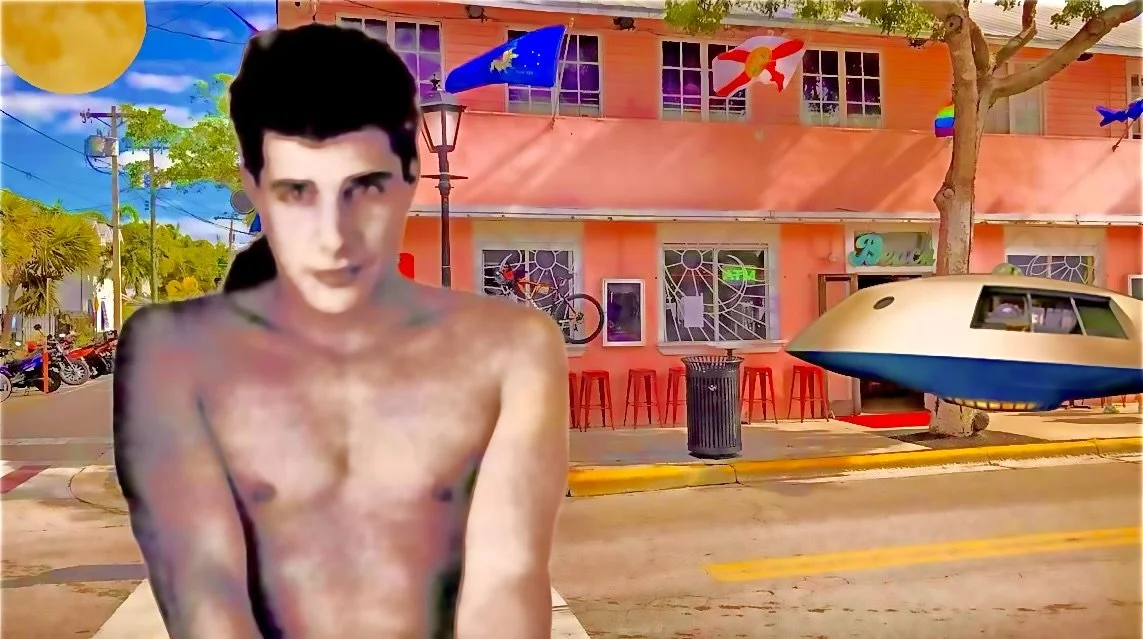
The collages in this suite celebrate what the legislation refuses to acknowledge — the extraordinary social, ethnic, and cultural diversity of queer life across the American South. These are real men, real communities, real cities. Dallas. New Orleans. Atlanta. Key West. Black, white, brown. Cowboys and club nights and courtyard pools and statehouse steps. The politics play out in the halls of state and the halls of Congress. The lives play out everywhere else.
The queer South keeps rising. Sometimes even three or four times in one night.