Two Symbols of the Male Figure Juxtaposed
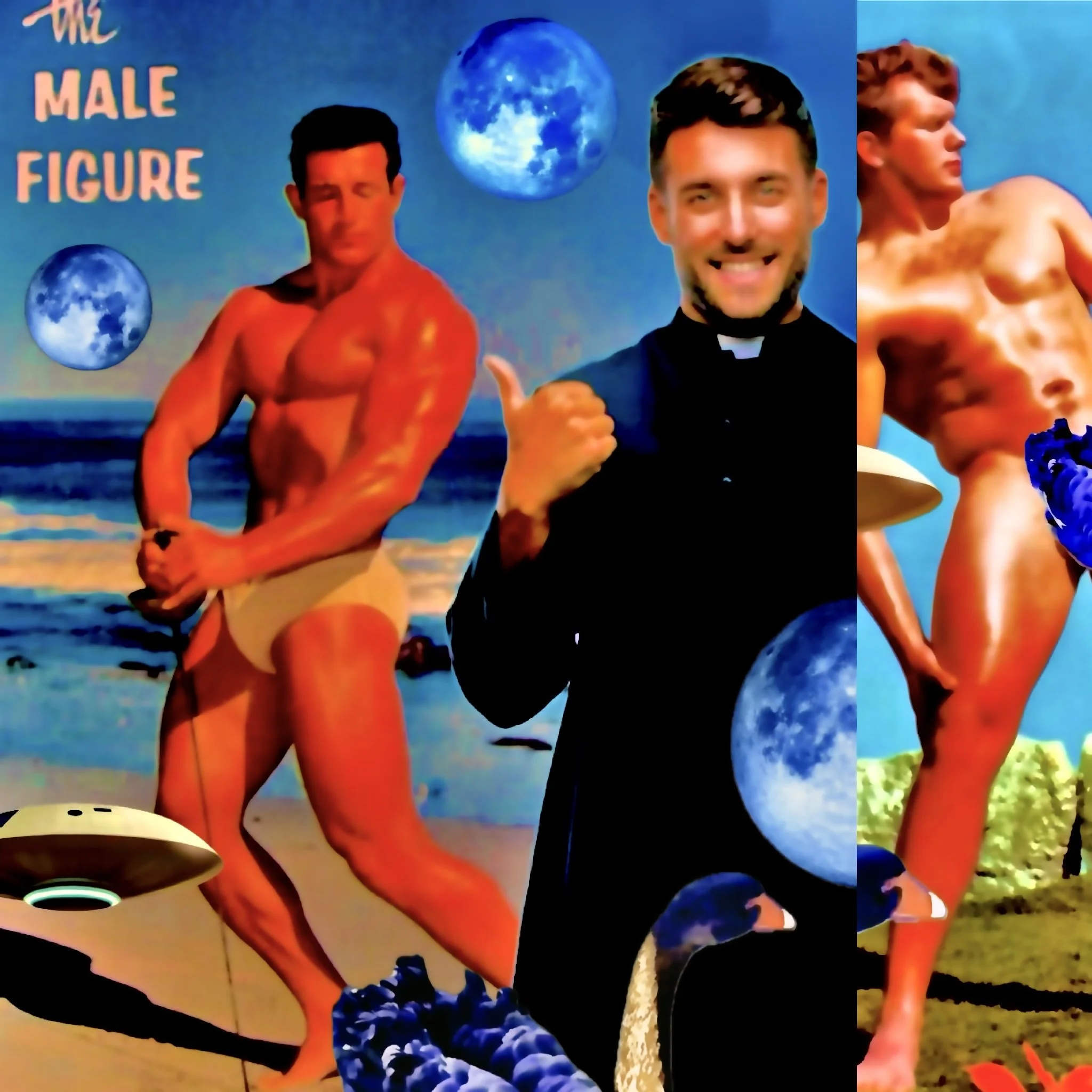
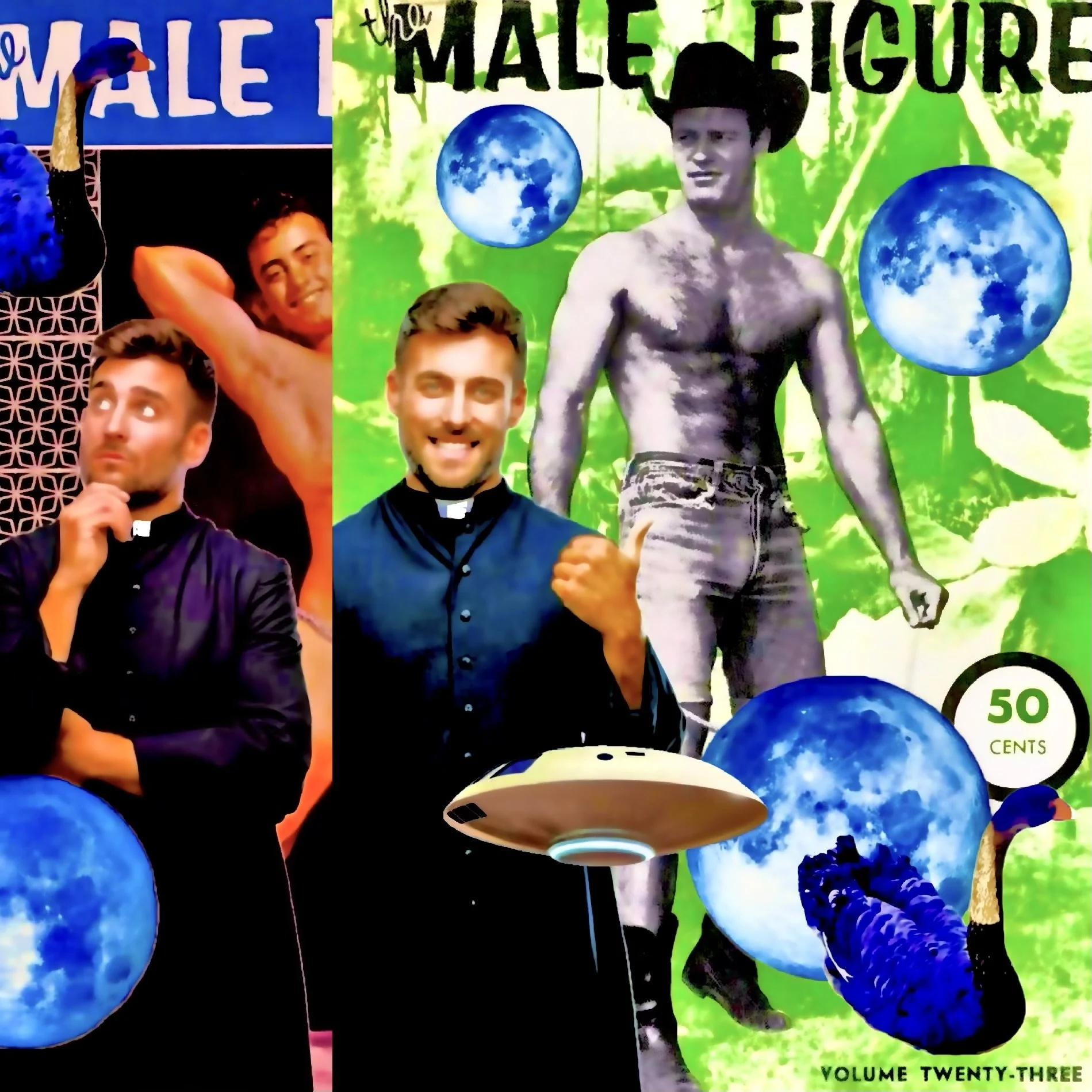
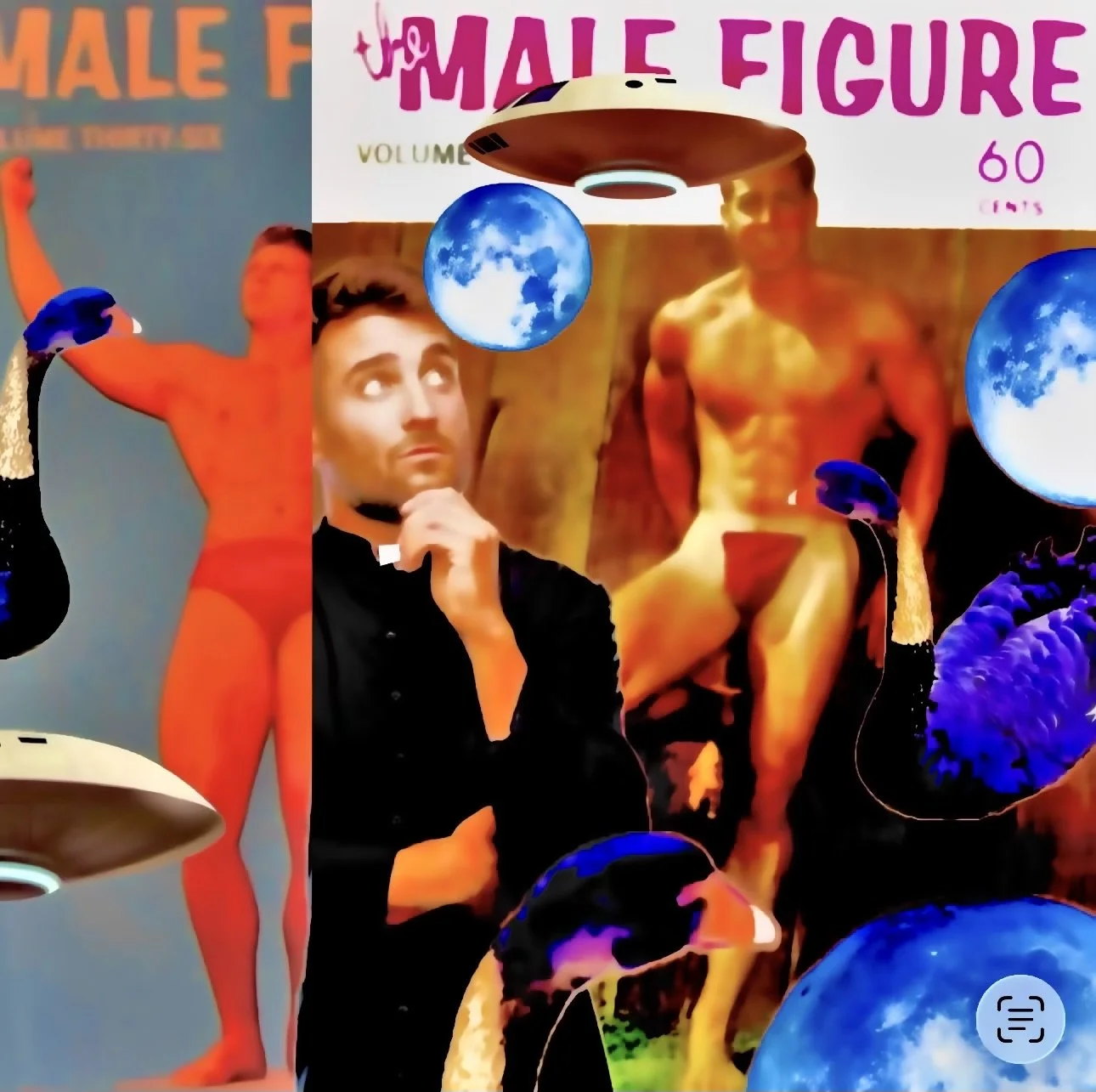
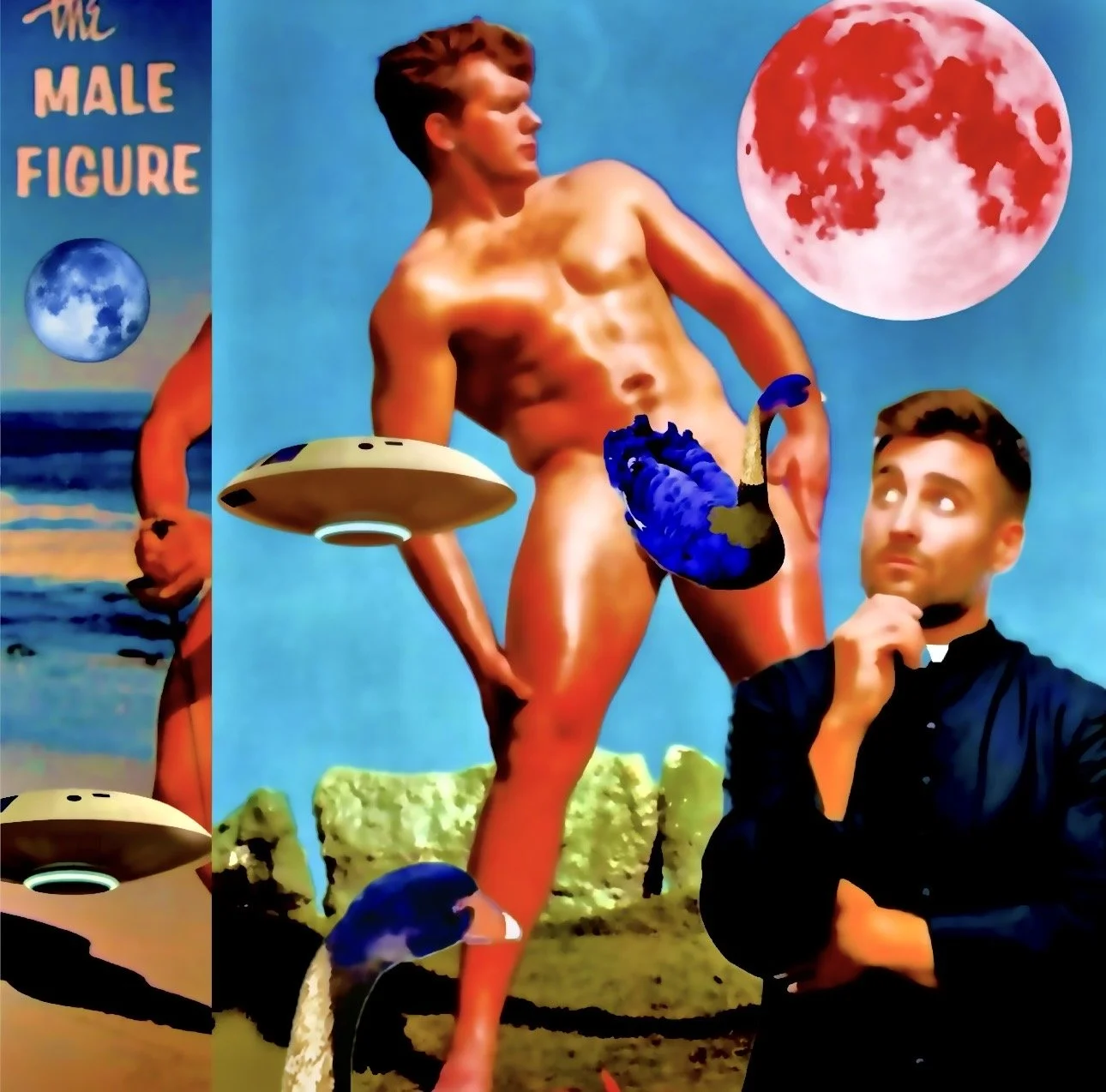
The beefcake model and the priest function in American visual culture not as depictions of real individuals but as abstractions — symbols constructed to reach toward a form of idealized, almost divine status rather than ordinary human identity. Each figure is stylized past the point of individual personhood into something closer to an archetype.
The Icons
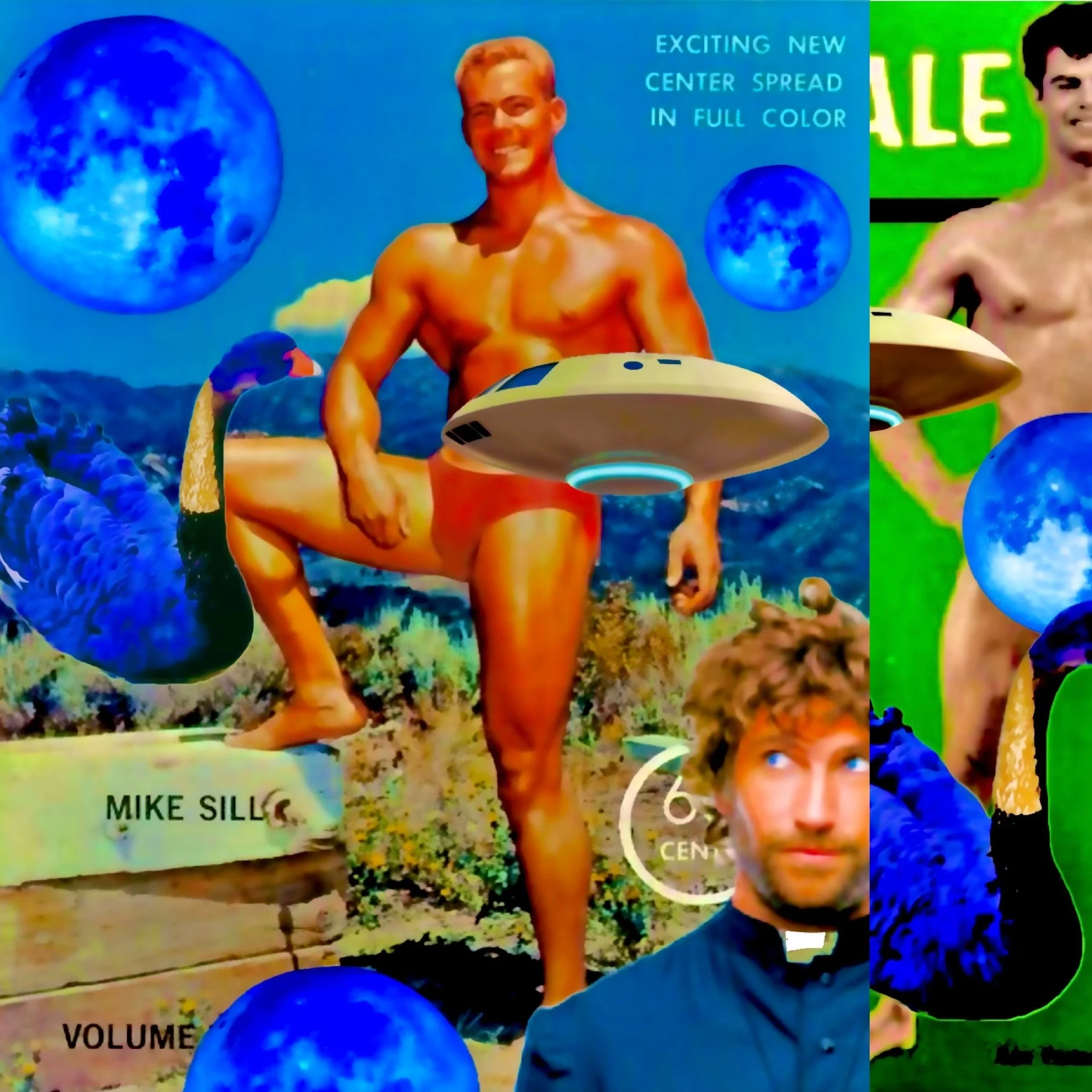
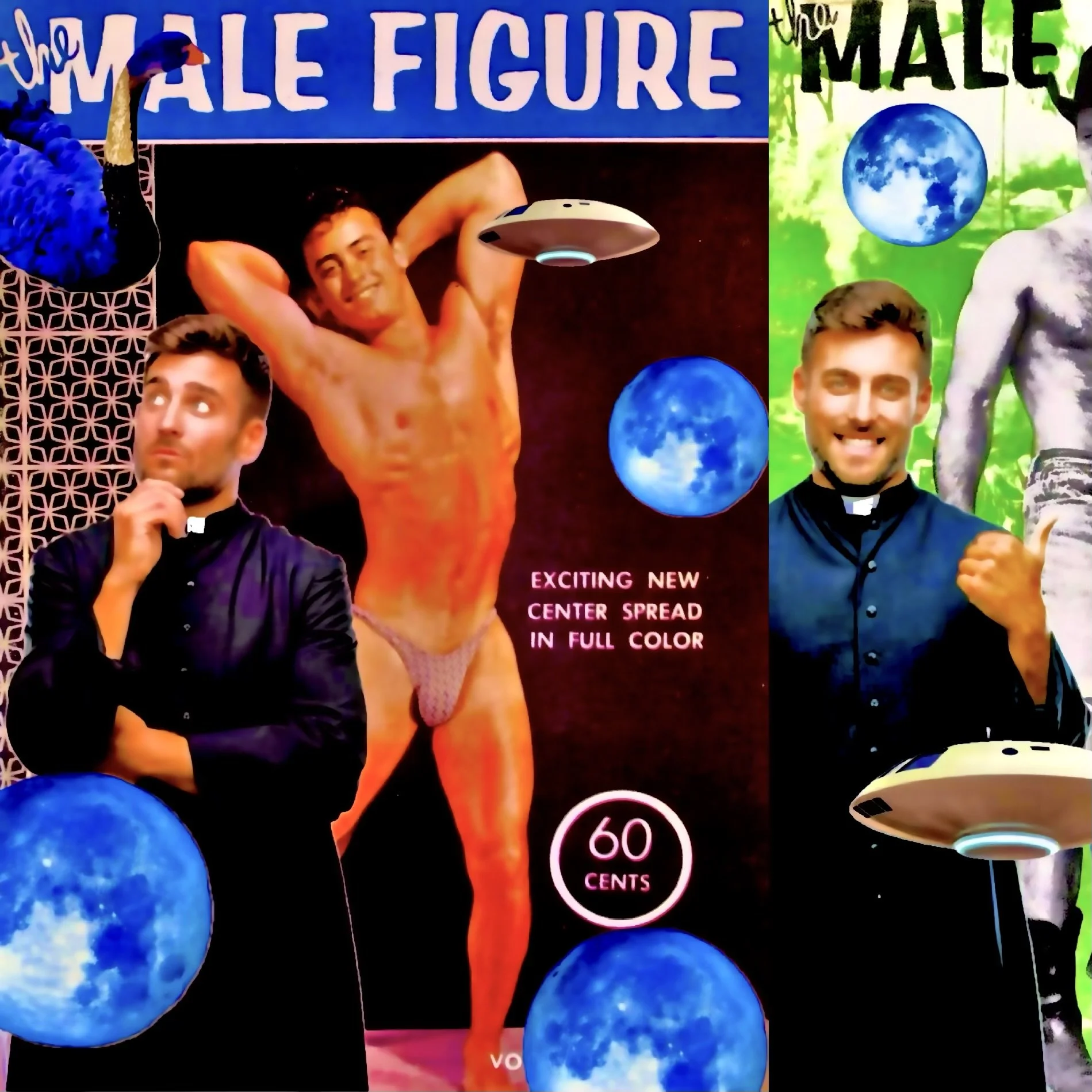
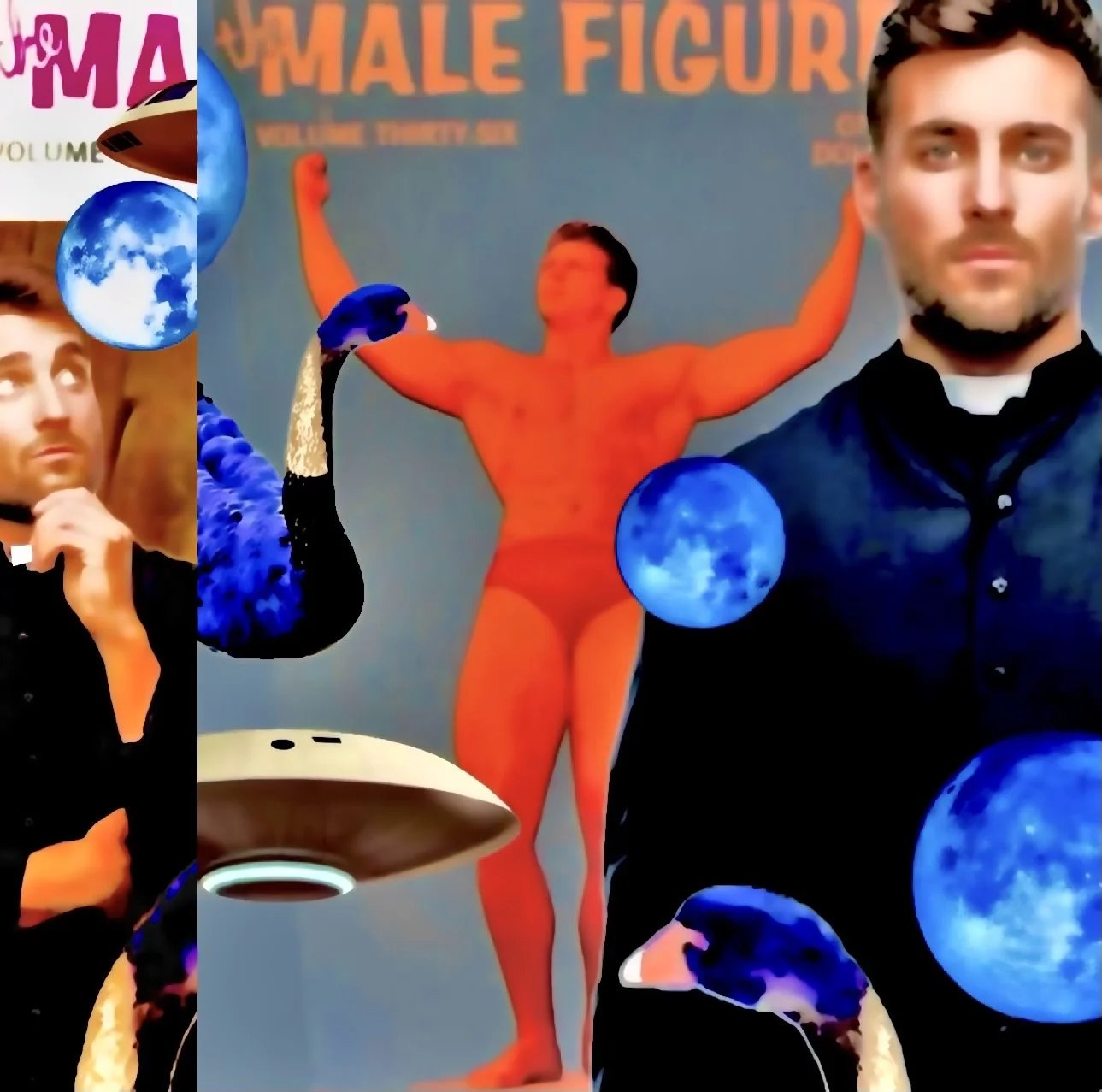
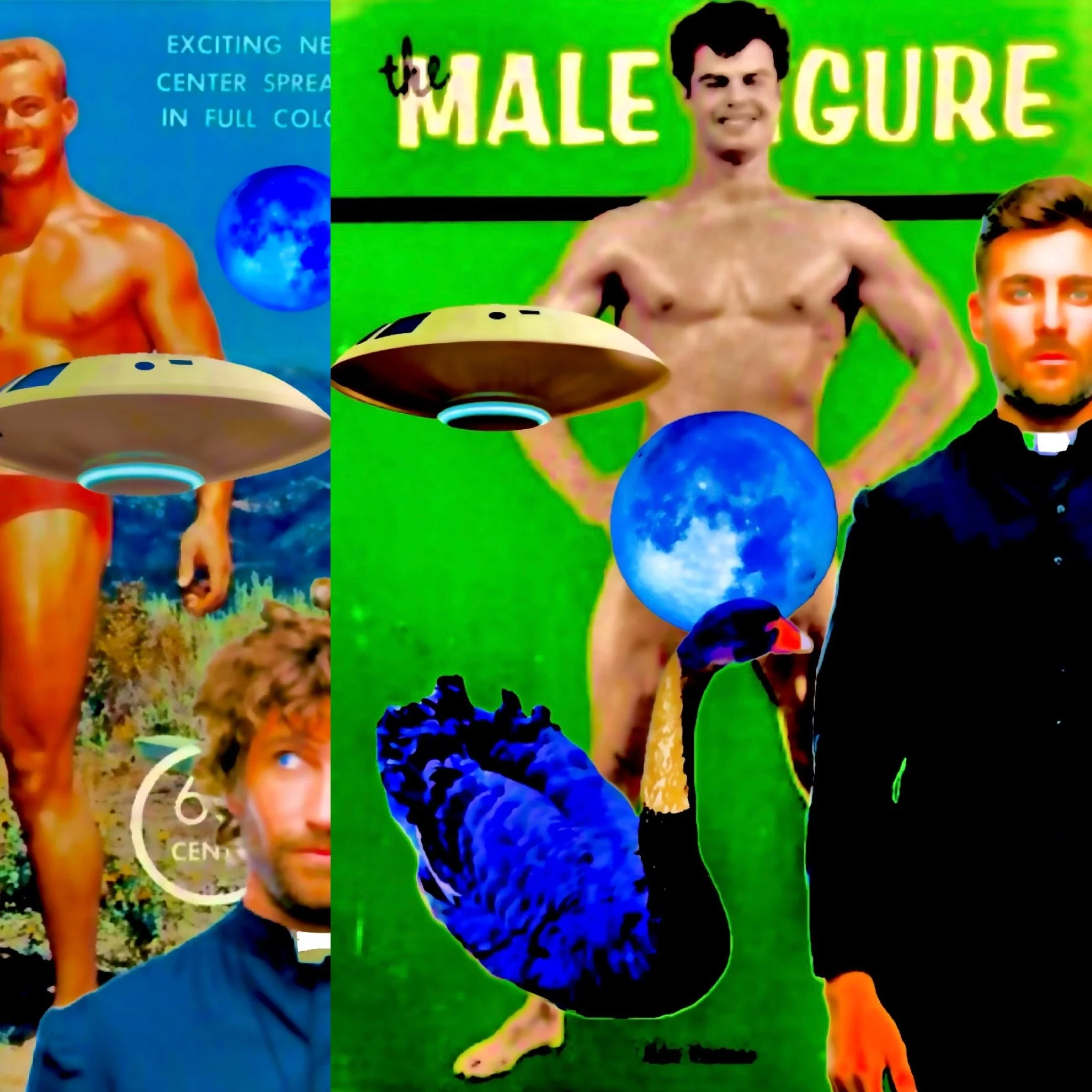
The beefcake figure descends from mid-20th-century physique photography and bodybuilding culture, later absorbed into advertising and gay visual media. Its visual grammar emphasizes bare skin, muscular definition, a light-catching surface (oil, sweat), and poses that invite the viewer’s gaze rather than avoid it. The body itself carries the entire meaning of the image.
The priest carries an opposite visual grammar: the black cassock or collar, minimal exposed skin, and vertical lines suggesting discipline and distance rather than invitation. His iconography signals authority, celibacy, and proximity to the sacred — the body deliberately obscured and subordinated to institutional role.
The Conflict
The two figures conflict along the axis of visibility versus concealment, indulgence versus restraint. The beefcake represents desire made available for consumption; the priest represents desire deferred or denied by vow. Popular culture frequently stages this conflict directly — placing a symbol of bodily restraint into proximity with a symbol of bodily display generates narrative and visual tension precisely because the two figures are built to oppose one another.
The Convergence
Both figures carry an erotic subtext specific to gay culture, and this is where the two archetypes meet most directly. The priest’s vow of celibacy and the model’s staged unavailability produce a shared quality: both are positioned as out of reach. The priest is withheld by sacred obligation; the beefcake, despite his visibility, is withheld by the fact that his image is designed for looking rather than access. This shared inaccessibility gives both figures a “forbidden fruit” quality within gay cultural imagination — desire directed at something structurally set apart, whether by vow or by the conventions of display. The erotic charge in each case depends less on explicit content than on distance: what is set apart, restricted, or ritually protected becomes, by that same mechanism, an object of heightened want.
The Accents
Three accent symbols run beneath both figures: the blue moon, the black swan, and the Jupiter phi. The blue moon stands for desire itself — the rare, singular pull that draws the eye to either figure. The black swan stands for the naturalness of homosexuality — a corrective to the idea that either archetype represents something aberrant rather than simply another expression of nature. The Jupiter 3 stands for freedom — the possibility that both figures might step outside the confines of their inaccessibility, priestly vow or model’s staged distance alike. Together, these accents point past the symbol to the person underneath it. Beneath the icon and the collar, this is, at heart, an account of two men.
Pizza anyone? Or Can Either of These Two Guys Ever Get Laid?
The persistence of both figures — and their collision in narrative and image — reflects an American discomfort with reconciling body and spirit, indulgence and discipline, as compatible rather than opposed. Their pairing tends to generate cultural fascination because it makes explicit a tension most people experience privately: the pull between sanctioned restraint and permitted indulgence. The beefcake normalizes bodily display as aspirational; the priest normalizes bodily denial as virtuous. Their collision in narrative works because it stages, symbolically, an argument American culture has thus far refused to resolve.