Representation and the Record
The gap in the archive
For most of American visual history, gay men were absent from ordinary scenes. Family photos, neighborhood snapshots, advertising, and local news did not include them as neighbors, coworkers, or people at a lake house. When gay men did appear in media, it was often as a stereotype, a punchline, or a warning.
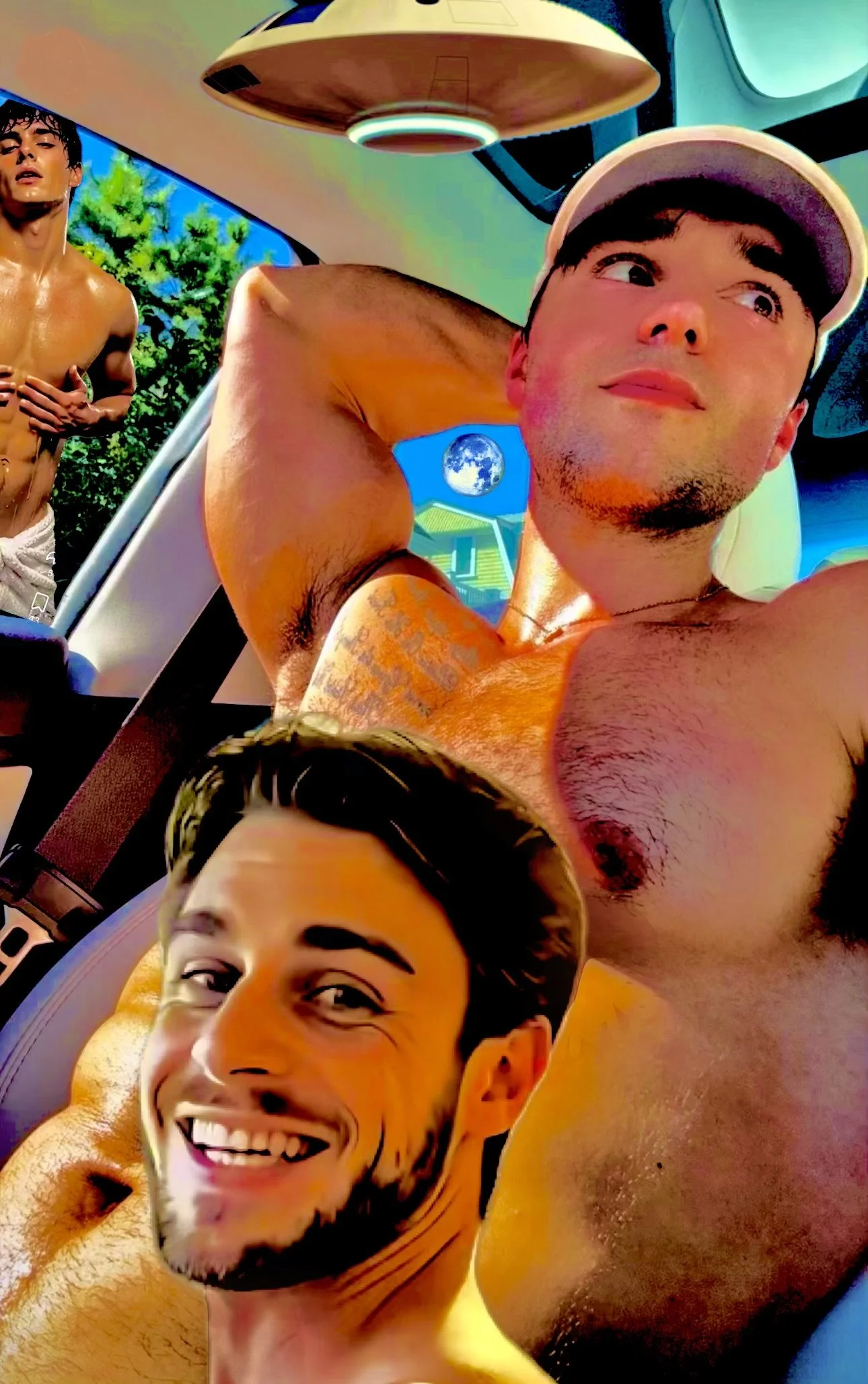
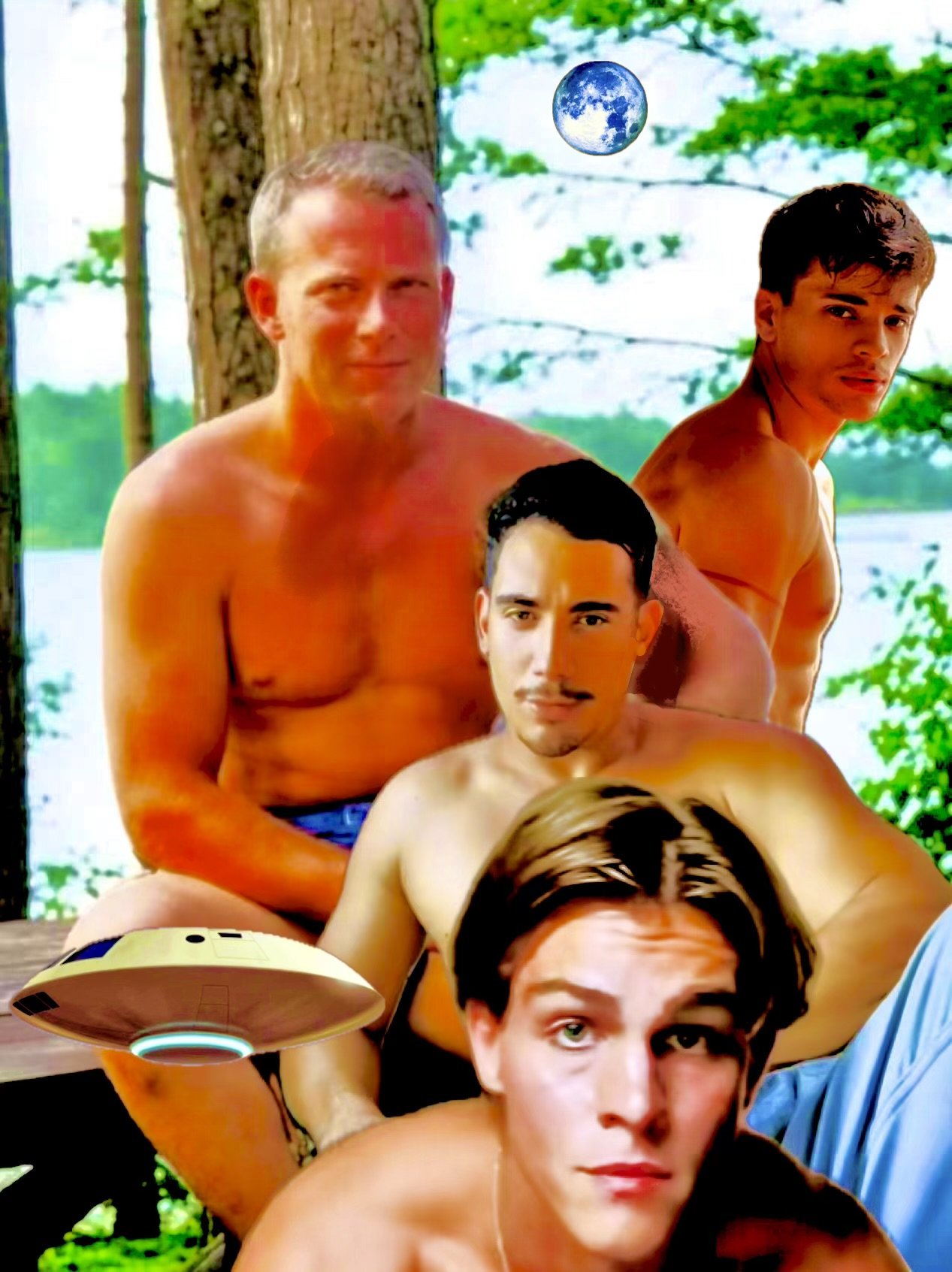
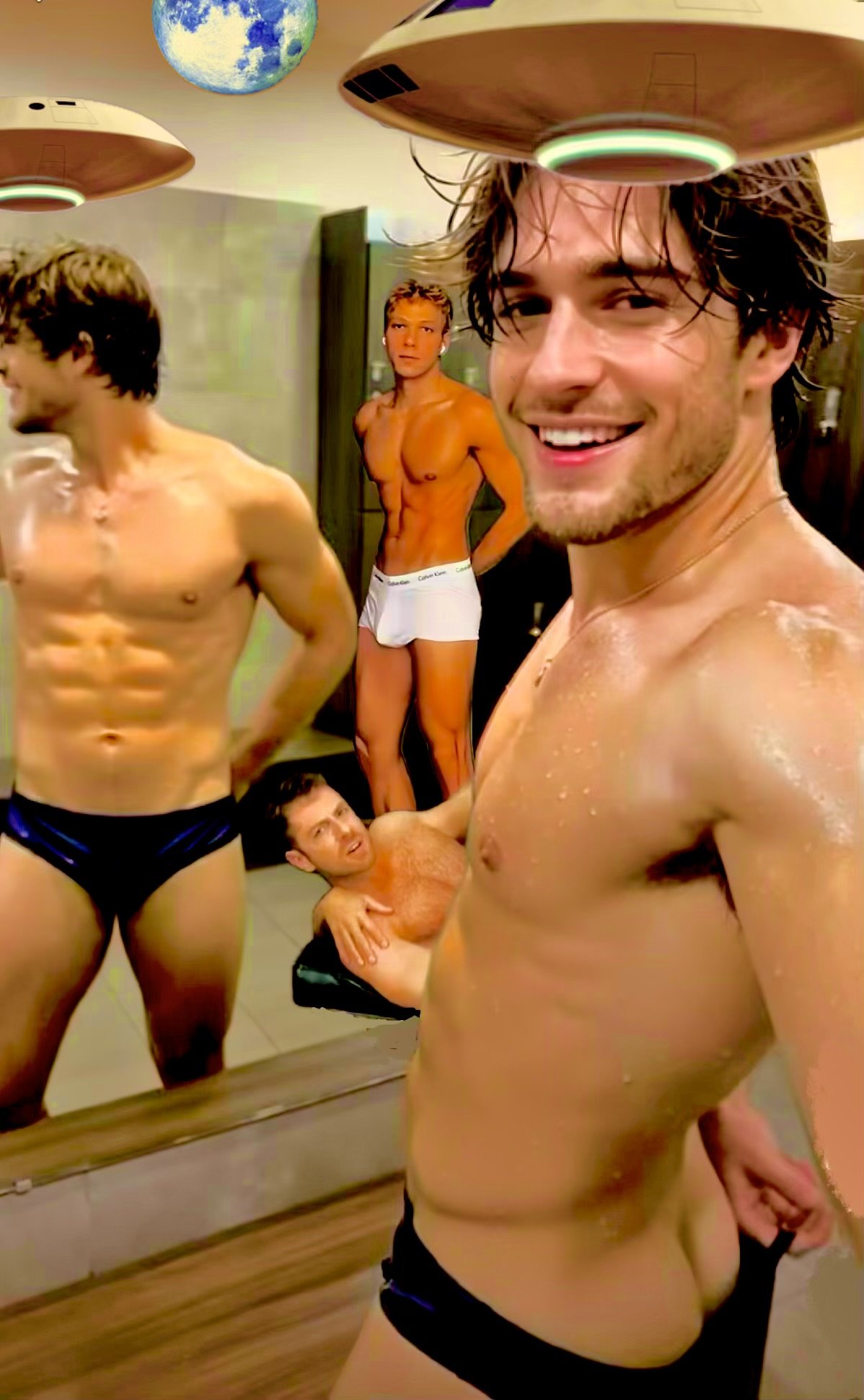
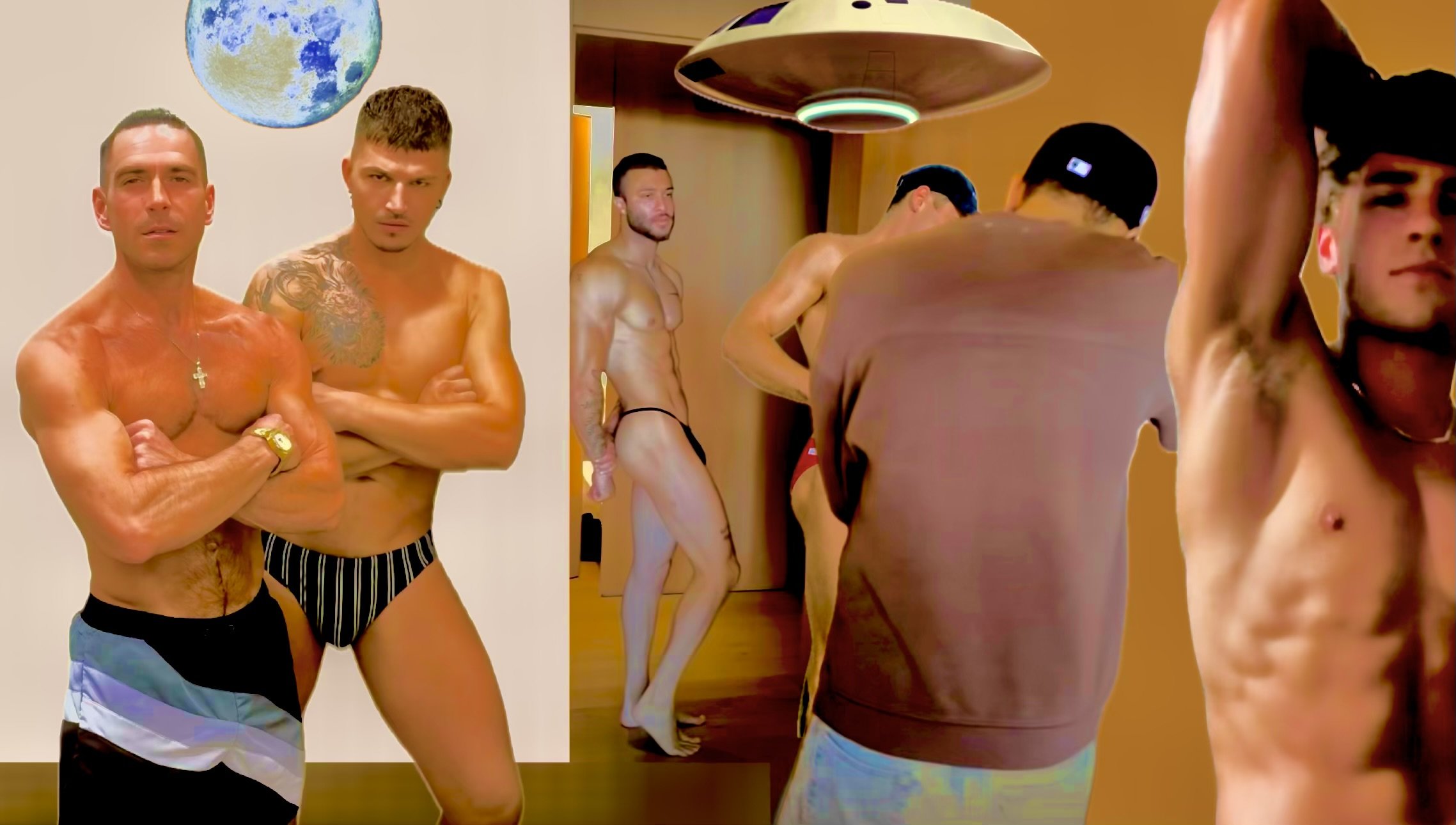
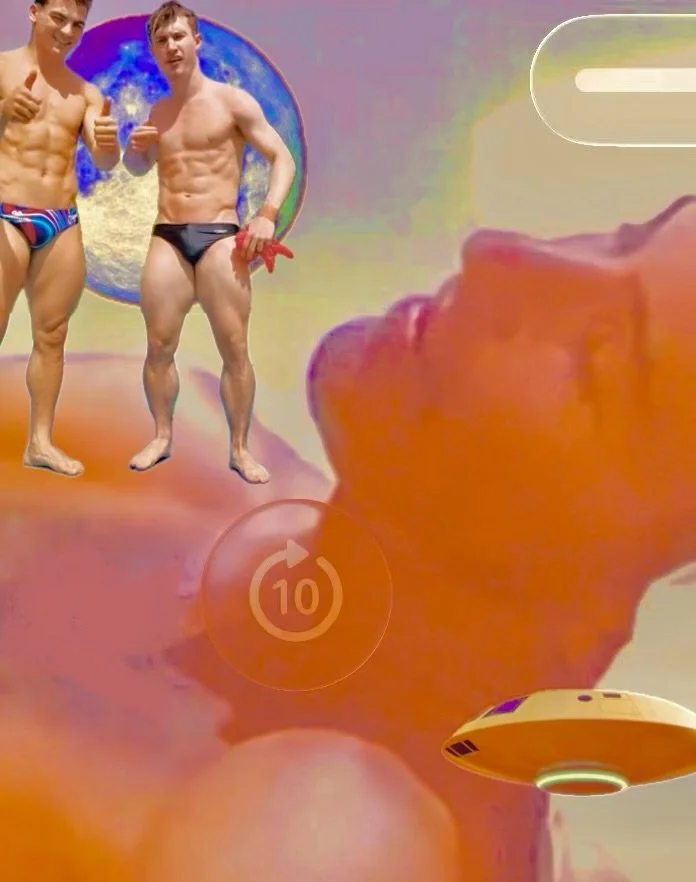
This body of work responds to that gap directly. It combines images of gay men with the settings of everyday American life — cars, backyards, bathrooms, decks by the water — to build the kind of ordinary visual presence that was rarely produced at the time.
What the numbers show
The absence was not incidental. It shows up clearly in the data.
On screen, representation stayed thin for decades. GLAAD’s 2024–25 “Where We Are on TV” report counted 489 LGBTQ characters across broadcast, cable, and streaming — and noted that number had dropped from the year before. In film, the picture is worse: GLAAD’s 2024 Studio Responsibility Index found that only 59 of 250 major studio releases contained an LGBTQ character at all.
Familiarity with gay people has changed more slowly than acceptance itself. Pew Research Center has tracked this for over a decade. In 1993, only 61 percent of Americans said they personally knew someone who was gay or lesbian. By the 2010s that number had climbed into the high 80s. That rise did not happen on its own — researchers link it directly to increased visibility, both in personal life and in media.
The gap is uneven across the community. A 2022 Trevor Project poll found that while roughly two-thirds of U.S. adults said they personally knew someone gay or lesbian, fewer than one in three knew someone transgender. Familiarity, and the acceptance that follows it, has not extended equally to every part of the community.
Knowing someone changes minds measurably. Gallup polling has found that Americans who personally know a gay or lesbian person are far more likely to support same-sex marriage than those who do not — in some surveys, a difference of more than 20 percentage points. GLAAD’s 2025 Accelerating Acceptance study reports the same pattern: when non-LGBTQ people see gay people represented in media, their comfort and familiarity increase measurably. The study also notes that most non-LGBTQ adults still do not personally know many members of the community, which leaves media as one of the main ways that familiarity gets built at all.
Why this matters for the work
The statistics point to a specific mechanism. Straight Americans who have never known a gay person, and who have rarely seen one in ordinary media, are working from a smaller and thinner set of information. Distance produces unfamiliarity, and unfamiliarity has measurable downstream effects on support, empathy, and basic recognition.
Placing gay men inside recognizable American scenes is a direct response to that mechanism. It is not decoration. It is an attempt to fill an archive that was left empty by omission, and to do it with images that show ordinary presence rather than spectacle.