Earthly Paradise and the Spring of Man
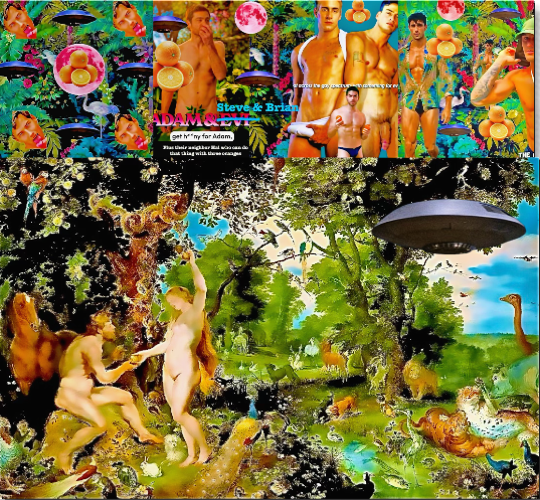
A Collaboration: Peter Paul Rubens, Jan Brueghel the Elder, and James Behan. 1615–2026.
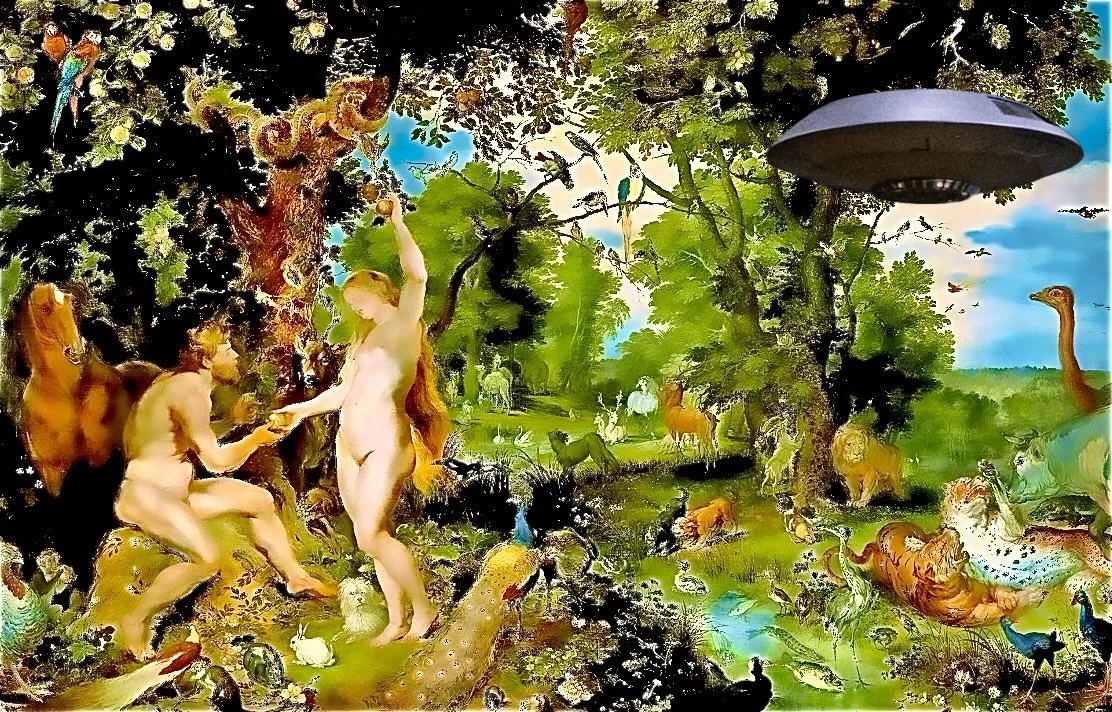
In 1615, Peter Paul Rubens and Jan Brueghel the Elder collaborated on a painting of the Garden of Eden — the moment before the fall, or perhaps during it, the fruit already in hand, the animals assembled in impossible abundance, the light falling on every creature with equal generosity. They painted paradise. That is what artists do. They go to paradise and they stay there.
The Church took the Garden of Eden and made it the architecture of shame — original sin, the fall, expulsion, damnation. Cover the body. Name the desire. Punish both. The painters looked at the same garden and saw something else entirely. They saw color. They saw abundance. They saw bodies that deserved to be painted, animals that deserved to be named, light that deserved to fall on everything without exception.
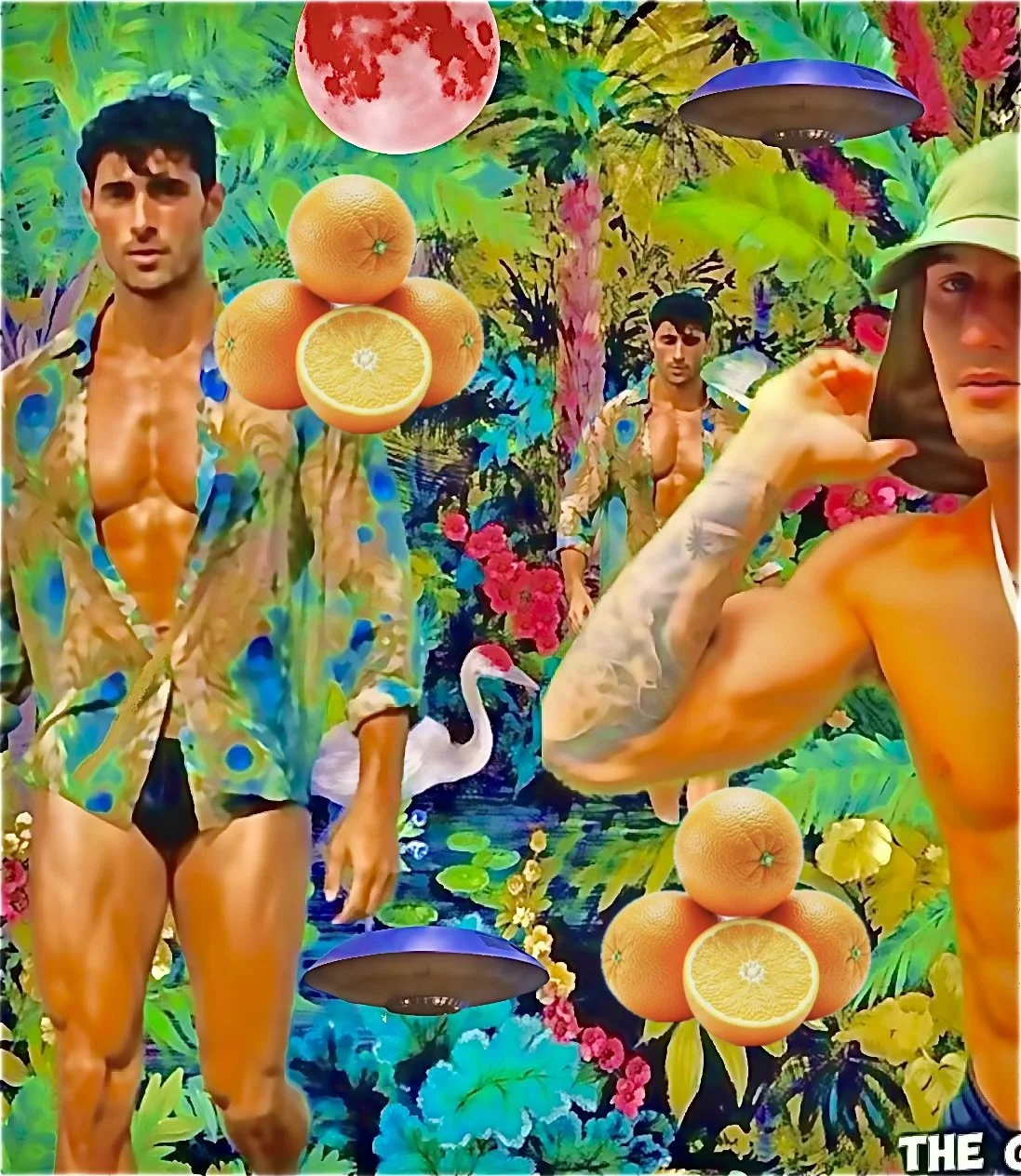
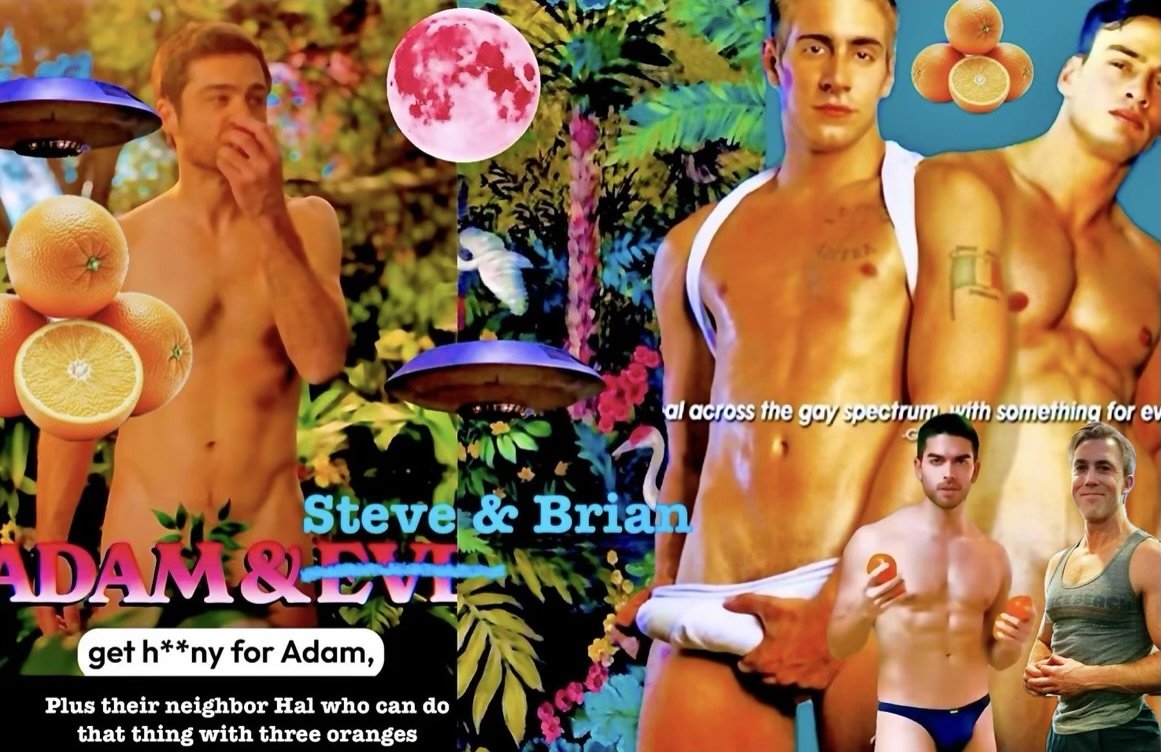
Four hundred and eleven years later, Jupiter 3 has landed in the garden. The pink moon is rising. The oranges — the new forbidden fruit, sweeter and more honest than any apple — are stacked in the foreground. Steve and Brian, not Eve, are here. So is their neighbor Hal, who can do that thing with three oranges. The flamingo stands where the peacock stood. The egret holds the place of the dove. The lush impossible tropical abundance of Brueghel’s botanical imagination has been translated into digital color pushed past its own limit — Mongo-bright, unrepentant, alive.
This is not a commentary on the Rubens and Brueghel. It is a continuation of it. The same paradise, the same unashamed bodies, the same insistence that this world is beautiful and the people in it belong here. The Church said the garden ended with the fall. The artists never left.
Four hundred and eleven years of uninterrupted paradise. Hallelujah.
— Behan